The air in Berlin during Pride is usually thick with a specific kind of electricity. It is the hum of liberation, the sound of thousands of people collectively deciding that their existence is not a negotiation. Last week, that hum didn't just fade. It snapped.
I remember standing on a similar street corner years ago, the scent of summer asphalt mixing with cheap glitter and the overwhelming, beautiful noise of a city in celebration. You feel invincible in those crowds. You feel seen. When violence tears through that, it doesn't just hurt the victims; it ruptures the collective sense of safety that keeps a metropolis breathing.
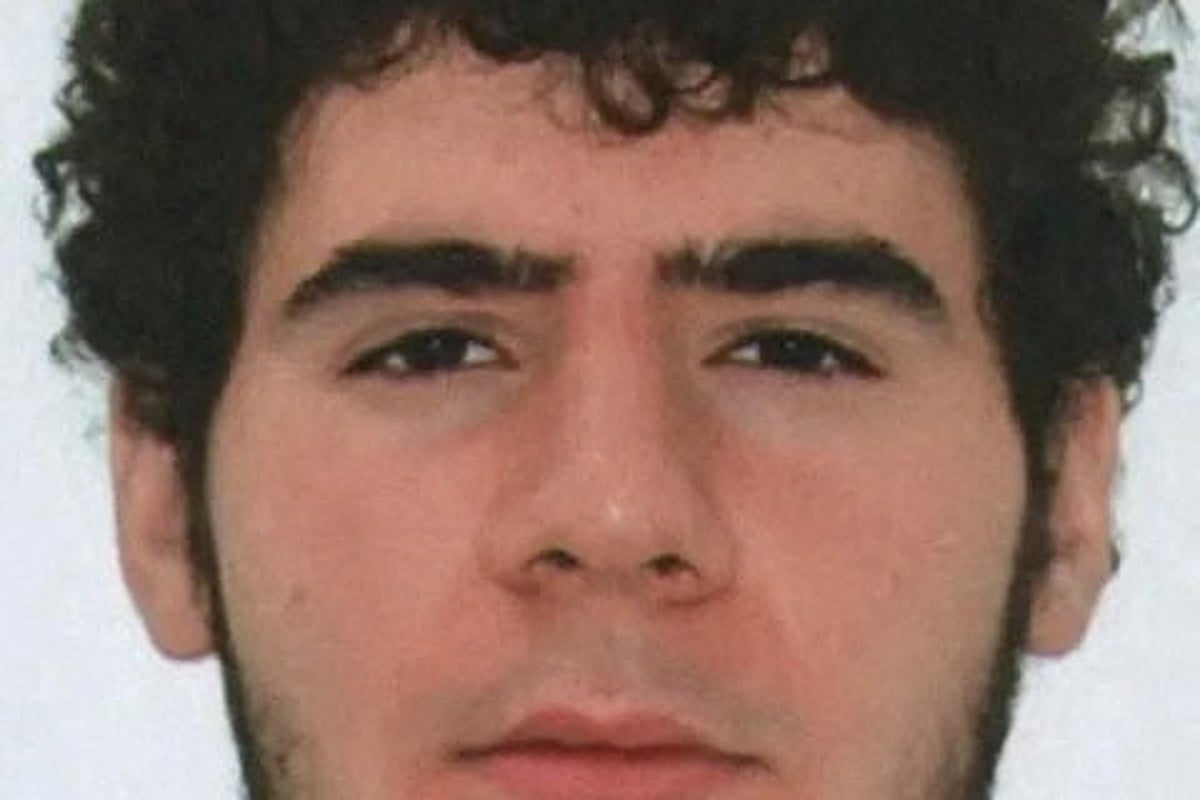
This time, the rupture came in the form of a 21-year-old named Abdul Ballout.
The official reports are sparse, cold, and stripped of the terror that actually unfolded. They tell us there was an attack. They tell us a manhunt ensued. They tell us police intercepted the suspect, and that bullets ended the life of the young man responsible. But the dry language of police blotters hides the chaotic, frantic scramble that defined those hours.
Imagine being a parade-goer. You are wearing sequins. You are holding a friend's hand. You are laughing at a drag performance or dancing to a beat that vibrates in your chest. Then, the screaming starts. It is not the scream of excitement; it is the high, jagged sound of pure, unadulterated fear.
The police investigation, now concluded by the finality of a fatal shooting, leaves behind a hollow space where answers should be. Why him? Why then? The vacuum of motive is often more terrifying than the crime itself. When we cannot find a reason, we start to manufacture our own. We look at the suspect’s age—just twenty-one—and we search for signs we might have missed in our neighbors, our classmates, the quiet person sitting on the U-Bahn.
We look for a monster, but we are often confronted with the banality of a life gone wrong.
Authorities identified Ballout as the perpetrator, ending a search that had effectively held the city’s nerves hostage. The manhunt, while technically a police success, was a grueling exercise in public anxiety. Every siren that wailed through the night felt like a fresh alarm. Every black-clad figure running toward a transit station made pulses jump.
This is the invisible cost of such violence. It is not just the physical injury, which is profound and life-altering. It is the way the city rearranges itself in the aftermath. People walk a little faster. They stop making eye contact. They measure the distance between themselves and the nearest exit. The freedom that Berliners prize above almost anything else is suddenly guarded, hesitant, and fragile.
History teaches us that societies are defined not by their moments of peace, but by how they handle the moments when that peace is shattered. When a tragedy like this strikes, we are pulled in two directions. One path leads toward division, toward using the name and the background of an attacker as a cudgel to strike at entire communities. The other path—the harder one—is to acknowledge the tragedy for what it is: a failure of protection and a deeply human catastrophe.
I have sat in rooms where people argue about security, surveillance, and the role of police, and I have learned that no amount of theory prepares you for the moment you realize you are not safe in the place you call home. The policy debates are necessary, but they are cold. They don't account for the way a teenager looks at a police officer with suspicion instead of trust. They don't measure the grief of a family who had no idea their child was walking toward a violent end.
The reality of this event is that a life was taken, and then another was extinguished by the state to stop it. That is a heavy ledger.
We often talk about the importance of being vigilant, but vigilance is exhausting. It wears down the soul. We want to believe that if we just hold our breath long enough, the world will return to the way it was before. But the world doesn't go back. It only goes forward, carrying the debris of what happened.
The street where the final confrontation took place is now quiet. The remnants of the celebration have been swept away. The police tape is gone. But for those who were there, the echo of the shots remains. It is a reminder that the walls we build around our lives are thinner than we dare to admit.
We look for lessons in the wreckage. We try to find patterns that explain the unexplainable. We want to know that if we label it correctly, if we categorize the danger, we can prevent it from touching us again. That is our most persistent, beautiful lie. The truth is, we move through a city of millions, each of us carrying our own stories, our own demons, and our own capacity for turning points that change everything.
There is no neat ending here. There is only the long, slow work of reclaiming a sense of belonging in a city that, for a few terrifying hours, felt like it belonged to no one at all. You walk down that same street tomorrow, and you will see the same faces. You will hear the same music. But you will look at the shadows differently.
The sun will rise over the Spree, and the city will continue to move, but the rhythm has changed. It is slower now. More deliberate. The quiet after the storm is not peace; it is the sound of a city remembering how to trust itself again.


