There is a quiet kind of heartbreak that comes from watching a lifetime of discipline dissolve into an auditor’s spreadsheet.
Imagine an elderly man in Kuala Lumpur—a hypothetical person, yet entirely real in his silhouette. Let us call him Pakcik Omar. For decades, every month, a small, stubborn fraction of Pakcik Omar’s modest salary vanished into Tabung Haji. It was not merely a savings account. It was a holy obligation. It was the physical manifestation of a spiritual dream: to stand shoulder-to-shoulder with millions of believers under the scorching sun of Mecca, performing the Hajj. To a man like Pakcik Omar, that ledger book was clean. It smelled of paper and honest sweat. It represented the purity of intent. If you liked this post, you might want to look at: this related article.
Then came the numbers that defied prayer.
Two hundred and eleven million dollars. For another angle on this event, see the latest update from TIME.
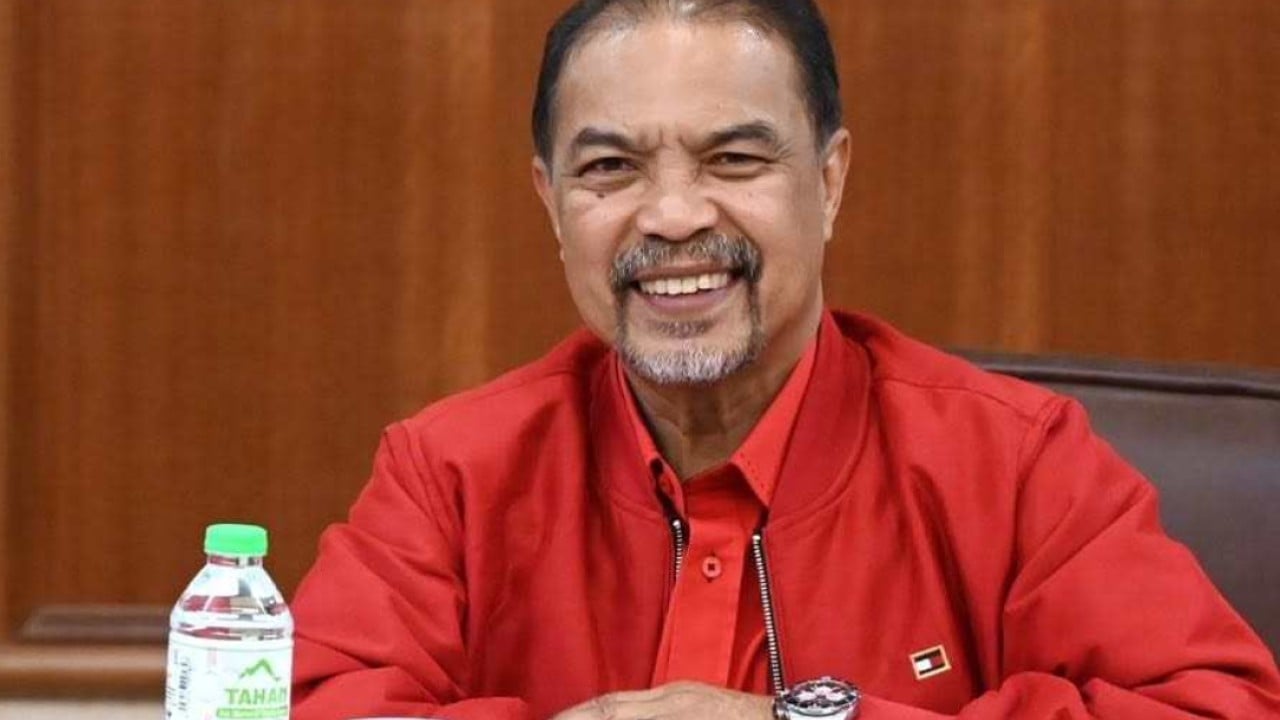
That is the staggering figure at the heart of a financial tempest that has rattled Malaysia’s sacred institutional foundations. It is a sum so large it numbs the mind, shifting from a currency value into an abstract monument of institutional betrayal. And standing at the center of the storm is a familiar face: a former religious minister whose name was once synonymous with moral stewardship, now forced into the harsh light of denial.
The Anatomy of a Sacred Trust
Tabung Haji is unlike any ordinary commercial bank. Established to manage the pilgrimage savings of Malaysia’s Muslim majority, it is an institution built on profound psychological and spiritual vulnerability. People do not deposit money here to play the stock market or chase high-yield dividends. They deposit their futures, their religious imperatives, and their dignity.
When an institution like this stumbles, the shockwave is not merely economic. It is existential.
The controversy revolves around a massive fund transfer—US$211 million—moving through corridors of power that ordinary depositors could never access, let alone audit. To understand why this matters, you must understand the weight of the ringgit in the hands of the faithful. When someone hands their savings to a religious fund, they are trading short-term comfort for eternal peace of mind. They are trusting that the gatekeepers are morally unassailable.
When those gatekeepers are summoned to explain where the money went, why it moved, and who authorized its voyage, the illusion shatters.
The Defense of the Accused
Enter the former minister.
In public statements and legal filings, the denial has been swift, absolute, and defensive. The narrative from the defense is simple: I was a policymaker, not a ledger clerk. I did not move the millions. I did not profit from the transaction.
It is a defense as old as politics itself. Power loves to inhabit a penthouse of plausible deniability. When things go right, leaders cut ribbons and accept the adulation of the pious. When things go wrong, the architecture of bureaucracy provides a hundred different doors through which responsibility can quietly slip away.
Yet, the public is no longer willing to accept the excuse of systemic blindness. If a shepherd claims he did not see the wolves entering the fold, the question naturally arises: what were you guarding?
Consider the mechanics of such a transfer. Money of this magnitude does not move by accident. It requires signatures, approvals, structural justifications, and a complex web of bureaucratic compliance. Even if the former minister’s hands never touched the wire transfer forms, the culture of oversight—or the deliberate absence of it—was shaped at the top.
The Ripple Effect on Ordinary Lives
Back in the neighborhoods of Selangor and Kelantan, the news plays softly on television screens in coffee shops where men sip teh tarik and shake their heads. They are not financial analysts. They do not understand the esoteric derivatives of international fund management. But they understand theft. They understand broken promises.
For a young couple saving for their parents' pilgrimage, the scandal introduces a corrosive element into their daily lives: doubt. Can we still trust the system? Will our hard-earned savings still be there when our turn comes?
This is the true cost of financial scandals in religious institutions. It does not just steal capital; it bankrupts faith. It forces ordinary people to become cynics in a space where they desperately want to remain believers.
The former minister may well survive the legal battles. Courts require evidence beyond public outrage, and legal standards of proof are notoriously difficult to satisfy when dealing with high-level state finance. Documents can be ambiguous. Intent can be masked behind legal jargon. Memorandums can be drafted to protect the signatories from personal liability.
The Unfinished Ledger
As the investigation grinds forward, revealing more layers of corporate restructuring and questionable asset transfers, the core tragedy remains unchanged.
The money was meant for the sands of Mecca. Instead, it became trapped in the murky currents of high finance and political maneuvering.
Pakcik Omar will likely still make his pilgrimage one day, scraping together the remainder through private sacrifice and family support. But the pristine vision he held in his youth—the belief that his religious community possessed a sanctuary untouchable by greed—has been permanently altered.
The investigation into the US$211 million transfer will eventually yield a verdict, closing one chapter of a modern Malaysian tragedy. But the deeper audit, the one measuring the loss of public trust, will take generations to settle. Some accounts, once overdrawn by betrayal, can never be balanced again.