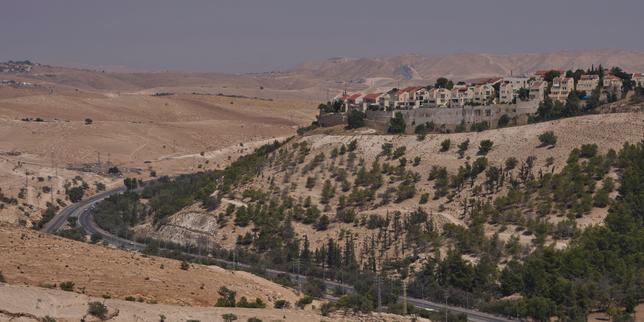
Britain just targeted the corporate engine driving settlement expansion in the West Bank. It isn't another symbolic statement against individual extremist violence. This time, London hit the construction firms, suppliers, and infrastructure developers making physical build-out possible.
Israel immediately threatened retaliatory steps. That reaction tells you everything about how much this hurts. For years, western governments issued press releases expressing deep concern over home demolitions and expanding outposts. Words costs nothing. Sanctions freezing corporate bank accounts and cutting access to international capital markets actually change the math.
This shift isn't happening in a vacuum. It signals a major pivot in how European and Allied nations handle economic activity beyond the 1967 green line. If you've been following diplomatic statements without tracking financial flows, you missed the real story.
Cutting the Financial Supply Line
Diplomatic sanctions usually pick off high-profile individuals. They ban travel for violent settlers or block personal assets. Those measures generate big headlines, but they rarely alter daily reality on the ground. Real estate developers keep building. Banks keep processing loans. Heavy equipment suppliers keep delivering excavators.
Targeting commercial entities disrupts the entire supply chain. When a construction contractor loses access to UK banking services or international vendor contracts, every active job site feels the pinch. Local subcontractors face payment delays. Insurance firms reconsider risk profiles. Legal compliance teams at European partners pull the emergency brake.
That's why Israeli officials reacted so aggressively to the news. A travel ban on a fringe activist creates political noise. Financial blockades against commercial infrastructure firms create systemic friction.
Why Retaliation Threats Reveal Deep Anxiety
When Israeli leaders threaten retaliatory measures against the UK, they're playing a high-stakes diplomatic hand. Jerusalem relies on strong bilateral ties with London for security intelligence, trade, and diplomatic coverage in multilateral forums. Threatening backlash shows how dangerous this precedent feels from inside cabinet chambers.
If the UK model succeeds without breaking international diplomatic channels, other European nations will follow. Countries like Sweden, Ireland, and Spain have pushed for stricter commercial boundaries for years. A major power like Britain taking concrete legal action gives smaller states political cover to launch their own corporate bans.
The fear in Jerusalem isn't just about British business. It's about systemic contagion across the European Union, which remains Israel's largest trading partner.
How Corporate Sanctions Shift Compliance Risk
Corporate compliance departments in London, Frankfurt, and New York operate on paranoia. The moment a sovereign government lists specific firms for settlement involvement, global risk algorithms flag every adjacent business connection.
- Primary targets: Construction firms, earth-moving equipment distributors, and raw materials providers operating in West Bank industrial zones.
- Secondary exposure: Logistics companies, specialized engineering consultants, and commercial real estate brokers operating across borders.
- Financial institutions: European banks clearing foreign currency transfers for target enterprises face immediate legal liability.
This creates a chilling effect far wider than the initial sanction list. A international firm doesn't wait to get caught in a regulatory net; it cancels contracts pre-emptively to safeguard its compliance posture.
Understanding the Legal Mechanism Behind the Bans
London didn't pull these measures out of thin air. They used specialized economic sanctions frameworks designed to target entities contributing to destabilization or human rights violations. By framing settlement construction as an illegal impediment to regional stability, legal teams anchored the restrictions in established statutory authority.
This makes legal challenges inside British courts exceptionally tough. Targeted firms can't simply claim political bias; they must prove they don't engage in the specific physical or financial activities detailed in the government's order. That's a high bar when public land registries, satellite mapping, and corporate filings explicitly connect them to West Bank project developments.
What Businesses operating in the Region Must Do Right Now
If your business maintains supply chains or commercial partnerships touching regional infrastructure, sitting on the sidelines is no longer an option.
First, map every vendor, logistics provider, and subcontractor linked to your operations in the territory. Look past top-tier names and audit ownership structures to identify subsidiary entities tied to designated construction projects.
Second, review your bank clearing protocols. Financial institutions won't hold your hand when a wire transfer triggers an international sanction flag. Clear your transaction pathways with legal counsel before funds get frozen mid-transit.
Third, update your international compliance policies to account for rapid regulatory shifts in Western capitals. What was legal and standard practice six months ago can become an illegal transaction overnight.