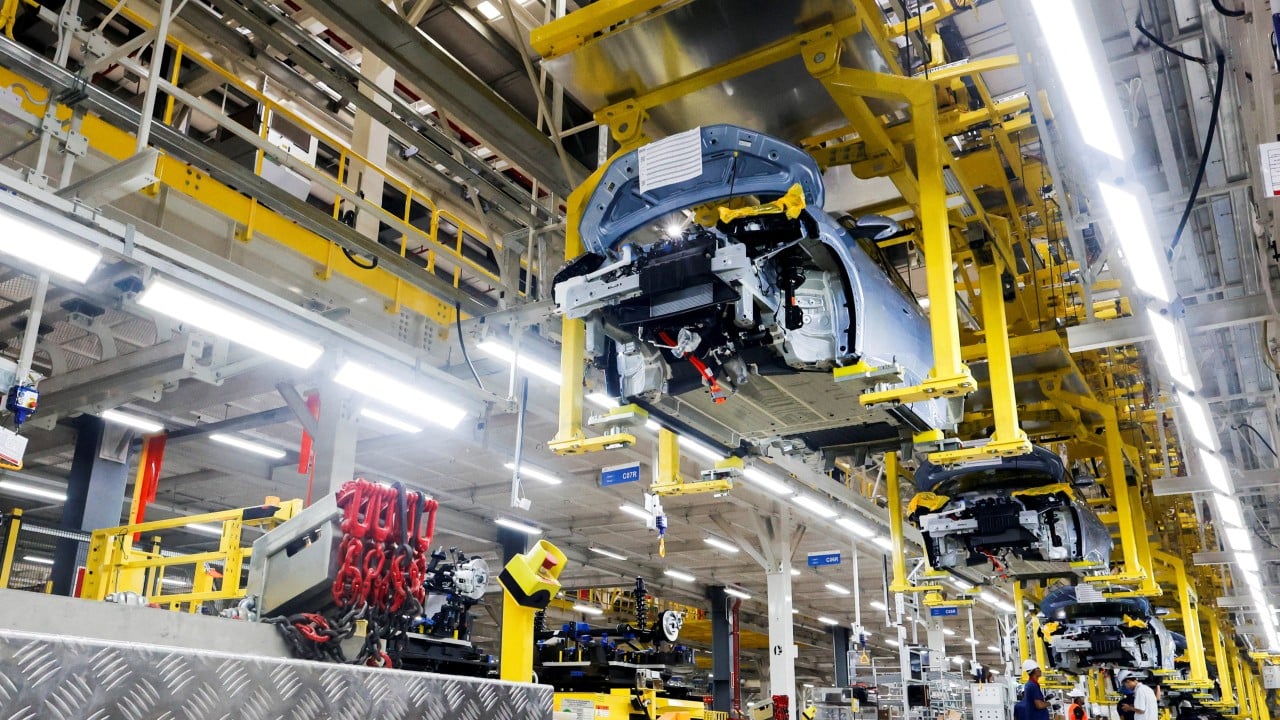
Brazil just sent a massive shockwave through the global auto industry. On April 7, 2026, the Ministry of Labor added Chinese electric vehicle giant BYD to its infamous "dirty list" of employers linked to slave-like labor. Then, in a move that feels like a political thriller, the head of the very division responsible for that list was suddenly shown the door.
It's a messy situation. You've got the world’s biggest EV maker, a multi-billion dollar investment in Bahia, and 163 rescued workers at the center of a human trafficking scandal. If you think this is just about paperwork or minor labor disputes, you're missing the bigger picture. This is a collision between Brazil’s strict human rights laws and its desperate need for Chinese investment.
The Camaçari Scandal and the Dirty List
The "dirty list" (Lista Suja) isn't just a slap on the wrist. It’s a financial death sentence for many. Being on it means you're barred from getting loans from state banks and face massive reputational damage. BYD landed there because of what happened at its factory site in Camaçari.
Inspectors didn't just find a few missed breaks. They found 163 Chinese nationals living in conditions that look like something out of a Victorian-era nightmare. Think 31 people sharing a single bathroom. No mattresses. Workers waking up at 4 a.m. to prep for 10-hour shifts with no days off. Basically, the company was treating its workforce like disposable hardware rather than human beings.
The task force found that BYD essentially bypassed immigration laws to bring these workers in. They were promised one thing and given another—classic indicators of forced labor and trafficking. Even though BYD previously signed a R$40 million settlement to compensate victims, the Ministry of Labor still pulled the trigger on the blacklisting.
Why Maurício Krepsky Was Really Fired
The timing of Maurício Krepsky’s removal is what’s raising eyebrows from Brasília to Beijing. As the head of the Labor Inspection Division, he was the guy overseeing the list. Sacking him days after the BYD blacklisting looks like a calculated political move to smooth things over with China.
The Lula administration has been walking a tightrope. They want to be the global champions of labor rights, but they also desperately need BYD’s BRL 5.5 billion investment to revive Brazil's industrial sector. By firing the watchdog chief, the government is signaling that while they'll let the "dirty list" do its thing, they’re also willing to clean house if things get too spicy for their biggest foreign investors.
The Court Steps In
In a twist that happened almost immediately after the blacklisting, the Regional Labor Court of the 10th Region issued an injunction to remove BYD from the list. The court’s logic? It’s complicated, but it often boils down to procedural technicalities or the fact that BYD had already agreed to a financial settlement.
But here’s what you need to know: the "dirty list" is updated every six months. Even if a court pulls a name off temporarily, the evidence of those 163 rescued workers doesn't just vanish. For BYD, the damage is already done. They're no longer just the "green" car company; they’re the company that had a slave labor scandal in the middle of their flagship Brazilian project.
How This Impacts Your Wallet
If you're looking at buying a Dolphin or a Seal, you might wonder if this matters. It does.
- Financing Hurdles: If BYD can't access Brazilian state credit, their expansion costs go up. That usually gets passed to the consumer.
- Resale Value: People are getting more conscious about ESG (Environmental, Social, and Governance) scores. A brand tied to labor scandals can see a dip in long-term brand equity.
- Supply Chain Delays: The Camaçari plant was supposed to be a hub for all of South America. Political and legal infighting like this can slow down production.
Honestly, the whole thing is a wake-up call for how "fast" manufacturing often ignores the "human" cost. You can't build a sustainable future on the backs of people who aren't allowed to leave their dorms to buy groceries.
What Happens Next
Don't expect this to go away quietly. The Labor Ministry is likely to appeal the court's decision to remove BYD from the list. Meanwhile, the replacement for Krepsky will be under a microscope. Will the new chief be a toothless bureaucrat, or will they continue the aggressive inspections that Brazil is famous for?
If you're following the EV market, watch the BRL 40 million settlement implementation closely. That money is supposed to go to the workers, but the oversight of those funds is often where things get "lost."
Keep an eye on the official Ministry of Labor and Employment updates. They usually drop the full list twice a year. If BYD reappears in the next cycle, the political fallout will be even worse. For now, the best move is to watch how BYD handles its "social" responsibility in Bahia. If they don't fix the culture at the construction level, they'll never truly own the Brazilian market.