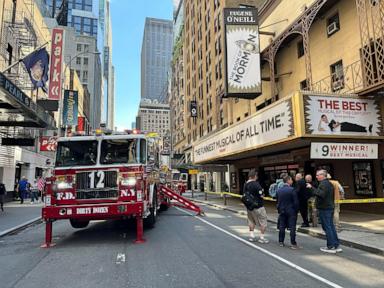
The lights went out on Broadway's Eugene O’Neill Theatre and it wasn't for a dramatic effect. An electrical fire just forced 'The Book of Mormon' to cancel performances, leaving thousands of ticket holders standing on 49th Street with nothing but a refund notification. If you think this is just a fluke accident, you're missing the bigger picture of how fragile New York's historic theater district actually is.
Most people don't realize that the O’Neill was built in 1925. We're talking about a structure that's over a century old. When you cram modern high-intensity LED rigs, complex sound boards, and massive hydraulic stage pieces into a building designed before the invention of the microwave, things get sketchy. This fire wasn't just a localized mishap. It's a symptom of the constant tension between 21st-century production demands and Jazz Age infrastructure.
What actually happened at the Eugene O'Neill Theatre
The fire broke out in the theater's electrical system, specifically involving the basement area where the heavy-duty power feeds enter the building. While the FDNY arrived quickly and managed to contain the blaze without any injuries, the damage to the electrical panels was extensive enough to compromise the entire building's safety. You can't just flip a breaker and keep going when smoke is pouring out of the mains.
Management had no choice but to shut down. Safety protocols on Broadway are incredibly strict, and for good reason. A fire in a packed house of 1,100 people is a nightmare scenario. The show's producers released a statement confirming the closure, citing the need for immediate repairs and inspections by both Con Edison and the city's building department.
The reality of these old houses is that they're basically tinderboxes. The wood is dry. The spaces are tight. Every time a show like 'The Book of Mormon'—which has been running since 2011—stays in a theater for over a decade, the wear and tear on the electrical load becomes a silent threat. Cables get brittle. Connections loosen. It's a constant battle for stagehands and house engineers to keep the lights on without blowing a fuse.
The true cost of a Broadway dark night
When a show like 'The Book of Mormon' cancels a performance, the financial ripples are massive. We aren't just talking about ticket refunds. You've got the cast, the orchestra, the stagehands, and the front-of-house staff who all lose out on work. Most Broadway contracts have "force majeure" or "act of God" clauses, but the immediate loss of revenue for a show that brings in over a million dollars a week is a gut punch to the production's bottom line.
Think about the local economy around the theater too. The restaurants on Restaurant Row, the bars next door, and the merchandise vendors all feel the hit. A dark theater means thousands of people aren't walking past those storefronts. For many tourists, a trip to see Elder Price and Elder Cunningham is the centerpiece of their New York vacation. When that gets snatched away by a transformer fire, the disappointment is palpable.
I've seen this happen before with other long-running shows. The longer a show stays in one spot, the more the equipment settles. Moving things around for maintenance becomes a logistical nightmare because the set is literally bolted into the floor. This fire serves as a brutal reminder that even the biggest hits on Broadway are at the mercy of the grid.
Managing the chaos of canceled tickets
If you were one of the people standing outside the O’Neill when the news broke, you probably felt a mix of confusion and rage. Broadway ticketing is a mess on a good day. When a fire happens, the system goes into overdrive. Here’s how the industry handles these disasters.
- Automatic Refunds: If you bought through SeatGeek (the official primary seller for the O'Neill), the money usually goes back to your card within 7 to 10 days.
- The Third-Party Trap: If you used a reseller or a "sketchy" site, you’re in for a headache. You have to chase them down personally.
- The Lottery Letdown: Digital lottery winners are usually just out of luck. You get your small payment back, but you don't get a "raincheck" for another show.
The advice I give anyone in this spot is simple. Don't wait for the email. Check the official social media channels for the show immediately. They usually post updates about when the theater will reopen faster than the automated ticketing systems can process the data.
The aging infrastructure problem nobody wants to fix
Broadway brings in billions of dollars for New York City, yet the buildings themselves are often held together by tradition and a lot of duct tape. The Shubert and Jujamcyn organizations—who own most of these houses—spend millions on renovations, but you can't easily rewire a 1920s landmarked building without hitting massive regulatory hurdles.
It's a "if it ain't broke, don't fix it" mentality that works until it literally catches fire. We've seen similar issues at other theaters where water damage from aging pipes or crumbling plaster has forced temporary closures. The O'Neill fire is just the latest entry in a long list of infrastructure failures that the industry prefers to keep behind the curtain.
I've talked to technicians who work these shows. They tell stories of "legacy" wiring that hasn't been touched in forty years. They're professionals who do incredible work, but they're fighting a losing game against time. As stage technology gets more sophisticated—requiring more power, more cooling, and more data—the gap between the show’s needs and the building’s capacity grows wider.
What you should do if your show gets canceled
Stop standing around the stage door hoping for a miracle. Once the FDNY clears a building and the power is cut, nobody is going back inside that night. Your first move should be to find a nearby box office for a different show. Sometimes, other theaters will offer "distressed inventory" discounts to people who hold tickets for a canceled performance elsewhere, though it's not a formal rule.
If you’re a tourist and this was your only night in town, call your credit card company if the refund doesn't show up. Some premium cards have "event cancellation" insurance built-in that might cover your travel costs if the show was the primary reason for your trip. It's a long shot, but better than nothing.
Check the 'Book of Mormon' website for the exact schedule of reopening. They won't stay dark a second longer than they have to. Broadway is built on the "show must go on" mantra, but even that has limits when the electricity starts acting like a special effect.
The fire at the Eugene O'Neill isn't just a news blip. It's a warning that the most famous street in the world is running on borrowed time and old copper wires. Keep your tickets digital, keep your plans flexible, and always have a backup plan for dinner when the marquee goes dark.