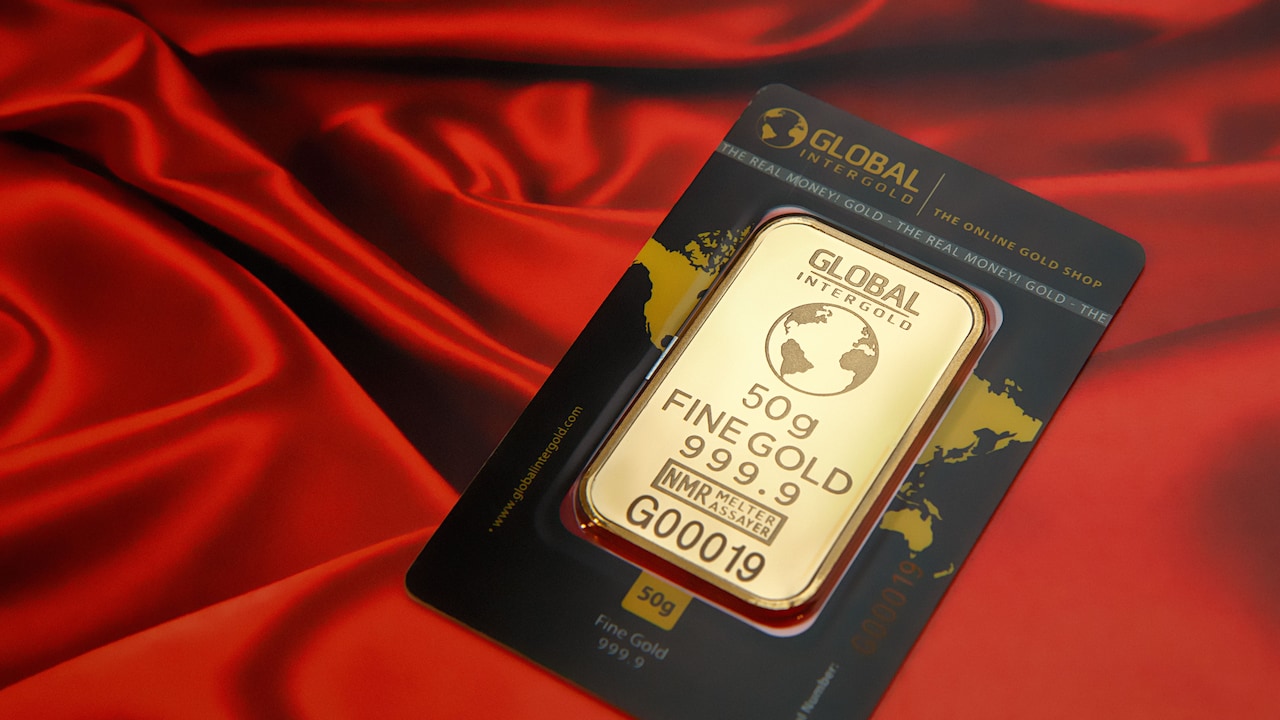
Every time a sensational headline hits the wire about a toddler swallowing an absurd object—this time, a 50-gram gold bar—the internet collectively gasps, points frantic fingers at parental negligence, and demands stricter safety guidelines for household valuables.
It is a lazy, predictable script.
The lazy consensus says this is a parenting failure. A failure of supervision. A failure of basic household management. But anyone who has spent ten minutes managing real-world human behavior knows that total prevention of erratic toddler physics is a statistical impossibility. Treating a bizarre pediatric ingestion case as a moral failing or a unique regulatory crisis ignores the actual mechanics of childhood curiosity and the bizarre chemistry of heavy metals.
Let us look at what actually happens when a dense, inert noble metal enters the human digestive tract, and why our cultural obsession with assigning blame prevents us from understanding actual risk assessment.
The Chemistry of Panic Versus Reality
When the news broke about the five-year-old child swallowing a miniature gold bullion bar, the public imagination immediately raced to heavy metal poisoning. People pictured nineteenth-century industrial accidents, mercury poisoning, or lead-addled water supplies.
The medical reality is far less cinematic and much more mundane. Gold is famously inert. It does not react with stomach acid. It does not dissolve, leach toxins, or bond with organic tissue under normal physiological conditions. If a child swallows a piece of plastic toy or a lithium coin battery, you have an immediate medical emergency due to chemical burns and toxicity. If a child swallows a chunk of pure gold, the primary danger is mechanical obstruction, not chemical toxicity.
Yet, the panic surrounding the event treats gold like a toxic waste spill. Pediatric gastroenterologists see foreign bodies on an hourly basis. Coins, magnets, buttons, small plastic parts, and batteries pass through or get removed from young digestive tracts daily. The inclusion of precious metal in this list merely triggers a psychological quirk: we ascribe higher value to gold, so we automatically ascribe a higher level of catastrophic danger to its ingestion.
The Myth of the Controlled Environment
The standard cultural reaction assumes that homes containing valuable or dangerous items can be locked down into airtight fortresses of safety. This is a fantasy peddled by people who have never raised a child or managed a household under real stress.
Children are chaos engines equipped with opposable thumbs and an infinite drive to test material boundaries. They do not respect asset classes. To a five-year-old, a commemorative gold coin, a chocolate foil wrapper, and a smooth river stone possess identical ontological status. They are things to test, mouth, and occasionally swallow.
I have watched otherwise meticulous professionals leave financial instruments, high-end electronics, and collectible trinkets within arm's reach because human working memory has strict limits. Expecting zero error in a domestic environment is like expecting a zero-accident rate on a highway filled with distracted drivers. You do not fix systemic accidents by yelling at drivers to pay attention. You fix them by understanding failure rates and designing resilient systems.
Instead of screaming about supervision, we should be analyzing the absurd proliferation of fractional precious metals marketed as novelty items. When bullion is minted down into pocket-sized, candy-bar-shaped units that easily fit into an infant's mouth, manufacturers are participating in a design trend that strips away traditional security measures. If you shrink a high-density asset down to the size of a Tic-Tac, you have effectively created a high-value hazard.
Rethinking Domestic Risk Architecture
We need to stop treating domestic safety as a moral badge and start treating it as an engineering problem.
First, secure storage must be decoupled from visibility. Keeping valuables in a decorative dish or a shallow desk drawer is an invitation to catastrophe. If an asset has high density and small dimensions, it belongs in a heavy-duty container or a dedicated safe, treated with the same operational security as prescription medications or firearms.
Second, medical triage needs to rely on composition, not panic. The moment an ingestion is confirmed, the first question should not be "How could you let this happen?" but rather "What is the material composition?" Knowing the difference between reactive elements like zinc or lithium and unreactive elements like gold or glass dictates whether you rush to an emergency room for a corrosive burn or wait for natural passage under observation.
We do our families no favors by pretending that perfect vigilance is an achievable standard. It is not. The moment we accept that accidents happen through normal human friction, we can stop wasting energy on moral outrage and focus on physical reality.
Gold belongs in a vault, not a digestive tract. But until we stop treating every parenting mishap as a cultural indictment, we will keep missing the actual mechanics of safety.