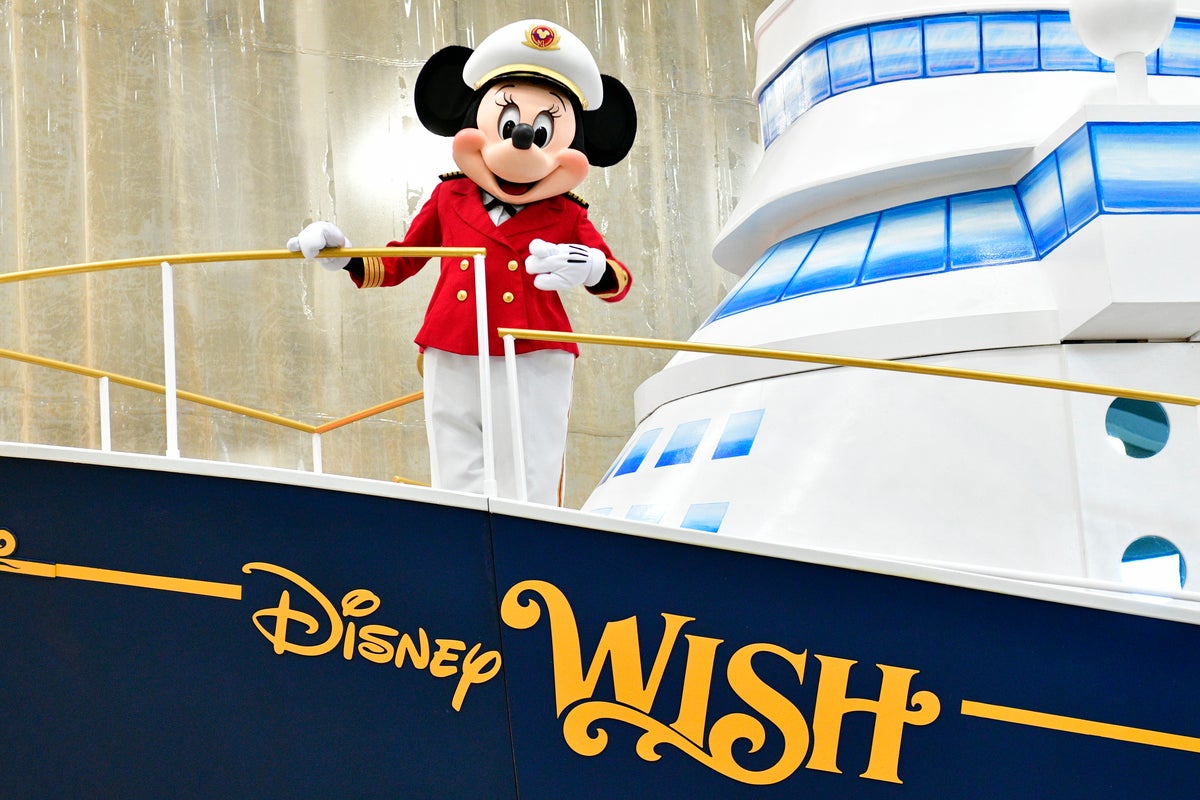
You step into a massive shipboard theater, expecting Broadway flair and family magic, only to walk away with severe injuries and a federal lawsuit. That is the reality of a recent legal battle hitting Disney Cruise Line. A passenger named Cynthia Manning filed a civil complaint in Orlando federal court after taking a nasty tumble down a flight of stairs aboard the Disney Wish. Her claim? Production crew members shined excessively bright stage lights directly into the crowd while guests were still finding their seats, temporarily blinding her and causing a dangerous fall.
It sounds wild at first glance. Can you really sue a cruise line because stage lights bothered your eyes? But when you look past the initial absurdity, this case exposes real architectural and operational vulnerabilities plaguing modern cruise ship entertainment venues. Let's break down what actually happened, why lawyers are targeting ship design, and what this means for travelers heading out to sea.
The Anatomy of a Cruise Ship Theater Fall
The incident took place during a four-night Thanksgiving voyage. Manning was navigating the steps inside the 1,274-capacity Walt Disney Theater to reach her seat for an evening show. According to court documents, entertainment crew members pointed high-intensity fixtures straight into the audience seating areas to pump up the energy before curtain time.
Instead of building hype, the glare created a wall of light. Manning argues she was completely disoriented and unable to see the stairs ahead of her.
To make matters worse, the lawsuit points the finger at the physical staircase itself. The complaint criticizes the venue's design, citing alternating step depths, poor ambient lighting, and missing handrails. When you combine harsh lighting aimed right at human eyes with less-than-ideal stair geometry, you get a recipe for disaster.
Examining the Legal Strategy Against Disney
Personal injury lawsuits against major cruise operators like Disney are notoriously tough to win. Companies of this scale have battalions of lawyers ready to argue that passengers bear personal responsibility for watching their step. So why did Manning's legal team focus so heavily on the lighting crew's actions?
Maritime law requires cruise lines to maintain a reasonably safe environment for passengers. If staff members actively create a hazard—such as blinding incoming audience members with professional-grade lighting rigs while people are trying to navigate dark, tiered walkways—the liability shifts.
The lawsuit doesn't just blame the lights. It attacks the very engineering of the Disney Wish, which launched in 2022. The legal filing notes that similar accidents have happened on sister vessels, meaning corporate leadership allegedly knew or should have known that these theater configurations posed a risk. By framing the issue as negligent design and poor operational protocol rather than simple clumsiness, the plaintiff's lawyers are trying to bypass standard contributory negligence defenses.
What Cruise Passengers Need to Know About Safety at Sea
Incidents like this highlight a broader issue across the cruise industry. Ships are floating entertainment complexes trying to squeeze theatrical spectacle into spaces constrained by naval architecture. Lighting directors want high-impact visuals, and ship designers want maximum seating capacity. Passenger safety occasionally gets lost in the middle.
If you are boarding a mega-ship anytime soon, keep these practical safety habits in mind to protect yourself in unfamiliar entertainment venues:
- Pause at the entrance until your eyes adjust if you walk from a dim hallway into a brightly lit room, or vice versa.
- Never try to navigate theater steps while staring up at the stage or looking away from your feet.
- Always use the physical handrails provided along the aisles, even if you think your balance is fine.
- Report any dangerously dark walkways or aggressive lighting angles to guest services immediately so there is a paper trail if an accident happens.
Cruising is meant to be an escape from everyday stress, but accidents can derail a vacation in seconds. Whether this lawsuit results in a massive payout or gets tossed out by a judge, it serves as a wake-up call for cruise lines to balance theatrical flair with basic human visibility. Take your time entering shipboard venues, watch the floor, and don't assume every pathway is engineered with your safety as the absolute top priority.