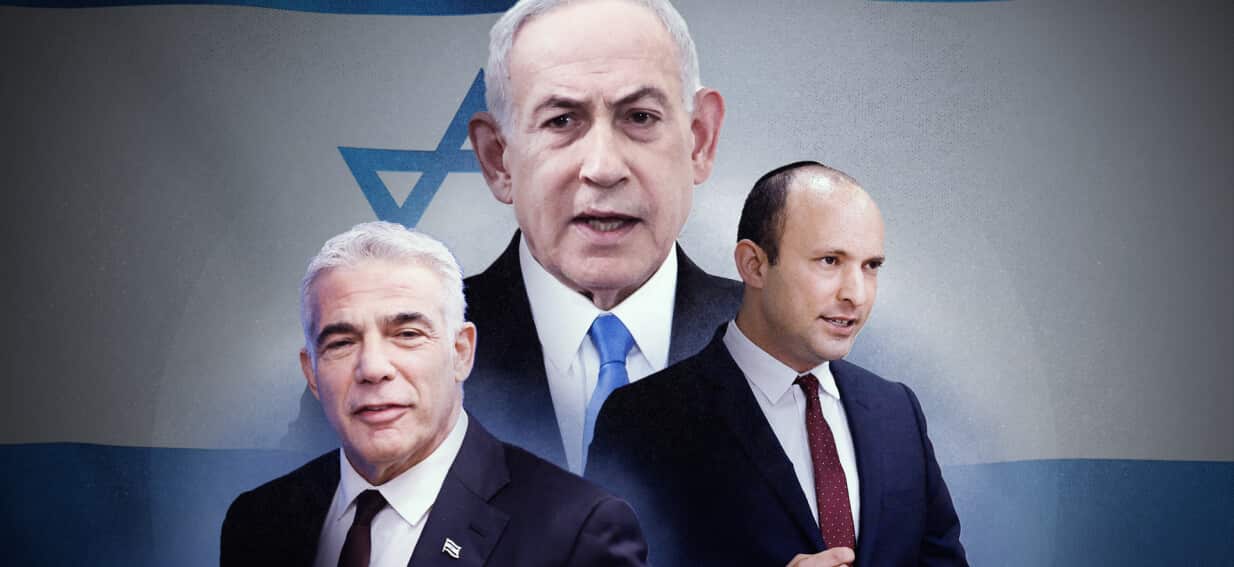
Benjamin Netanyahu has spent 17 years proving everyone wrong. He's the political escape artist who survives every scandal, every protest, and every rival. But as we head toward the October 2026 elections, the air in Israel feels different. It's not just the usual political bickering. It's a fundamental shift in the ground beneath his feet. If you've been watching Israeli politics, you know the "Bibi" brand is built on being the only man who can keep the country safe. After the trauma of October 7 and the grueling wars that followed, that argument is harder to sell.
The announcement on April 26, 2026, changed the math entirely. Naftali Bennett and Yair Lapid—two men who’ve both sat in the Prime Minister’s chair and both been burned by Netanyahu—decided to stop splitting the "anyone but Bibi" vote. They formed a new party called Together (BeYachad). This isn't just another small faction joining the fray. It's a direct, unified challenge to the Likud hegemony.
The Bennett and Lapid gamble
For years, Netanyahu’s strategy was simple: divide and conquer. He’d pit the secular center against the religious right, and the hawks against the doves. By merging their parties, Bennett and Lapid are trying to break that spell.
Bennett brings the "hawkish" credibility. He's a former commando and a tech millionaire who doesn't shy away from military force. He appeals to the right-wing voters who are tired of Netanyahu but aren't ready to go "soft." On the other side, Lapid represents the secular middle class—the people who pay the taxes and serve in the reserves but feel like the government has sold them out to ultra-Orthodox interests.
The polls are already showing the impact. Before the merger, Bennett was nipping at Netanyahu’s heels with about 21 seats to Likud's 25. Together, they’re projected to lead a bloc that could finally reach that magic 61-seat majority in the Knesset. But it’s not just about the numbers; it’s about the message. They’re promising a state commission of inquiry into the October 7 failures—something Netanyahu has desperately avoided.
The cracks in the Likud base
Netanyahu’s current coalition is a fragile beast. He’s tethered to far-right firebrands like Itamar Ben-Gvir and Bezalel Smotrich. While they keep him in power, they also make him a pariah on the international stage and alienate moderate Israelis.
There's also the "Haredi problem." For decades, ultra-Orthodox (Haredi) men have been exempt from military service. In 2026, with the IDF stretched thin after years of conflict in Gaza, Lebanon, and the recent escalations with Iran, the public’s patience has run out. The Supreme Court and the secular public are demanding a draft. If Netanyahu gives in, his Haredi allies quit and his government falls. If he doesn't, he loses the mainstream. It's a classic "no-win" for the man who usually wins everything.
What the opposition is promising
- Universal Conscription: Ending the draft exemptions for the ultra-Orthodox to ease the burden on the reserve forces.
- Term Limits: A strict eight-year cap on the Prime Minister’s office. This is a direct shot at Netanyahu's nearly two-decade reign.
- Accountability: A full, independent investigation into the security lapses of late 2023.
Can Netanyahu still pull it off?
Never count him out. Netanyahu is a master of the "Gevalt" campaign—a last-minute surge where he warns his supporters that the "Left" and Arab parties are "flocking to the polls." He’ll paint Bennett and Lapid as dangerous amateurs who will cave to international pressure.
He also has the "Iran card." If the security situation worsens, voters often retreat to the leader they know. He’s already trying to leverage the ongoing tensions to delay the election or frame himself as the only "Mr. Security" left in the room. But that title is tarnished. When 75% of the population thinks you should step down, as recent polls suggest, the old tricks don't work as well.
The road to October
The next few months will be chaos. You’ll see attempts to lure Gadi Eisenkot and his party into the Together alliance. You’ll see Netanyahu trying to buy off his coalition partners with more settlement funding or draft delays.
If you want to understand where Israel is heading, don't look at the fiery speeches. Look at the local polling in "Likud strongholds" like Ashdod and Beersheba. If those voters start drifting toward Bennett, the Netanyahu era is officially in its final chapter.
Keep an eye on the conscription bill debates in the Knesset this summer. That’s the real fuse. If that bill passes or fails, it could trigger a snap election even before October, catching the opposition in its "honeymoon" phase or giving Netanyahu a chance to reset the narrative. Either way, the 17-year reign has never looked more vulnerable.
Don't wait for the official election results to see the change. Watch the protest movements and the reserve duty strike threats. If the mainstream Israeli public decides they’ve had enough of the "king," no amount of political maneuvering will save the crown.