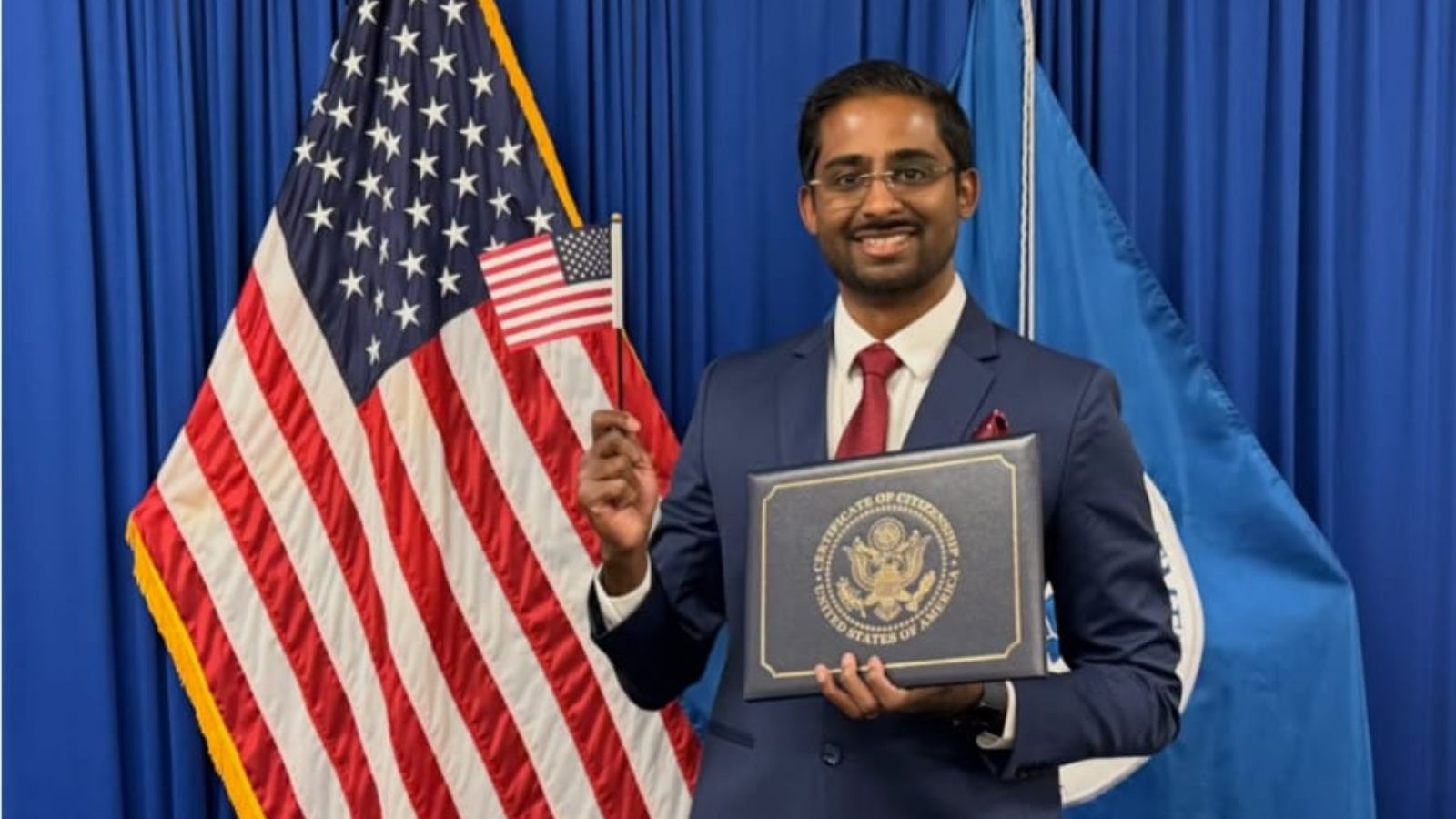
Every immigration story pushed by the media follows the exact same stale script. Founder lands in the States with a dream, battles the bureaucratic meat grinder of H-1B visas and green card backlogs for two decades, finally raises their right hand to take the oath of allegiance, and the credits roll on a heartwarming American success story.
It is a comforting narrative. It is also entirely backward.
I have watched brilliant technical minds spend the absolute peak of their creative and professional lives agonizing over legal status instead of building market dominance. We romanticize the endurance test of the immigration system as if surviving a gauntlet proves business acumen. It proves nothing of the sort. In many cases, tying your personal identity, capital allocation, and equity to a single jurisdiction under the banner of citizenship is a massive strategic blunder.
Let us dismantle the lazy consensus that a US passport is the ultimate prize for a technology entrepreneur.
The Cost of the Paperwork Trap
The typical profile of a Karnataka-born tech founder grinding through the employment-based green card queue involves twenty years of suppressed risk appetite. When your right to remain in the country is tethered to an employer, a visa stamp, or a pending priority date, you do not take bold risks. You optimize for compliance.
Think about the psychological toll. While venture-backed founders in more agile jurisdictions are pivoting, burning bridges, and betting the farm on contrarian ideas, the visa-constrained founder is calculating whether launching a side project violates their visa terms. They are playing a defensive game of career preservation while pretending they are playing offense.
I have seen technical founders blow millions in potential equity value because they delayed incorporation, hesitated on cross-border hiring, or stayed at stagnant corporate gigs just to keep a priority date alive. The opportunity cost of the green card wait is measured in billions of dollars of unrealized market cap.
+------------------------------------------------------------+
|         THE TRADITIONAL IMMIGRATION VALUE TRAP             |
+------------------------------------------------------------+
| 1. High-value technical talent arrives in the US           |
| 2. Trapped in 15-20 year green card backlog                |
| 3. Forced compliance supersedes risk-taking & innovation    |
| 4. Years spent optimizing visa status instead of product   |
| 5. Ultimate reward: Citizenship after peak productivity    |
+------------------------------------------------------------+
The Sovereignty Fallacy
The core delusion behind the celebration of naturalization is the belief that geographic presence equals leverage. In a borderless digital economy, treating a single nation-state as your exclusive operational arena is amateur hour.
Citizenship brings a heavy set of global tax obligations, regulatory burdens, and jurisdictional vulnerability. If you build a global software company, why restrict your corporate architecture to the whims of the Internal Revenue Service and domestic immigration quotas?
The smartest capital is stateless. The smartest founders build multi-jurisdictional optionality. They do not wait twenty years for a piece of paper that grants them the privilege of paying higher global taxes; they structure their enterprises to operate seamlessly across borders from day one. By the time the traditional founder is popping champagne for their naturalization ceremony, the truly elite operators have already built resilient, distributed empires that care nothing about consular appointments.
Redefining the Founder Journey
Let us address the persistent myths surrounding immigration and startup success.
- Myth: Surviving the H-1B lottery builds character and resilience for entrepreneurship.
- Reality: Bureaucratic friction drains cognitive bandwidth. Resilience in business comes from surviving market competition, not from surviving arbitrary government paperwork.
- Myth: You cannot build a generational tech company without moving to Silicon Valley and getting a US passport.
- Reality: Remote infrastructure, global talent pools, and international capital markets have made geographic monopoly obsolete.
When people ask whether international founders should focus on securing US citizenship, the question itself is flawed. It assumes the goal of an entrepreneur is to become a permanent domestic resident. The actual goal is to maximize enterprise value and personal freedom. If spending two decades fighting a immigration backlog is the price of admission, you are paying a massive surcharge for a ticket you didn't even need.
The Unspoken Downside of My Approach
I will admit the limitation of this contrarian stance. Opting out of the traditional immigration track requires an aggressive tolerance for uncertainty. It means abandoning the false security blanket of corporate sponsorship. If you lack the stomach to structure your life around international mobility, corporate structuring, and legal tax planning outside the standard playbook, then yes, the traditional visa grind is your only safe harbor.
Safe, however, is a death sentence for high-growth tech ventures.
Stop celebrating the endurance of broken systems. The next time you read about a founder who finally triumphed over a decades-long visa struggle, do not applaud their patience. Pity the decades they spent playing a rigged game when the board was wide open.
Build the company. Ignore the borders. Keep your optionality.