You love your dog. I love dogs too. But if you take your four-legged friend down to the coast without a lead this summer, you might unwittingly be wiping out one of the UK’s rarest breeding seabirds.
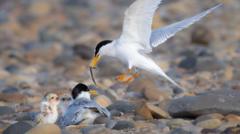
Wildlife trusts and wardens are reporting a massive crisis on our beaches. It is turning into the worst year on record for off-lead dogs invading protected nesting sites. The primary victim is the little tern, a tiny, chattering seabird that weighs no more than a tennis ball.
The problem isn't that dogs are malicious. They are just being dogs. They see a wide-open beach, they run, and they chase. But for a species already teetering on the edge, a single loose pet can destroy a whole generation of chicks in a few minutes.
The Ghostly Neighbors on the Shingle
Little terns are the smallest terns in the UK. They travel thousands of miles from West Africa every spring just to nest on British beaches. They don't build nests in trees or hidden cliffs. Instead, they scrape a tiny, barely visible hollow right into the shingle and sand.
Their eggs look exactly like pebbles. Their chicks look exactly like sand. This camouflage works brilliantly against natural aerial predators like kestrels or crows. It fails completely against a bouncing labrador or a digging terrier.
When a dog runs through a roped-off colony, the adult birds panic. They fly up into the air, screaming and trying to distract the intruder.
While the adults are airborne, disaster strikes in three ways:
- Crushed eggs: Camouflaged nests are stomped on before the owner even realizes the dog is in a colony.
- Thermal shock: Exposed to the cold wind or blistering sun for even fifteen minutes, the unhatched eggs or tiny chicks quickly die.
- Direct kills: Dogs regularly pick up the tiny chicks, killing them instantly or dropping them to die of stress and injury.
At a major breeding colony on the Norfolk coast, volunteers and wardens described scenes of absolute chaos. Off-lead dogs ran straight through a protected site. One warden watched in horror as a dog snatched a chick in its mouth, later dropping it dead near the shoreline. The site had over 250 chicks on the shingle, with conservationists hoping for a record-breaking season. Instead, they were left dealing with dead wildlife and shattered conservation efforts.
Why This Breeding Season Is a Tipping Point
The UK population of little terns is incredibly fragile, sitting at just under 2,000 breeding pairs nationwide. They rely on a handful of core colonies—places like Blakeney Point and winterton in Norfolk, Chesil Beach in Dorset, and Beacon Lagoons on the Humber.
Conservation groups like the RSPB and the National Trust invest months of intense manual labor to protect these sites. They install electric fencing to keep out foxes and badgers. They set up chick shelters to give the young birds a place to hide. They monitor the nests twenty-four hours a day.
Then, a single owner ignores a sign, unclips a lead, and lets their dog roam free.
The data shows how volatile the situation is. Between the mid-1980s and the early 2000s, little tern numbers plummeted by nearly 40%. While massive protection efforts led to a slight bounce back in recent years, the combination of rising visitor numbers and increased dog ownership is reversing that progress.
Wildlife crime officers are losing patience. Letting a dog chase or disturb nesting birds isn't just bad etiquette. It is illegal under the Wildlife and Countryside Act. Local police and the RSPB are actively warning that irresponsible owners face prosecution.
The Excuse Everyone Uses
"Don't worry, my dog doesn't hunt birds."
Wardens hear this phrase daily. It misses the point entirely. Your dog doesn't need to hunt or bite a bird to kill it. The mere presence of a dog—which birds perceive as a apex predator, similar to a fox—causes the adults to abandon the nest.
If a dog stays in or near the colony, the adults won't return. The eggs fail, or predators move in while the parents are gone. The damage is done purely by the dog existing in the wrong space.
Climate change is already making life miserable for these birds. High spring tides regularly wash away entire colonies at sites like Long Nanny in Northumberland. Evolving threats like avian influenza have devastated other seabird populations. Little terns are fighting against rising seas, severe storms, and disease. They don't have the resilience to survive human thoughtlessness on top of it.
How to Share the Shore This Summer
No one wants to ban dogs from beaches. The goal is coexistence. If you are heading to the coast, you can keep both your dog and the local wildlife safe by adopting a few basic habits.
First, look up beach rules before you leave the house. Many coastal areas have seasonal dog bans or strict lead-only zones between May and August.
Second, respect the ropes. If you see a cordoned-off area of shingle or dunes, give it a wide berth. The little terns nest right up against the boundaries, and their chicks often wander outside the fences as they grow.
Third, keep your dog on a short lead whenever you are walking on shingle or near sand dunes. It takes two seconds for a dog to bolt into a nesting area, but it takes years for a seabird colony to recover from the fallout.
If you spot an un-fenced nest or see birds diving frantically at people on the beach, back away immediately. Inform a local warden or wildlife trust so they can put up protective signage before the site gets trampled. It takes very little effort to protect these birds, but it requires everyone to pay attention.