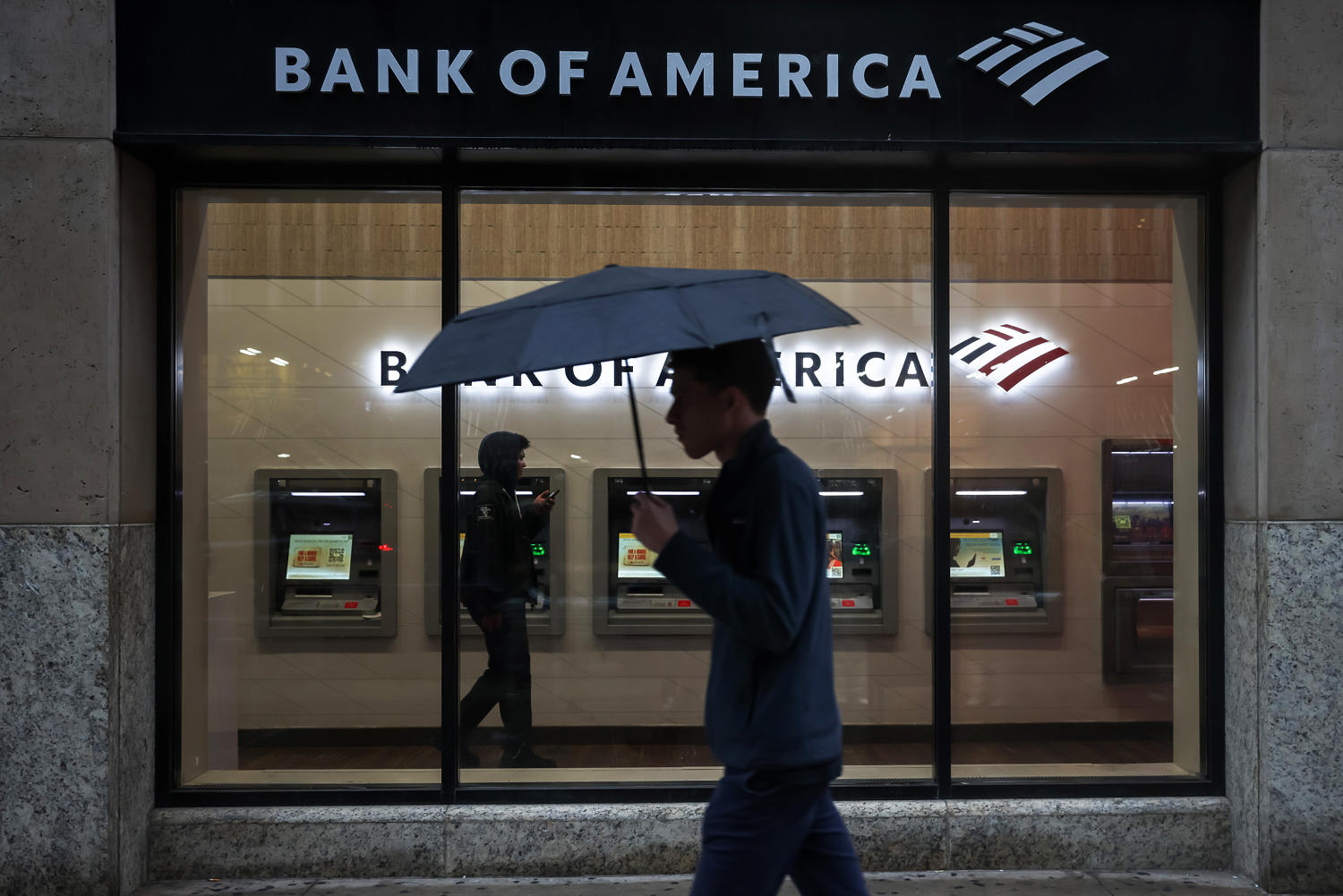
A $1.21 billion penalty doesn't happen by accident. That kind of money takes years of missed alerts, stalled fixes, and blind spots piling up inside one of the biggest banks in the country.
In October 2026, federal regulators hit Bank of America with a combined $1.21 billion bill over sweeping anti-money-laundering and sanctions failures. Treasury Secretary Scott Bessent warned that the bank's shortcomings exposed the wider U.S. financial system to serious illicit finance risks, and the hit lands as the third-largest fine in U.S. Treasury history.
Here's the short version of what went wrong. Regulators found that Bank of America failed to timely report over $5 billion in suspicious transactions to the Financial Crimes Enforcement Network (FinCEN), left trillions of dollars in activity improperly monitored, and processed millions of dollars tied to sanctions violations involving countries like Russia and Iran. On top of that, an $11.6 million settlement with the Office of Foreign Assets Control (OFAC) rounded out the package alongside enforcement actions from FinCEN and the Office of the Comptroller of the Currency (OCC).
How a Giant Bank Let Billions Slip Through the Cracks
Most people assume a megabank has software that catches weird money movements automatically. Honestly, it isn't that simple when you're moving trillions of dollars across retail accounts, commercial wires, and foreign correspondent relationships.
According to the U.S. Treasury enforcement announcement, Bank of America admitted willfully violating the Bank Secrecy Act (BSA) and fell short on basic anti-money-laundering (AML) controls and customer due diligence. Instead of catching red flags on its own, the bank leaned heavily on law enforcement inquiries and tips from other institutions. That's basically outsourcing your watchtower to someone else's radar.
Alerts sat uninvestigated for long stretches, which turned late reports into stale leads for investigators. Even when compliance staff raised warnings about customers taking payments from unknown third parties—including red flags around trade-based money laundering, fraud, and potential narcotics proceeds—timely action didn't follow.
Why Revenue Pressure Beats Compliance in Real Life
On paper, every bank says compliance comes first. In practice, compliance costs money, slows onboarding, and creates friction with revenue-generating business lines.
Regulators pointed out that as AML issues surfaced, Bank of America prioritized revenue and kept a tight lid on compliance resources, even after internal testing flagged real problems. That happens a lot in big organizations. People build workarounds, clear backlogs slowly, or treat a warning as a "we'll tune the model next quarter" item until a regulator shows up with a consent order.
- Stale alerts lose value. When suspicious activity sits unworked for months, investigators are chasing ghosts instead of stopping active flows.
- Third-party payments hide real actors. Customers relying on unknown third-party payers can mask who's actually funding a transaction if due diligence isn't tight.
- Testing without follow-through is theater. Running a model check doesn't fix a broken process if nobody changes staffing, thresholds, or escalation rules afterward.
The Cartel, Sanctions, and China Money Angles
What makes this case stand out isn't just the size of the check. It's the type of risk regulators called out.
More than $1 billion of the unreported suspicious activity touched national security and priority illicit finance risks, including patterns tied to Chinese money laundering networks. Regulators also flagged illicit finance along the U.S. southwest border involving cartels and narcotics trafficking risks, along with sanctions exposure tied to Iran, Russia, narcotics, and global terrorism.
Think about how fast illicit networks adapt. Drug cartels and underground brokers constantly move value across borders, mix legitimate trade invoices with dirty cash, and split payments across accounts to stay under radar thresholds. When a big bank's monitoring and customer due diligence lag behind, bad actors don't need a secret backdoor—they just walk through a side gate nobody's watching closely enough.
Why Sanctions Slip-Ups Are So Tricky to Stop
Sanctions screening sounds straightforward until you look at messy payment messages. Names get misspelled, intermediaries get swapped, or routing details get stripped or formatted oddly across correspondent banks.
Even a small gap in data governance or screening rules can let prohibited payments slip through. Once money moves, clawing back reputational damage and regulatory trust takes years.
What Investors and Customers Are Dealing With Now
If you hold Bank of America stock or bank there, the fallout isn't just a headline from October. The ripple effects are already showing up in earnings, share price swings, and new legal pressure.
Bank of America booked the non-tax-deductible $1.2 billion hit in its third-quarter results, trimming diluted earnings per share by about $0.17. Even with $6.9 billion in Q3 profit, the stock took a sharp hit right after the announcement, dropping roughly 4.5% to 7.7% in initial trading and dragging year-to-date performance behind the broader market.
| Metric or Fallout | What Happened | Practical Takeaway |
|---|---|---|
| Total Penalty | $1.21 billion across FinCEN, OCC, and OFAC | Third-largest U.S. Treasury penalty in history |
| Earnings Impact | Hit Q3 2026 results by ~$0.17 per diluted share | Big banks can absorb fines, but drag still stings |
| Mandatory Reviews | Third-party lookback and independent program audits | Multi-year compliance work ahead before orders lift |
| Investor Litigation | Securities class-action filing announced in November 2026 | Watch filing deadlines and claims carefully if eligible |
There's also a debate over whether fines like this really change behavior. Critics point out that a giant bank can pay a billion-dollar penalty out of quarterly earnings and keep operating, especially when analysts noted board-level oversight gaps and a prior 2024 cease-and-desist order didn't stop the problems. Bank of America, for its part, maintains it has spent billions on technology, assigned thousands of employees to financial crime controls, and made substantial progress on remediation.
Both sides have a point. A $1.21 billion fine hurts shareholders and executives, yet the real teeth in a consent order are the mandatory lookbacks, independent reviews, and ongoing regulatory scrutiny that tie up management attention for years.
Does This Mean Your Everyday Checking Account Is Unsafe?
No, not in the sense that your insured deposit disappears overnight. Federal deposit insurance covers eligible deposits up to standard limits regardless of a bank's compliance fine.
What regular customers do notice after big AML crackdowns is stricter scrutiny. Banks tighten up when regulators are watching—meaning more questions about unusual wire transfers, extra documentation for international activity, or sudden holds on accounts that look erratic. That can be annoying when you're doing nothing wrong, yet it's a direct side effect of banks overcorrecting after a major enforcement action.
Practical Next Steps Depending on Your Role
Whether you're watching this as a shareholder, a business owner moving money, or someone in compliance, don't just treat it as another Wall Street story.
- If you own Bank of America shares: Check your purchase dates against the class-action window (reported as January 20, 2022 through October 13, 2026 in recent filings) and note key notice dates like December 15, 2026 if you want to understand your options. Keep in mind that any litigation claims remain unproven allegations unless a court rules otherwise.
- If you run a business that sends or receives cross-border payments: Keep clean invoices, clear counterparty records, and sensible explanations handy for large or unusual transfers. Tighter bank controls mean legitimate businesses get questioned more often when transaction patterns shift.
- If you work in risk or compliance: Audit your alert backlog aging and third-party payment rules before a regulator asks about them. Testing your detection rules is only half the job; proving that real people investigated alerts promptly and escalated red flags is what keeps you out of trouble.