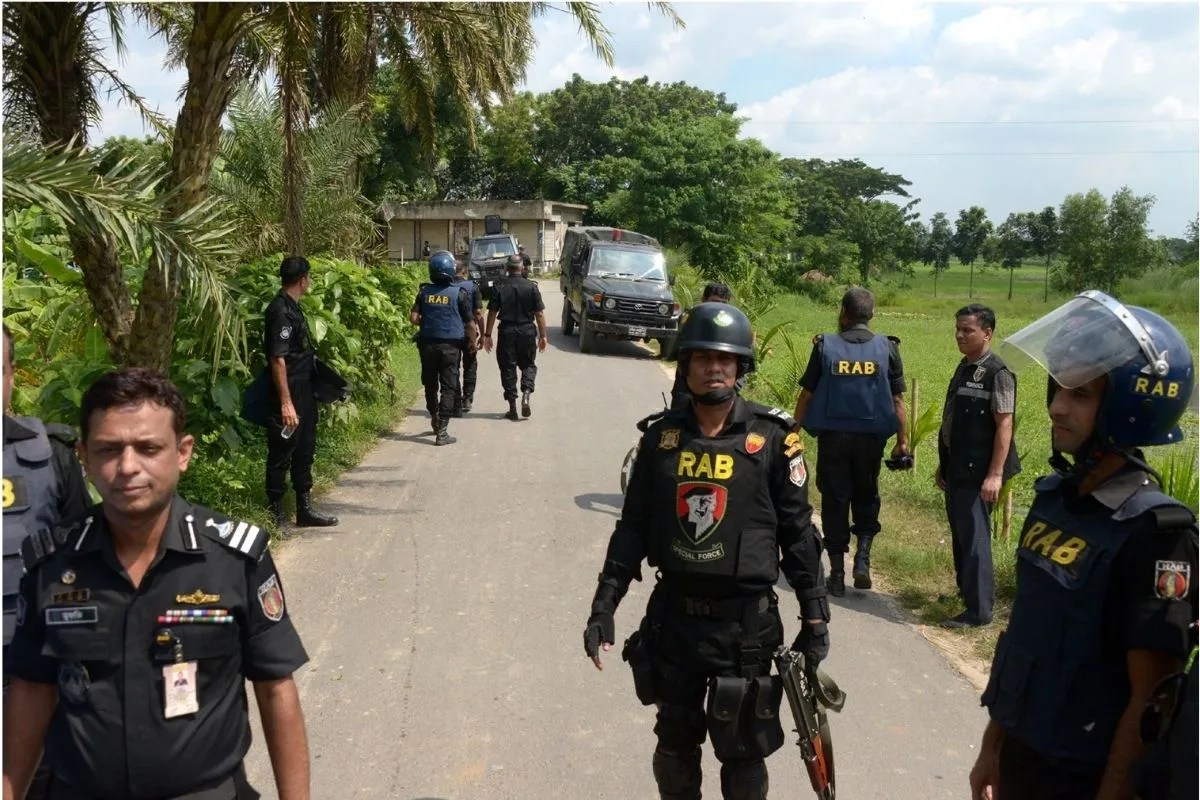
Every time a new headline flashes about an extremist group chasing a caliphate dream in Bangladesh, half the internet panics and the other half shrugs. Both reactions miss the point.
Security alerts involving Bangladesh extremism don't happen in a vacuum. Political transitions, shifting regional alliances, social media echo chambers, and old underground networks all collide in a country of more than 170 million people. When the military goes on high alert or intelligence agencies flag a fresh militant banner, you're rarely looking at an overnight army marching on Dhaka. You're looking at recruitment pitches, rebranded cells, financing trails, and a nervous state trying to stay ahead of instability.
I've followed South Asian security reporting and political shifts long enough to know one thing for sure. Sensational headlines love a clean villain and an instant apocalypse. Reality is messier. Groups rebrand. Old faces pop up under new names. Rumors outrun verified facts by hours, sometimes days.
Why New Militant Banners Pop Up So Often
People who haven't watched South Asian security dynamics closely often assume a "new group" means thousands of fresh fighters pouring out of nowhere. Usually, that's not how it works.
Extremist networks in the region have a long habit of shedding skins. When law enforcement cracks down on one name, or when old factions argue over ideology and money, splinter cells form. Sometimes a handful of operatives borrow the branding of a larger transnational narrative—like talk of a caliphate—to sound bigger than they really are. Bigger sounds scarier. Scarier gets attention and potentially funding.
Online radicalization makes this even faster. You don't need a secret jungle camp to test messaging anymore. Encrypted chats, fringe forums, and short-form video clips let recruiters pitch grievances to disaffected young men or push propaganda aimed at stirring public fear. Even when a cell is tiny, a loud online footprint can make it look like a mass movement.
Another piece of the puzzle is political turbulence. Whenever a country goes through major political upheaval, protests, policing strain, or institutional resets, security gaps open up. Extremists watch for moments when state attention is stretched thin or when public trust in institutions is shaky. They try to exploit anger, economic frustration, or identity debates to recruit.
What a Military Alert Actually Means on the Ground
When news breaks that the Bangladesh military is on alert, readers outside the region sometimes picture tanks rolling down every street. In practice, readiness and alert postures cover a wide spectrum.
Military and intelligence alerts can involve tighter border monitoring, coordinated surveillance with police and counterterrorism units, heightened protection around sensitive infrastructure, and rapid-response prep in case local unrest escalates. A standing army's job is to plan for worst-case scenarios before they spiral, not wait until violence is already widespread.
Let's be honest about a common mistake in coverage. Analysts and readers sometimes treat an official alert or intelligence warning as proof that a full-scale insurgency is underway. That's a leap too far. Governments issue warnings to deter plots, disrupt logistics, and signal resolve. Sometimes a threat is real and active; other times it's an early-stage plot or an unverified tip that still has to be taken seriously.
Security professionals know a basic rule: if you wait until a threat is undeniable, you're already behind.
At the same time, downplaying every warning is just as lazy. South Asia has seen how quickly localized radicalization or cross-border smuggling networks can turn ugly if left unchecked. Taking alerts seriously without falling into doomscrolling is the sweet spot.
The Caliphate Narrative Versus Local Realities
Whenever headlines mention a push for a caliphate, it's worth asking how much of that comes from actual local capability versus borrowed rhetoric.
Transnational extremist ideologies have tried for years to map their grand ambitions onto local grievances in South and Southeast Asia. Yet researchers who study militant movements—including institutions like the International Crisis Group and the Soufan Center—have consistently pointed out that local politics, economic pressures, and domestic power struggles usually drive recruitment far more than abstract global blueprints.
In Bangladesh specifically, mainstream politics, civic life, and everyday society have long contested religious and secular identities in complex ways. Most citizens aren't looking for militant rule; they're worried about jobs, inflation, safety, governance, and stability. Extremist groups try to hijack real frustrations and wrap them in hardline slogans, hoping a small fraction of people will bite.
Still, ideology shouldn't be brushed off as mere window dressing. Even a small, committed cell driven by hardline beliefs can cause serious harm if it acquires weapons, explosives, or digital reach. The danger isn't that an entire nation suddenly converts overnight. The danger is what a determined minority can do during a moment of friction.
How Rumors Distort Crisis Reporting
If you spend ten minutes on social media during a breaking security story, you'll see wild claims presented as gospel. Old photos from unrelated events get recycled. Unconfirmed Telegram posts get screenshot-translated and shared as breaking news. Within an hour, a localized arrest or intelligence tip morphs into a fabricated battle.
This happens in almost every region during tense moments, and South Asia is no exception. Language barriers make it worse. When a story moves from Bangla or regional outlets into English or Hindi social feeds, nuance often gets flattened along the way. A cautious report about "suspicious activity" or "heightened vigilance" turns into a dramatic claim that an entire city is under siege.
I've seen smart people get burned by sharing unverified threads just because the post looked urgent. Urgency is bait. If a post doesn't name a credible outlet, an official statement, or a verifiable detail, treat it as rumor until proven otherwise.
Practical Ways to Read Breaking Security News Smartly
You don't need a security clearance to follow stories like this with a clear head. A few simple habits will save you from bad information and needless stress.
- Check multiple credible sources: Don't rely on a single viral post or one sensational headline. Compare reporting from established regional and international outlets, and look for official confirmations when available.
- Separate rhetoric from capability: Notice the difference between a group posting big ideological claims and a group actually having arms, funding, or operational reach. Big talk is cheap.
- Watch the timeline: Look at when an event supposedly happened and where. Recycled footage is one of the oldest tricks online during tense news cycles.
- Keep local context in mind: Remember that a headline about a security alert doesn't mean the whole country is in flames. Daily life in most neighborhoods continues even while security agencies run operations elsewhere.
If you're tracking developments in Bangladesh for work, research, or personal connection, set up alerts from reputable news agencies and policy trackers rather than chasing algorithm-driven outrage. Give stories a few hours to breathe so verified facts can catch up to the noise.


