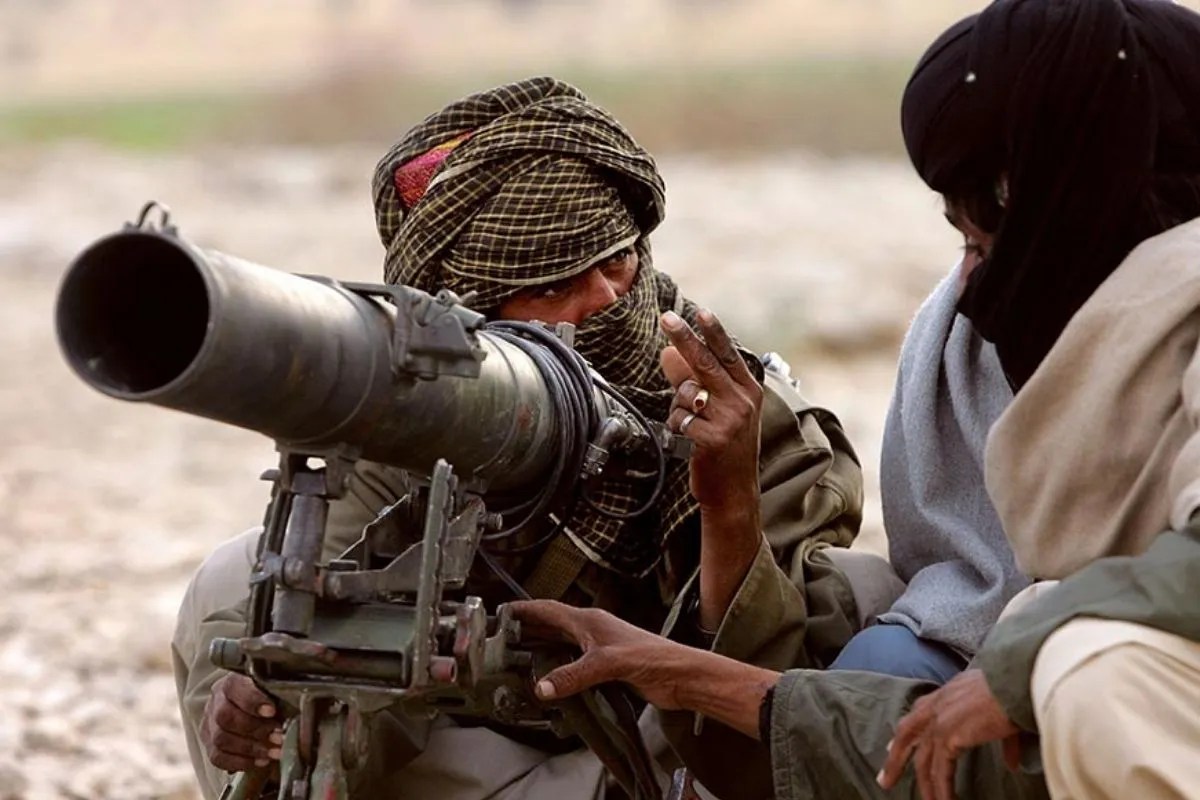
Media outlets are currently foaming at the mouth, breathlessly reporting that the Baloch Liberation Army (BLA) has suddenly established a naval force to cripple Pakistan. They cite skirmishes, a few dead soldiers, and a dash of melodrama to paint a picture of a burgeoning maritime power.
Stop buying the hype. This narrative is not journalism; it is a lazy recycling of insurgent propaganda designed to inflate the perceived reach of a fragmented organization.
When you strip away the sensationalism, the reality is far more clinical. The BLA is not building a navy. They are practicing performative asymmetric harassment. If you believe a collection of speedboats and modified fishing vessels constitutes a threat to a state-controlled coast, you do not understand the mechanics of modern maritime security.
The Fallacy of Insurgent Naval Power
Look at the headlines. They frame the BLA’s recent activities as a grand escalation. They want you to think about blue-water capabilities, supply lines, and anti-access zones.
This is amateur hour.
True naval power requires infrastructure. It requires a logistical tail, maintenance, electronic warfare capabilities, and long-term funding. The BLA has none of these. What they have is access to the Arabian Sea and a desperate need for headlines. By conducting hit-and-run attacks, they are forcing the Pakistani military to spread resources thin, which is a textbook distraction tactic, not a move toward naval sovereignty.
I have watched dozens of insurgencies attempt to pivot to the water. Every single time, the result is the same: they lose their mobility advantages, they get spotted by satellite and aerial surveillance, and they end up getting liquidated.
Pakistan Is Not The Victim Here
The popular sentiment suggests that the BLA is simply "making trouble" for an otherwise functional Pakistan. This misses the forest for the trees. The instability in Balochistan is a direct result of Islamabad’s refusal to manage its periphery with anything other than brute force and economic extraction.
The Pakistani state has turned the region into a pressure cooker. They treat the Gwadar port project not as an engine for development, but as a colonial outpost. When you force a population into a corner, you do not get stability. You get militants who stop caring about long-term strategy and start focusing on high-visibility, low-impact violence to prove they exist.
The BLA killing three soldiers is not a tactical turning point. It is a predictable outcome of a state that refuses to engage in governance, choosing instead to outsource its security to a military apparatus that views the local population as an enemy combatant.
The Economics of Incompetence
Let us talk about the money. Where does the BLA get the funding to even pretend they are a naval force? It is a mix of illicit smuggling, local support, and outside actors using the region as a geopolitical playground.
This is where the mainstream narrative fails the hardest. They treat the BLA as an independent variable. They ignore the reality that regional powers are constantly poking at the wound to irritate Islamabad. If the BLA actually developed a credible naval presence, their backers would cut them off within forty-eight hours because a truly autonomous, armed, and mobile Baloch force is a threat to every regional player, not just Pakistan.
The status quo works for everyone involved. Pakistan gets a perpetual insurgency to justify higher defense budgets. The insurgents get enough noise to maintain their relevance.
Why The Tactical Reality Is Grim
Let us engage in a thought experiment. Imagine a scenario where the BLA actually manages to sink a merchant vessel near the coast. Does this empower them? No. It triggers a massive, punitive response that would likely see their coastal safe houses turned into glass.
Maritime terrain is unforgiving. You cannot hide a network of boats in the same way you can hide a guerrilla unit in the mountains. Once the BLA puts a target on their backs in the open water, they forfeit the one thing they have left: the ability to vanish.
The military reality is that a disorganized militia cannot maintain a presence against a conventional force once the rules of engagement shift to an active maritime theater. If Islamabad ever decided to actually clear the coast—rather than just reacting to sporadic ambushes—the "Baloch Navy" would vanish in a week.
The Truth About The Conflict
Most people asking why this is happening are looking for a political answer. They want to hear about human rights or colonial grievances. Those factors are present, certainly, but they are not the engine of this conflict.
The engine is stagnation.
The Pakistani security establishment is so wedded to the idea that they can contain this through military force alone that they have lost the ability to even identify the root cause of the dissent. They are fighting a 20th-century counter-insurgency battle while the BLA is playing a 21st-century social media game.
The BLA kills three soldiers. The media reports it as a war. The state responds with a drone strike or a raid. The circle repeats. It is a closed loop of failure.
The Only Path Out
If you want to know what happens next, look for the money, not the boats.
If external funding for these groups dries up, the "navy" will be sold for scrap to the same smugglers they claim to be guarding against. If Islamabad stops trying to hold the province with an iron fist and starts actually building a social contract—a concept currently alien to the military elite—the motivation for these men to pick up rifles will evaporate.
But do not count on that. The current arrangement provides too much cover for the political elites to change course. They are content with a low-level, high-visibility conflict that keeps the population divided and the international observers guessing.
So stop reading the headlines about naval fleets. There is no fleet. There is only a dying, desperate, and poorly conceived attempt to stay relevant in a conflict that has forgotten how to end. The soldiers are dead, the state remains incompetent, and the cycle continues because both sides have found a comfortable rhythm in the chaos.