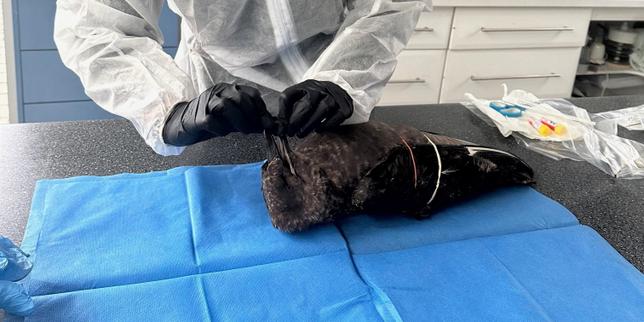
For the longest time, Australia stood as a lonely fortress against the H5 bird flu. While the virus wreaked havoc across every other continent, the island nation stayed miraculously isolated. That shield cracked open in June when the first case showed up in a migratory seabird. Now, authorities are scrambling to deploy a targeted vaccination campaign for captive and wild birds as confirmed or presumed cases surge past 230.
If you think this is just an isolated wildlife issue, you're missing the bigger picture. Nearly half of Australia's native bird species and eighty-three percent of its mammals live nowhere else on Earth. When a pathogen like this hits an isolated ecosystem, it doesn't just spread—it devastates.
The Reality Behind the H5 Surge Down Under
Let's look at the numbers. Agriculture Minister Julie Collins and biosecurity teams are staring down a rapidly changing crisis. What started as a single migrant bird sighting has evolved into local transmission among wild populations. Waterfowl, shorebirds, seabirds, and birds of prey are taking the heaviest hits.
Before you assume commercial poultry farms are ground zero, think again. Commercial production systems remain free of the H5 strain. The immediate threat targets the fragile, irreplaceable native fauna. Earlier this season, the virus made its brutal mark on remote islands by killing over 13,000 elephant seal pups at a breeding colony. That kind of mortality event terrifies conservationists.
Why Vaccination Became the Only Viable Exit Strategy
Biosecurity purists used to hate the idea of vaccinating wildlife. It's expensive, logistically nightmarish, and hard to execute in the wild. But when a virus threatens to wipe out entire endemic species, traditional containment methods fly out the window.
Australia is focusing its vaccination rollout specifically on vulnerable captive and wild bird populations. You can't catch every bird in the outback, obviously. Instead, experts are prioritizing high-risk species, zoo collections, and endangered breeding programs where a single outbreak could mean extinction for a localized group.
This pivot shows a massive shift in how governments handle ecological emergencies. Waiting for nature to balance itself out doesn't work when the invader is a hyper-pathogenic strain of avian influenza.
What This Means for Global Biosecurity Moving Forward
Australia's situation offers a harsh lesson for island nations and isolated territories everywhere. Geographic boundaries offer temporary protection, but they don't stop migratory birds from crossing oceans.
If you work in agriculture, conservation, or wildlife management, pay close attention to how this unfolds. The line between managing a localized outbreak and facing a nationwide ecological collapse is razor-thin. Authorities expect more mass bird deaths before the curve flattens, meaning the next few months will test the limits of modern veterinary medicine and wildlife intervention. Watch the data closely. The response mounted here will likely become the blueprint for handling wildlife pandemics in the next decade.