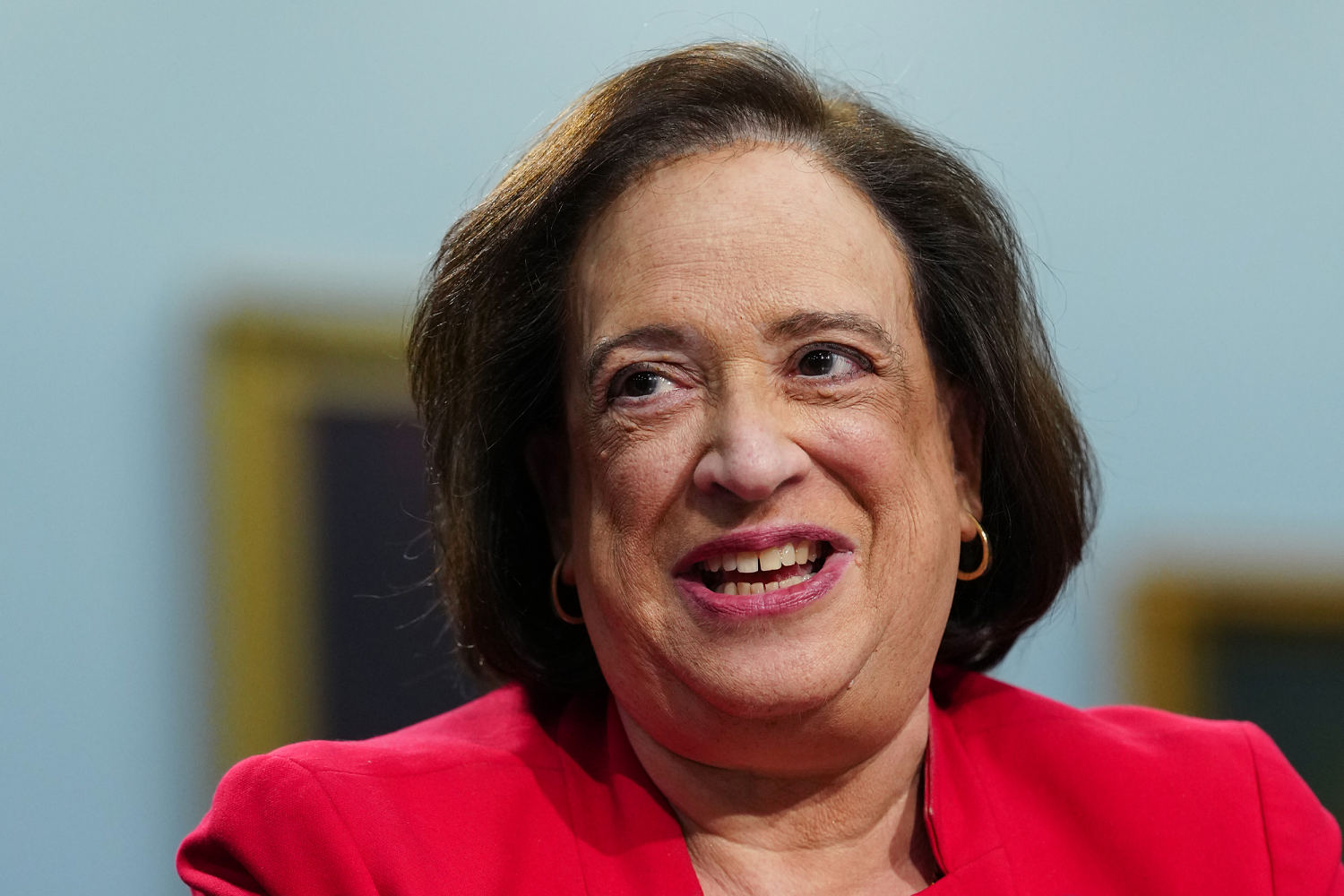
Weaponizing a candidate's childhood trauma is a gamble that blows up fast. In October 2026, Republican gubernatorial nominee Vivek Ramaswamy ran a campaign ad featuring Amy Acton's estranged mother, Donna Arthur, who accused her daughter of lying about her past. Acton immediately condemned the spot, calling it an attempt to exploit her birth mother and a deeply sick family dynamic for political gain.
Plenty of political strategists treat negative ads like a blunt instrument. Throw enough mud, and some sticks. Here, the mud bounced straight back onto the sender. Rather than eroding Acton's credibility, the ad triggered sharp pushback across party lines, rallied abuse survivors and family members to her defense, and became a defining flashpoint in the final stretch of the Ohio governor's race.
On November 3, 2026, Acton defeated Ramaswamy by nearly eight percentage points—52.31% to 44.39%—becoming the first woman elected governor of Ohio and the first Democrat to win the state's top job since 2006.
What Happened With the Ad Featuring Amy Acton's Estranged Mother
The controversy broke in mid-October 2026, just weeks before Election Day. A video first surfaced online via political blogger D.J. Byrnes's Substack, "The Rooster," after a poll participant recorded it during ad testing. In the clip, Donna Arthur called Acton a liar and disputed Acton's public accounts of childhood hardship, including living in a tent.
At first, the ad lacked a standard "paid for" disclosure tag, raising questions about who produced it. Ramaswamy's campaign soon confirmed it was their ad. Ramaswamy initially pledged millions of dollars to put it on the air.
Acton didn't dodge the issue. She had already spoken openly for years about surviving childhood abuse and instability, including in interviews with the Youngstown Vindicator and in her own campaign messaging. In response to the ad, she wrote on Facebook that her birth mother had failed to protect her and accused Ramaswamy of exploiting a painful situation for political points.
Her brother, Phillip Stearns, also stepped forward publicly to back up her account, describing harsh living conditions—including time spent in an unfinished basement with bare lightbulbs and cold nights in a tent—and criticizing Ramaswamy for turning a child's trauma into a campaign talking point.
By late October, Ramaswamy said the ad's planned run had concluded and it went off the air in Ohio. By then, the damage to his closing message was already done.
The Court Record Behind the Estrangement
If you look at attack ads superficially, they often sound like a he-said, she-said argument. Look closer at the public record, and the context shifts dramatically.
Court and police records from Mahoning County show that in July 1978, Austintown police arrested Donna Arthur's husband, Cledith Arthur, on charges involving the rape of a 12-year-old girl. A grand jury indicted him in September 1978. When he failed to appear for a court hearing in October 1978, a warrant was issued for his arrest and he was declared a fugitive. Records indicate Cledith and Donna Arthur left Ohio, remained married until his death in Pennsylvania in 2004, and Acton had not seen her birth mother since the 1978 courtroom proceedings.
That history explains why the ad struck such a raw nerve. When a campaign puts an estranged parent on screen to call an abuse survivor a liar without acknowledging documented child-welfare and criminal history, voters don't just see a dispute over memory. Many see an attack on a survivor's credibility using someone who stood by an accused abuser.
Why This Strategy Backfired in Ohio Politics
Having watched plenty of statewide races go sideways in the final three weeks, I've noticed a clear pattern: voters punish attacks that feel cruel rather than sharp. Negative ads work best when they target a voter's concrete concern—taxes, school policy, job growth, or a candidate's voting record. They backfire when they cross an invisible line into personal cruelty.
Republican Pushback and a Split at the Top
The ad didn't just anger Democrats. Outgoing Republican Gov. Mike DeWine—who had previously worked with Acton during her tenure as Ohio health director and had endorsed Ramaswamy—denounced the spot at the Columbus Statehouse, calling it "deeply, deeply troubling" and urging the campaign to pull it.
Other high-profile voices split sharply. President Donald Trump defended the ad and urged Ramaswamy to keep running it, while Vice President JD Vance said whether it was appropriate wasn't his concern. Meanwhile, figures like Meghan McCain criticized it harshly, and some Republican strategists and commentators worried it alienating swing and suburban voters.
When your own party's outgoing governor is telling reporters the ad is wrong, you've lost control of the narrative. Instead of keeping voters focused on Ramaswamy's economic pitch or his critiques of Acton's COVID-19 pandemic policies, the race became a referendum on campaign decency.
Fundraising Momentum and Voter Fatigue
Campaign finance and timing matter enormously in October. Early voting was already underway when the video leaked. Rather than knocking Acton off balance, the backlash fueled a late fundraising surge for her campaign.
Acton leaned into a steady contrast. She framed the race around public service, affordability, union jobs, and decency—telling voters that kindness isn't weakness and that Ohioans were tired of chaos and vitriol. In a state that had voted Republican at the top of the ticket for years, that message helped carry her across the finish line.
Common Misconceptions About the Controversy
A few myths popped up online while the story was trending. Let's clear them up with actual facts from the record.
- Myth: Acton hid her difficult upbringing until the ad forced her to address it. Not true. Acton had publicly discussed her childhood trauma and instability years before the 2026 campaign, including in a 2019 Youngstown Vindicator interview and in campaign spots earlier in 2026.
- Myth: There was zero outside corroboration of her early hardship. Her brother Phillip Stearns publicly corroborated her account of their upbringing and living conditions, and local 1978 arrest and court records align with the timeline of family turmoil and estrangement.
- Myth: Every Republican backed the ad. Plenty of prominent conservatives and Republicans—including Gov. Mike DeWine—pushed back against it. Party unity wasn't automatic on this one.
How Voters and Readers Can Vet Viral Political Ads
October surprise season is always full of clips stripped of context. Next time a viral campaign ad hits your feed, take two minutes to do a quick sanity check before sharing or forming a snap judgment.
- Check the sponsorship and timing. Look for "paid for by" disclosures and verify whether a clip came from an official ad buy, a poll test, or a leaked draft.
- Read primary public records. When an ad disputes someone's biography, look up court dockets, police reports, or reputable local journalism from the era in question rather than relying solely on campaign statements.
- Ask what's missing from the frame. A 30- or 60-second spot leaves out context on purpose. Ask who is speaking, what their relationship to the subject is, and what facts the ad skips over.
If you want to track how the transition shapes Ohio policy ahead of Acton's January 11, 2027 inauguration, follow primary reporting from outlets like the Associated Press, The Columbus Dispatch, and WOSU Public Media rather than second-hand social media threads.
Attack ad against Amy Acton rattles Ohio governor's race
This video highlights how the ad featuring Amy Acton's estranged mother escalated tensions in the closing stretch of the Ohio governor's race.