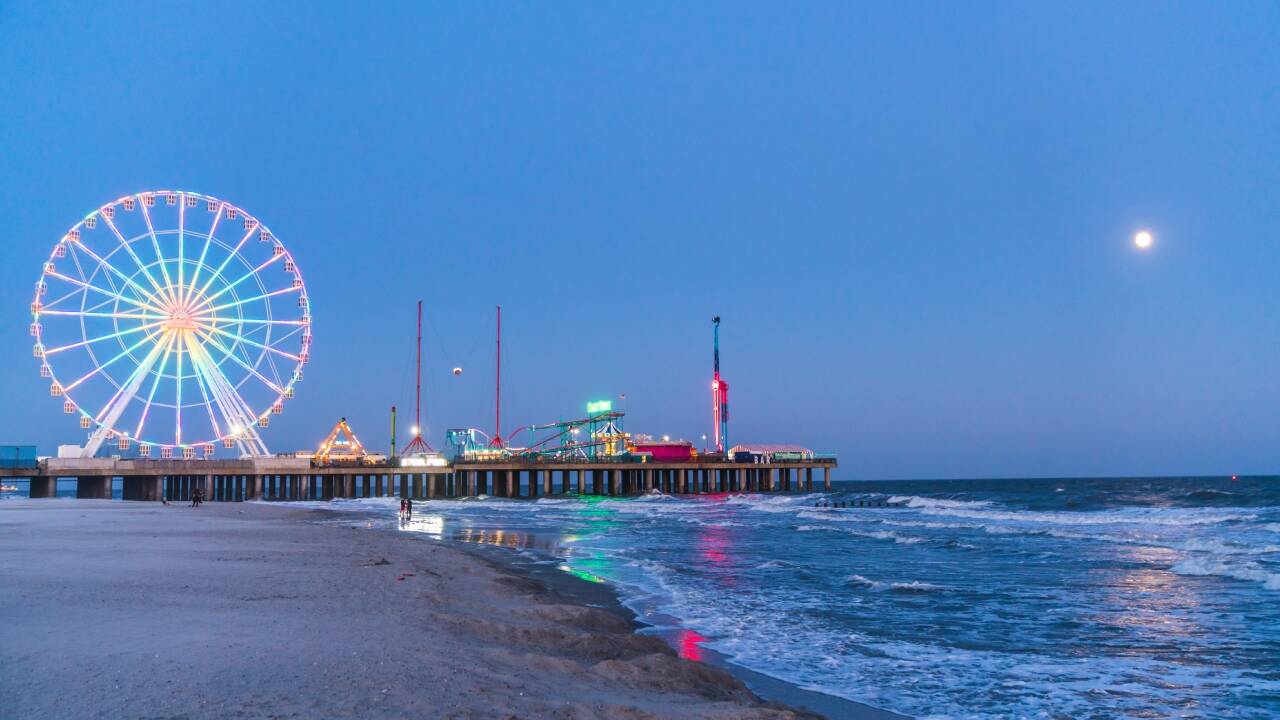
Atlantic Citys historic Steel Pier is officially on the market for an eye-watering $85 million, marking a staggering twentyfold increase from the $4.25 million the Catanoso family paid for the dilapidated asset in 2011. Located directly across from the Hard Rock Hotel and Casino, the five-acre oceanfront landmark is being pitched as a rare waterfront redevelopment trophy. Yet behind the flashy marketing materials and prime brokerage listings lies a complex narrative of municipal debt, shifting tourism demographics, and a generational exit that lays bare the fragility of modern shore economics.
When the Catanoso family rescued the pier from foreclosure following the collapse of Trump Entertainment, the property was a ghost of its former twentieth-century glory. Back then, it was known as the Showplace of the Nation, hosting high-wire acts, diving horses, and legendary musicians. The new owners poured millions into modernization, anchored by the construction of the 227-foot observation wheel that now dominates the coastal skyline. But rebuilding a century-old maritime platform required heavy public backing. Financial records from the Casino Reinvestment Development Authority (CRDA) reveal an outstanding public loan balance hovering near $11 million, a reminder that public infrastructure subsidies helped shoulder the risk of the pier's modern revival.
The official reason given for the sudden exit is succession. Anthony Catanoso and his partners have acknowledged that the next generation of the family has no interest in operating a sprawling seasonal amusement park. Running a marine-grade tourist trap in the Atlantic involves a relentless cycle of corrosion management, storm hardening, and seasonal labor shortages. When maintenance costs scale exponentially against short summer revenue windows, even a profitable asset starts looking like an anchor.
Real estate brokers are positioning the listing not as a simple amusement park sale, but as a blank canvas for high-density vertical development. The property carries valuable riparian rights, potential footprint expansions, and historic condo-hotel approvals dating back to the mid-2000s boom. A sky bridge with an active easement connects the front building directly to the Hard Rock's convention floor, offering immediate integration into the resort's heavy foot traffic.
However, the broader municipal backdrop complicates the pitch. Atlantic City is attempting a difficult pivot away from absolute reliance on casino gaming, even as several nearby hospitality landmarks face foreclosure, ownership changes, or prolonged closures. State oversight, lingering commercial vacancies, and fluctuating visitor spending patterns mean that any buyer looking to drop tens of millions on a vertical residential or entertainment tower is taking a massive gamble on the city's long-term urban renewal.
An $85 million price tag demands more than nostalgia. It requires a buyer willing to bet that the Atlantic City Boardwalk can successfully reinvent itself as a year-round residential and lifestyle destination rather than a weekend carnival strip. The rides will spin through the upcoming seasons, but the clock is ticking on who will write the next chapter of the pier's turbulent financial life.
This video provides a firsthand news broadcast and visual overview of the historic Atlantic City landmark currently hitting the market.