Diplomatic security advisories are lagging indicators of kinetic risk, not predictive forecasts. When the United States diplomatic mission in Saudi Arabia issues a heightened alert regarding potential missile or drone strikes by Yemen-based Houthi forces, the advisory reflects an already-shifted intelligence baseline. Standard media coverage treats these warnings as isolated news events, missing the underlying operational mechanics: consular alerts signal a breakdown in informal deterrence, forcing multinational enterprises, logistics operators, and expatriate populations to immediately reprice operational risk across the Arabian Peninsula.
To understand the true impact of a U.S. security warning in Saudi Arabia, analysts must separate the diplomatic signaling from the physical threat vectors. Consular alerts operate under a strict bureaucratic mandate known as the "No Double Standard" policy. Under this U.S. State Department rule, if credible threat intelligence is shared with official U.S. government personnel regarding a specific geographic area or infrastructure target, that same warning must be disseminated simultaneously to private U.S. citizens. The issuance of an alert therefore indicates that embassy security officers have altered their internal posture—restricting diplomatic movement, elevating shelter-in-place protocols, or hardening compound defenses—based on actionable intelligence rather than generalized regional tension.
The Architecture of Consular Risk Signaling
Most observers misinterpret the threshold required to trigger a public embassy alert. Diplomatic missions avoid issuing unnecessary warnings because frequent alerts induce alert fatigue, degrade local host-nation relations, and trigger immediate capital flight or supply chain disruptions. A formal warning regarding Houthi cross-border capabilities indicates that intelligence assessments have crossed a specific probability-and-impact threshold.
The mechanics of this signaling rely on three distinct variables:
- Intelligence Specificity: Generic regional hostility does not generate an alert. Warnings occur when signals intelligence (SIGINT) or imagery intelligence (IMINT) detects specific pre-launch indicators, such as the movement of mobile transporter-erector-launchers (TELs) in northern Yemen, fuel staging for liquid-propellant ballistic missiles, or the massing of one-way attack unmanned aerial vehicles (UAVs) along known flight corridors.
- Target Differentiation: Houthi strike doctrines historically distinguish between military installations, energy infrastructure, and civilian aviation hubs. When an advisory explicitly references potential impacts on civilian areas or urges citizens to review personal security plans, intelligence suggests either an intent to target dual-use infrastructure (such as international airports) or a high probability of debris fallout from mid-air interceptions over populated urban centers like Riyadh, Jeddah, or Dhahran.
- Host-Nation Air Defense Saturation: Security advisories factor in not just the launch capability of the adversary, but the interception capacity of the defender. Saudi air defense networks, primarily built around Patriot PAC-2/PAC-3 batteries and THAAD systems, maintain high interception rates. However, swarm tactics utilizing low-altitude drones alongside high-apogee ballistic missiles create trajectory saturation. Even a 95 percent interception rate leaves a 5 percent kinetic leakage margin, alongside the certainty of falling shrapnel across urban grids.
The Asymmetry of Houthi Strike Doctrine
Evaluating the actual threat requires examining the economic and military asymmetry between the Houthi movement (Ansar Allah) and the Kingdom of Saudi Arabia. The Houthis operate a decentralized, low-cost strike complex designed to impose disproportionate economic and psychological costs on a high-value, capital-intensive economy.
This operational model relies on three primary delivery mechanisms, each presenting unique detection and interception challenges:
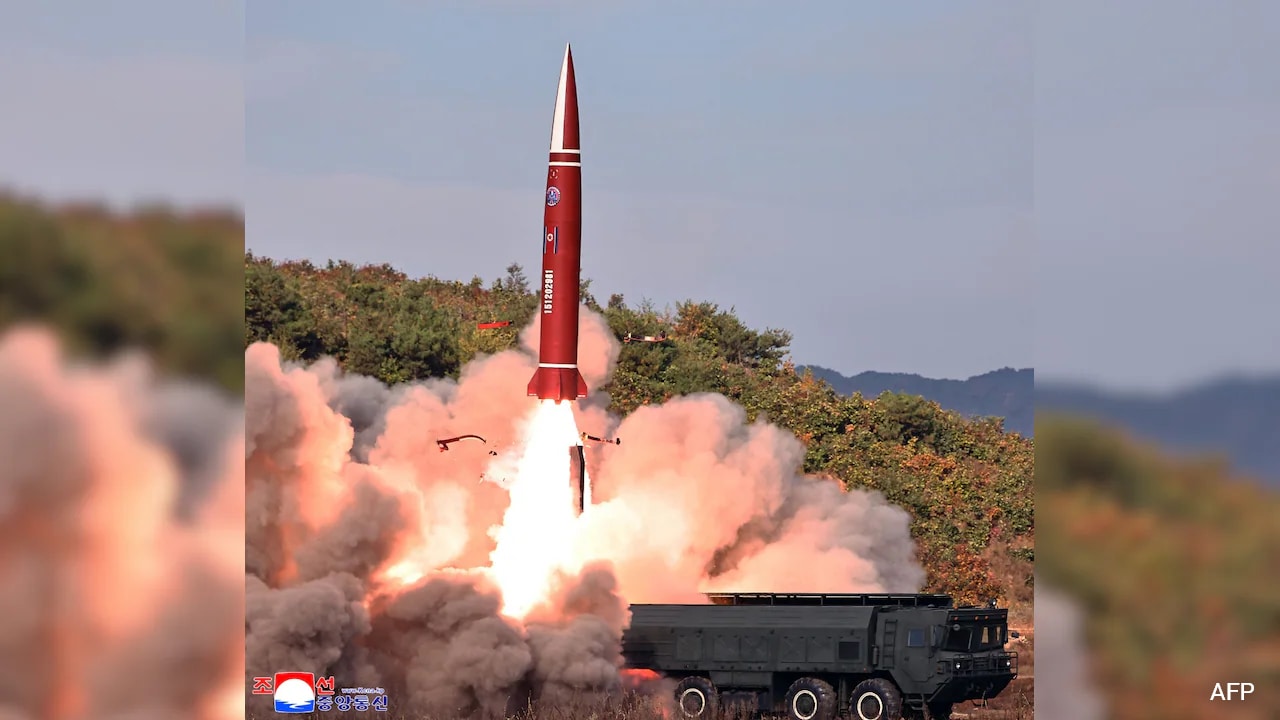
- One-Way Attack Unmanned Aerial Vehicles (OWA-UAVs): Systems such as the Samad-3 and Shahed-series variants utilize low radar cross-sections and terrain-hugging flight profiles. By flying at low altitudes through valleys and wadis along the Saudi-Yemeni border, these platforms exploit radar horizon blind spots. Their primary strategic function is not massive structural destruction, but the disruption of commercial airspace and the exhaustion of expensive surface-to-air interceptor stockpiles.
- Land-Attack Cruise Missiles (LACMs): Platforms like the Quds-series operate at subsonic speeds with programmable waypoints, allowing them to approach targets from unexpected azimuths rather than a direct line of flight from northern Yemen. This forces Saudi air defenses to maintain 360-degree radar coverage across vast desert perimeters, diluting sensor concentration.
- Medium-Range Ballistic Missiles (MRBMs): Systems such as the Burkan-2H and Zulfiqar variants offer rapid time-to-target metrics, often reaching central Saudi Arabia within minutes of launch. While their high-altitude trajectories make them easily detectable by early-warning radars, their terminal velocity requires high-tier kinetic interceptors, creating a massive cost-exchange ratio imbalance. A single ballistic missile costing tens of thousands of dollars to assemble routinely requires two interceptor missiles costing several million dollars each to neutralize.
The strategic objective behind these launches rarely hinges on achieving decisive military victory. Instead, the strikes function as coercive diplomacy. By demonstrating the ability to threaten critical nodes—such as Aramco processing facilities, desalination plants, or international transit hubs—the Houthis exert direct pressure on ceasefire negotiations, maritime security dynamics in the Red Sea, and broader regional alignments.
Second-Order Effects on Regional Markets and Supply Chains
When a U.S. security warning hits the wire, the immediate kinetic threat is often secondary to the rapid financial and logistical cascading effects. Modern risk management algorithms used by global insurers, maritime carriers, and multinational corporations ingest diplomatic advisories as hard inputs, triggering automated operational adjustments.
The first immediate friction point occurs in commercial aviation. International carriers routing through Riyadh (RUH) or Jeddah (JED) continuously evaluate conflict zone risk metrics. An elevated embassy alert forces airline dispatchers to calculate the probability of sudden airspace closures. When air defense batteries engage incoming targets, civil aviation authorities immediately suspend takeoffs and landings to prevent friendly-fire incidents or mid-air collisions with interceptors. Even a two-hour airspace freeze disrupts global crew rotations, delays high-value air freight, and forces long-haul flights to divert to alternative hubs in the Gulf, burning excess fuel and incurring cascading scheduling penalties.
The second friction point involves maritime and energy logistics. Saudi Arabia's economic architecture relies heavily on uninterrupted maritime transit through both the Persian Gulf and the Red Sea. Heightened cross-border threat levels immediately impact war-risk insurance premiums for vessels calling at Red Sea ports like Jeddah Islamic Port or Yanbu. Underwriters reprice hull and machinery coverage within hours of a diplomatic warning, raising landed costs for imported goods and compressing margins for petrochemical exports.
For foreign direct investment (FDI) and corporate operations within the Kingdom, these alerts test business continuity plans. Multinational firms operating under Saudi Arabia's Regional Headquarters (RHQ) program must balance regulatory mandates requiring physical executive presence against internal corporate duty-of-care obligations. A U.S. embassy warning legally elevates the standard of care required by Western employers. Failure to update evacuation protocols, verify shelter-in-place infrastructure, or restrict non-essential domestic travel following an official government warning exposes corporations to severe liability if personnel are injured during an incident.
Operational Limitations of Diplomatic Advisories
Relying solely on public embassy alerts for corporate or personal security management is a flawed strategy. Consular warnings suffer from structural blind spots that limit their utility as real-time tactical tools.
First, bureaucratic clearance processes introduce latency. Before a U.S. mission publishes an alert, the text must undergo review by the Regional Security Officer (RSO), the Ambassador, and relevant desks at the State Department in Washington, D.C. In fast-moving tactical environments, this clearance chain means the public warning often arrives hours after the initial intelligence collection—or occasionally after an initial wave of strikes has already commenced.
Second, diplomatic warnings are inherently broad to protect intelligence sources and methods. To avoid revealing that a specific communication channel has been compromised, an embassy will issue a generalized warning covering an entire city or region rather than naming the exact facility targeted. For an enterprise security director, a warning covering "Riyadh" provides insufficient granularity to decide whether to evacuate a specific industrial park on the city's periphery while keeping downtown corporate offices open.
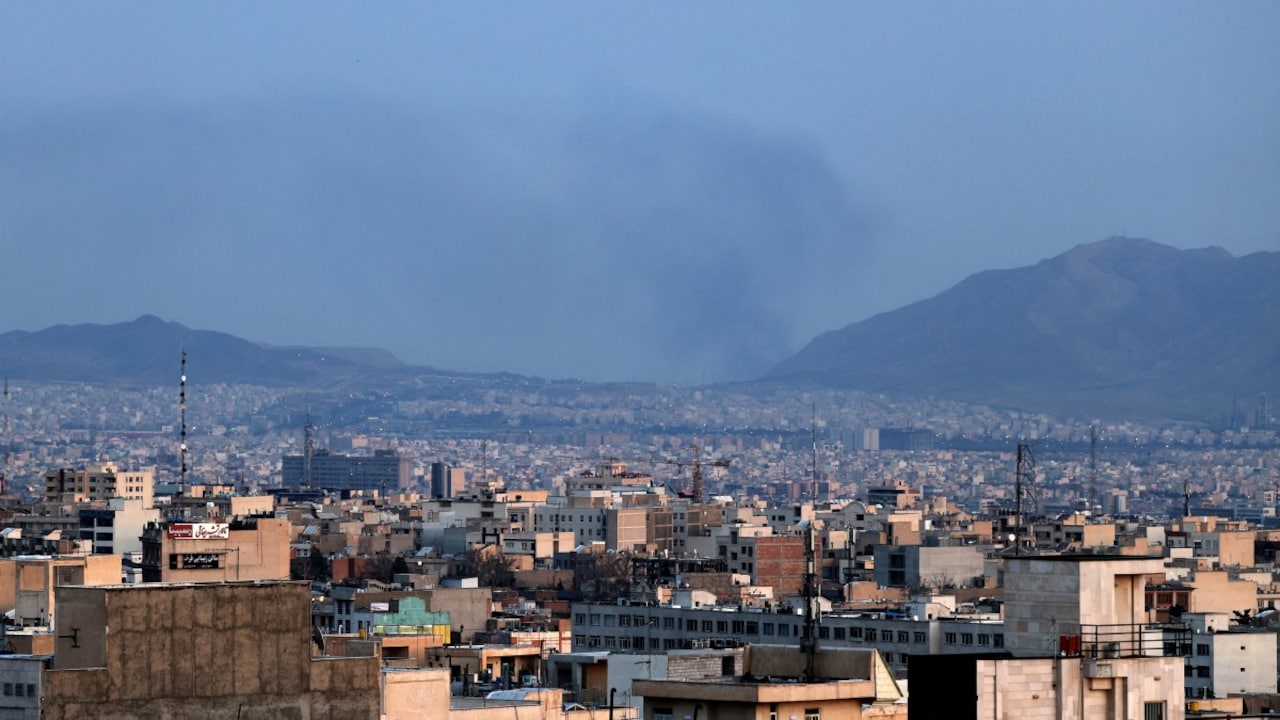
Third, public alerts do not account for localized civil defense infrastructure. The physical risk to an individual during a missile or drone attack depends heavily on building construction standards, proximity to potential military or energy targets, and access to reinforced interior rooms away from glass facades. Most casualties in modern urban air defense engagements result not from direct hits by adversary warheads, but from blast overpressure shattering plate glass or falling debris striking individuals who rushed outside to film the interceptions.
Tactical Risk Mitigation for Enterprise Operators
Organizations and individuals operating within Saudi Arabia cannot eliminate geopolitical volatility, nor can they rely on static deterrence to guarantee uninterrupted safety. Managing this environment requires shifting from reactive compliance with diplomatic alerts to proactive, tiered operational resilience.
Security directors and regional managers must execute four specific protocols immediately upon the issuance of heightened threat advisories:
- Geospatial Risk Tiering: Map all corporate assets, residential compounds, and transit routes against known high-value targets, including airbases, radar installations, Ministry of Defense facilities, and major energy infrastructure. Establish a minimum three-kilometer buffer zone around these nodes. Facilities within this perimeter require hardened interior shelter zones and mandatory ballistic film on exterior windows to mitigate spalling and glass fragmentation.
- Decentralized Communications Redundancy: Cellular networks frequently experience severe congestion or deliberate throttling during active air defense engagements as citizens attempt to contact family members simultaneously. Equip key personnel and wardens with satellite messengers or dual-SIM devices operating on independent carrier backbones, and establish pre-scheduled check-in windows that do not rely on real-time voice calls.
- Dynamic Travel and Airspace Triggers: Replace static travel bans with automated operational triggers. Monitor Notice to Airmen (NOTAM) feeds and real-time flight tracking data rather than waiting for embassy updates. If commercial flights begin holding patterns outside major Saudi terminal control areas without weather explanations, immediately halt ground transport to airports and transition staff to shelter-in-place postures.
- Supply Chain Buffer Stocking: For industrial and retail operations dependent on Red Sea ports or overland transit from the south, maintain a rolling 14-day buffer inventory of critical components within central distribution hubs. Assume that any kinetic escalation will trigger a 48-to-72-hour customs and port clearance bottleneck as security inspections tighten across all entry points.
The strategic reality in the Arabian Peninsula is defined by persistent, low-grade asymmetric friction punctuated by acute spikes in kinetic risk. Diplomatic warnings from Washington are neither anomalies nor harbingers of total regional collapse; they are routine recalibrations of an ongoing deterrence equation. Organizations that embed intelligence-driven buffer zones, redundant communications, and automated logistical triggers into their baseline operations will absorb these shocks without halting execution, while competitors reliant on reactive media narratives will remain paralyzed by every shift in the diplomatic threat level.