When civilian populations take shelter and alliance fighter jets scramble over a suspected exploding drone on NATO's eastern flank, the surface drama obscures a deeper structural mismatch: high-cost air-policing and point-defense architectures are being stress-tested by low-signature, low-cost unmanned systems operating in a contested gray zone. Standard breaking news treats such an incident as a discrete military scare or a binary question of whether an attack occurred. A rigorous operational analysis treats it as a multi-layered systems problem spanning sensor physics, alert-to-scramble latency, civil warning thresholds, and attribution uncertainty.
This analysis provides a blueprint for evaluating unmanned aerial intrusions along NATO's eastern border without fabricating unverified incident details. The core objective is to separate observable mechanics from unconfirmed claims, map the cost and response asymmetries between cheap drones and high-performance fighters, and establish a disciplined decision framework for airspace defense and civil protection.
Deconstructing Competitor Reporting Logic
Headline-driven coverage of a suspected drone explosion and shelter order typically relies on a linear cause-and-effect chain that overstates clarity under fog-of-war conditions. A common reporting pattern links a loud blast or radar track directly to hostile intent, treats a fighter scramble as proof of imminent aerial dominance, and frames public shelter alerts as a simple measure of caution. That structure is compelling to read, yet analytically thin because each link contains significant ambiguity in the immediate aftermath of an event.
The first analytical flaw in standard coverage is conflating detection with positive identification. A radar return, acoustic signature, or wreckage site does not immediately establish whether an object is a strike munition, a reconnaissance platform, a decoy, a weather balloon, or a civilian system experiencing navigation drift or electronic warfare interference. Treating a "suspected drone" as a confirmed strike weapon before technical forensics conclude distorts threat assessment and inflates uncertainty.
The second flaw is treating a fighter scramble as a direct countermeasure to a low-flying unmanned threat. Supersonic interceptors excel at policing controlled airspace, deterring manned intrusions, and projecting rapid presence, but they face severe physical and economic constraints against small, slow, low-altitude targets. Reporting that jets scrambled implies a neat solution when, in practice, fighters may struggle with radar clutter, ground masking, fuel endurance, and rules of engagement near populated borders.
The third flaw is reading civil shelter orders as a static metric rather than a dynamic risk-management trade-off. Issuing public alerts involves balancing the cost of false alarms—alert fatigue, economic disruption, and psychological strain—against the severe downside of delayed warning if an explosive payload is present. Coverage that stops at "residents took shelter" misses the operational calibration occurring inside emergency management centers.
Known Facts Versus Educated Hypotheses
Disciplined security analysis requires strict separation between verified mechanics and analytical hypotheses, especially when an incident is still under investigation or lacks public forensic confirmation.
Known Operational Mechanics
Several mechanics governing border airspace incidents in the Baltic and broader eastern flank are well established in defense and aviation practice:
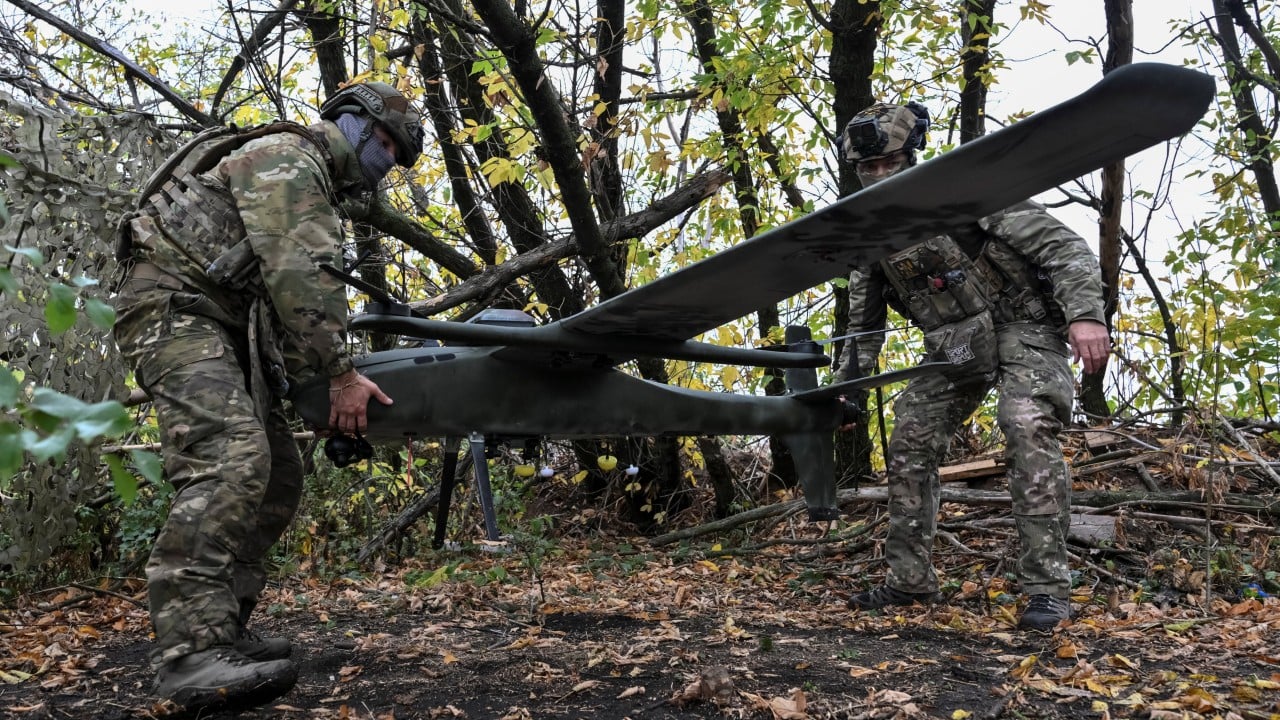
- Low-observable and low-altitude profiles challenge legacy sensors: Small unmanned aerial vehicles flying low or using composite structures often present small radar cross-sections and intermittent thermal or acoustic signatures, especially over wooded or undulating terrain.
- Scrambles serve signaling as well as interception: Alert fighters stationed under allied air policing and air defense arrangements provide rapid response capability, visual or sensor confirmation where geometry permits, and visible deterrence signaling.
- Civil warning systems operate under time compression: When authorities receive unverified reports of an incoming or exploding aerial object near civilian areas, warning decisions must occur in minutes rather than hours, relying on partial sensor and ground reports.
- Attribution requires multi-source corroboration: Determining origin, flight path, and intent depends on radar data, debris forensics, flight-control or propulsion components, electronic emissions, and broader regional context.
Educated Hypotheses Requiring Verification
Where specific incident details are incomplete or contested, analysts can formulate structured hypotheses to guide investigation without presenting them as settled fact:
- Off-course spillover versus deliberate probe: A drone exploding or found in a neighboring NATO state could stem from navigation error, GPS jamming or spoofing, structural failure along a contested corridor, or an intentional test of border detection, warning speed, and political resolve.
- Detonation source ambiguity: An explosion reported alongside a suspected drone could reflect a warhead detonation, remaining fuel or battery ignition on impact, or secondary ground effects, each carrying different implications for lethality and design.
- Sensor-to-shooter gap: Even when early-warning networks detect an anomaly, handoff delays between long-range surveillance, air command, ground air defense, and fighter patrols can leave a narrow window for engagement or containment.
The Four Pillars of Border Drone Defense
Evaluating how a state absorbs and responds to a suspected drone incursion works best through four operational pillars: Detection and Classification, Cost and Response Asymmetry, Civil Alert Calibration, and Attribution and Escalation Control.
Pillar 1: Detection and Classification
Air defense begins with seeing the target early enough to classify it accurately. High-altitude surveillance radars designed for fast-moving aircraft or ballistic threats are not automatically optimized for small, slow unmanned systems skimming above tree lines or masking behind terrain features. Effective detection therefore depends on sensor fusion—combining low-altitude gap-filler radars, passive acoustic or radio-frequency sensors, electro-optical/infrared tracking, and civilian aviation or ground reports.
Classification is the immediate bottleneck after detection. An operator must distinguish a harmless stray or civilian drone from a one-way attack munition or reconnaissance platform within seconds or minutes. Misclassification cuts both ways: treating every ambiguous return as a high-threat strike wastes scarce interceptors and triggers unnecessary alarms, while under-classifying a genuine threat risks unmitigated impact.
Pillar 2: Cost and Response Asymmetry
The defining strategic tension of modern drone incidents is asymmetric economics and kinematics. A relatively inexpensive unmanned system can force a defense establishment to activate high-value manned aircraft, ground-based air defense batteries, command-and-control nodes, and civil emergency services. Every alert carries an operational cost in flight hours, maintenance wear, munitions readiness, and crew fatigue.
Consider a stylized border scenario in which an unidentified low-altitude drone crosses near a populated corridor at night. A quick reaction alert pair of fighter jets launches to inspect and deny airspace, while ground air defense units elevate readiness and local authorities push shelter notifications. Even if the aircraft cannot easily track or engage a slow, low-flying target safely over civilian terrain without risking falling debris, the defender still absorbs substantial readiness and disruption costs. By contrast, a low-cost drone system incurs minimal marginal expense to launch or lose.
Pillar 3: Civil Alert Calibration
Shelter directives sit at the intersection of physical protection and societal resilience. When authorities instruct citizens to take shelter over a suspected explosive drone, they are prioritizing immediate life safety under high uncertainty. Yet emergency management teams face a classic signal-detection dilemma: setting the alert threshold too low produces frequent false positives that erode public responsiveness over time, whereas setting it too high risks leaving people exposed if an ordnance-bearing drone strikes a residential or infrastructure node.
Calibration depends on speed, specificity, and follow-through communication. Clear instructions on where to shelter—such as moving away from windows or into lower or interior spaces—matter far more than generic panic messaging. Equally important is timely all-clear and factual updates once authorities assess the immediate hazard, preventing prolonged paralysis.
Pillar 4: Attribution and Escalation Control
A suspected drone incident near alliance territory tests escalation management before all facts are known. Premature public attribution locks policymakers into rigid postures before forensic evidence is secure, while prolonged silence invites rumor, domestic anxiety, and information manipulation.
Effective escalation control pairs firm defensive posture with disciplined information release. Governments need to communicate what is known, what is under investigation, and what protective measures are active, while reserving formal attribution for verified technical and intelligence findings. That discipline preserves alliance cohesion and prevents an ambiguous border event from spiraling into an unintended crisis.
Practical Questions Behind Border Drone Alerts
Observers following a suspected drone explosion and shelter order usually want clear answers to a few recurring operational questions, even when live facts are still emerging.
Why Do Fighter Jets Scramble If Drones Are Hard to Intercept?
A scramble is not solely about shooting down a target with a missile or cannon. Fighter aircraft provide rapid airborne sensor coverage, help rule out manned aircraft or larger aerial threats, demonstrate alliance readiness along the border, and reposition forces in case the incident is part of a broader coordinated wave. Relying on fighters alone to solve low-altitude drone defense is a known limitation, which is why layered ground air defense, electronic warfare, and counter-UAS systems are essential complements.
What Makes Confirming a Drone Explosion So Difficult?
Confirmation takes time because initial reports often come from sound, flash, or distant observation rather than direct visual inspection of intact components. Debris from a small drone can scatter widely or be obscured by darkness, dense forest, or agricultural land. Investigators must examine blast patterns, fragmentation, propulsion or guidance remnants, and radar or flight-path data to distinguish a munition detonation from other explosive or impact events.
How Do Authorities Decide When to Tell Civilians to Take Shelter?
Decision-makers weigh proximity to populated areas, trajectory or impact location, likelihood of explosive payload, and available lead time. When an aerial object is suspected of carrying explosives or its behavior is unpredictable near communities, issuing a precautionary shelter order is a low-regret protective step during the window of uncertainty. Once bomb disposal teams, security forces, and airspace monitors establish the perimeter and assess residual risk, authorities can scale down restrictions.
Operational Limitations and Trade-Offs
No counter-drone posture or civil warning protocol eliminates risk entirely, and honest strategy requires naming the trade-offs upfront.
- Physics and geography create blind spots: Curvature of the earth, forest cover, terrain masking, and weather limit line-of-sight sensors against low-flying drones, meaning detection gaps can persist even in well-monitored border zones.
- Interception carries collateral hazard: Engaging an airborne drone over or near towns, transport corridors, or critical utilities introduces risks from falling debris, unexpended ordnance, or stray fire.
- Speed and accuracy compete directly: Rapid warning and rapid defensive reaction often rely on incomplete information, increasing the chance of early misinterpretations that must later be corrected publicly.
- Readiness has a peacetime budget ceiling: Continuous high-alert scrambles, layered ground air defense deployments, and sensor upgrades compete with other defense and domestic priorities, forcing leaders to prioritize high-value corridors rather than covering every square kilometer equally.
Tactical Playbook for Airspace and Crisis Readiness
Translating these mechanics into operational discipline requires concrete steps across detection, response, civil alerts, and communications rather than ad-hoc reaction.
- Audit low-altitude sensor seams first: Map coverage gaps between long-range air surveillance radars, ground sensors, and acoustic or optical nodes along border corridors, prioritizing populated areas and critical infrastructure.
- Match interceptor profiles to target profiles: Reserve high-speed fighters for high-end air threats, rapid inspection, and deterrence signaling, while integrating shorter-range air defenses, electronic warfare, and dedicated counter-UAS interceptors for slow, low-flying drones.
- Standardize tiered shelter triggers: Define clear thresholds tying alert scope and duration to trajectory confidence and suspected payload risk, paired with concise sheltering instructions and rapid post-incident updates.
- Separate live safety messaging from attribution: Empower local and national emergency channels to deliver immediate protective guidance, while routing technical forensics and public attribution through a coordinated interagency and alliance process.
The decisive strategic play for eastern flank defenders is to stop treating isolated drone explosions and scrambles as standalone anomalies and instead institutionalize continuous low-altitude airspace stress testing—pairing fused low-level sensors and cost-calibrated interceptors with rapid, transparent civil alert cycles that absorb gray-zone friction without surrendering operational tempo or public trust.