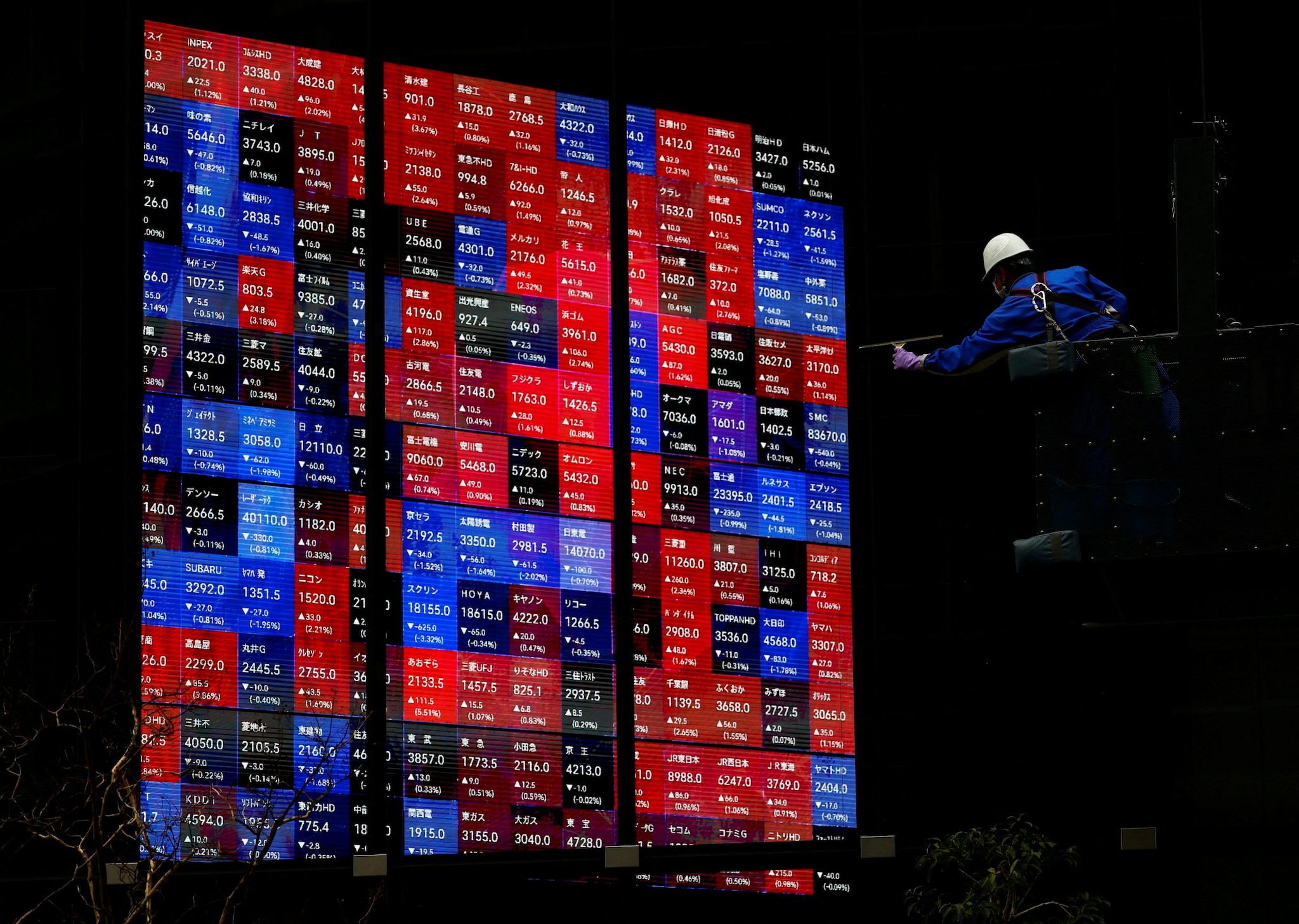
Traders in Tokyo, Hong Kong, and Seoul aren't looking at earnings reports today. They're staring at news feeds from Cairo and Doha. The volatility we're seeing across Asian markets right now stems from a singular, high-stakes gamble on whether West Asia can finally find a path toward a ceasefire. Markets hate uncertainty. They hate "maybe" even more. Right now, the global economy is stuck in a giant "maybe," and Asian equities are feeling the squeeze first because of their heavy reliance on stable energy prices and clear shipping lanes.
If you're holding positions in the Nikkei or the Hang Seng, you've likely noticed the sudden loss of momentum. It isn't a coincidence. The link between Middle Eastern stability and Asian manufacturing hubs is direct. When the Suez Canal is risky and oil futures jump on every headline, the cost of doing business in Asia spikes. This isn't just about geopolitics. It’s about the bottom line for every shipping giant and electronics exporter from Busan to Mumbai.
The ripple effect of West Asia on Asian indices
Asian stocks are often the canary in the coal mine for global risk sentiment. Because these markets open while the West is still asleep, they react first to overnight shifts in diplomatic tones. We saw the Nikkei 225 pull back from recent highs because investors are taking profits while they wait for concrete news. They've been burned before by "imminent" deals that fell apart at the last minute.
The pressure is most visible in the energy-sensitive sectors. Japan and South Korea import the vast majority of their crude oil. Any hint that ceasefire talks might fail sends Brent crude upward, which immediately translates to a sell-off in Asian transport and manufacturing stocks. Conversely, the tech-heavy Taiwan market is watching how these tensions affect global logistics. If ships have to keep rerouting around the Cape of Good Hope, the "just-in-time" supply chain for semiconductors stays broken. That's a cost no one wants to carry into the next quarter.
Why the current ceasefire negotiations feel different for investors
We've seen plenty of false starts over the last year. However, the current round of talks involves a level of regional pressure we haven't seen in previous months. Investors are betting that the exhaustion of all parties involved might finally lead to a functional pause in hostilities. But betting isn't the same as knowing.
Markets are currently pricing in a "cautious optimism" scenario. This is the worst possible spot for a retail investor to be. If a deal is signed, we'll see a massive relief rally, particularly in China and Hong Kong where valuations are already stretched. If the talks collapse, expect a sharp, painful correction. The smart money isn't buying the dip yet; they're sitting on cash and watching the headlines.
Gold and the Yen as the real story
While stocks are idling, the movement in safe havens tells the real story. The Japanese Yen has shown some backbone recently, not necessarily because the Japanese economy is roaring, but because it's still the place people run when things get messy in West Asia. Gold is hovering near record levels too. This tells me that despite the "talks," the big players aren't convinced peace is a sure thing.
If you want to understand where Asian stocks go next, stop looking at the charts for a second and look at the spread between oil and the Yen. When oil goes up and the Yen goes up simultaneously, it’s a sign of pure fear. When oil drops and stocks stay flat, it means the market is waiting for a reason to believe the recovery is sustainable.
How to manage your portfolio during the deadlock
Don't chase the headlines. That’s the fastest way to lose money in this environment. By the time you read a "breaking" news alert on your phone, the algorithmic traders in Singapore and London have already moved the price.
Focus on companies with strong domestic demand that are less insulated from international shipping costs. Think about Indonesian or Indian firms that rely more on local consumption than global exports. These "internal" economies often act as a buffer when the rest of the world is obsessing over West Asian geography.
Check your exposure to logistics and shipping. These sectors have been incredibly profitable during the chaos, but they'll be the first to dump if a ceasefire is reached and shipping lanes return to normal. The "war premium" on freight rates will evaporate overnight. If you're heavy on shipping stocks, you're essentially betting against peace.
Keep a close eye on the 10-year Treasury yields in the US as well. The Middle East isn't the only factor, but it's a huge driver of inflation expectations. A peaceful resolution in West Asia would likely cool off inflation, giving the Fed and other central banks more room to cut rates. That would be the ultimate green light for Asian equities. Until then, stay defensive and keep your position sizes small. The market isn't going anywhere until the diplomats do.