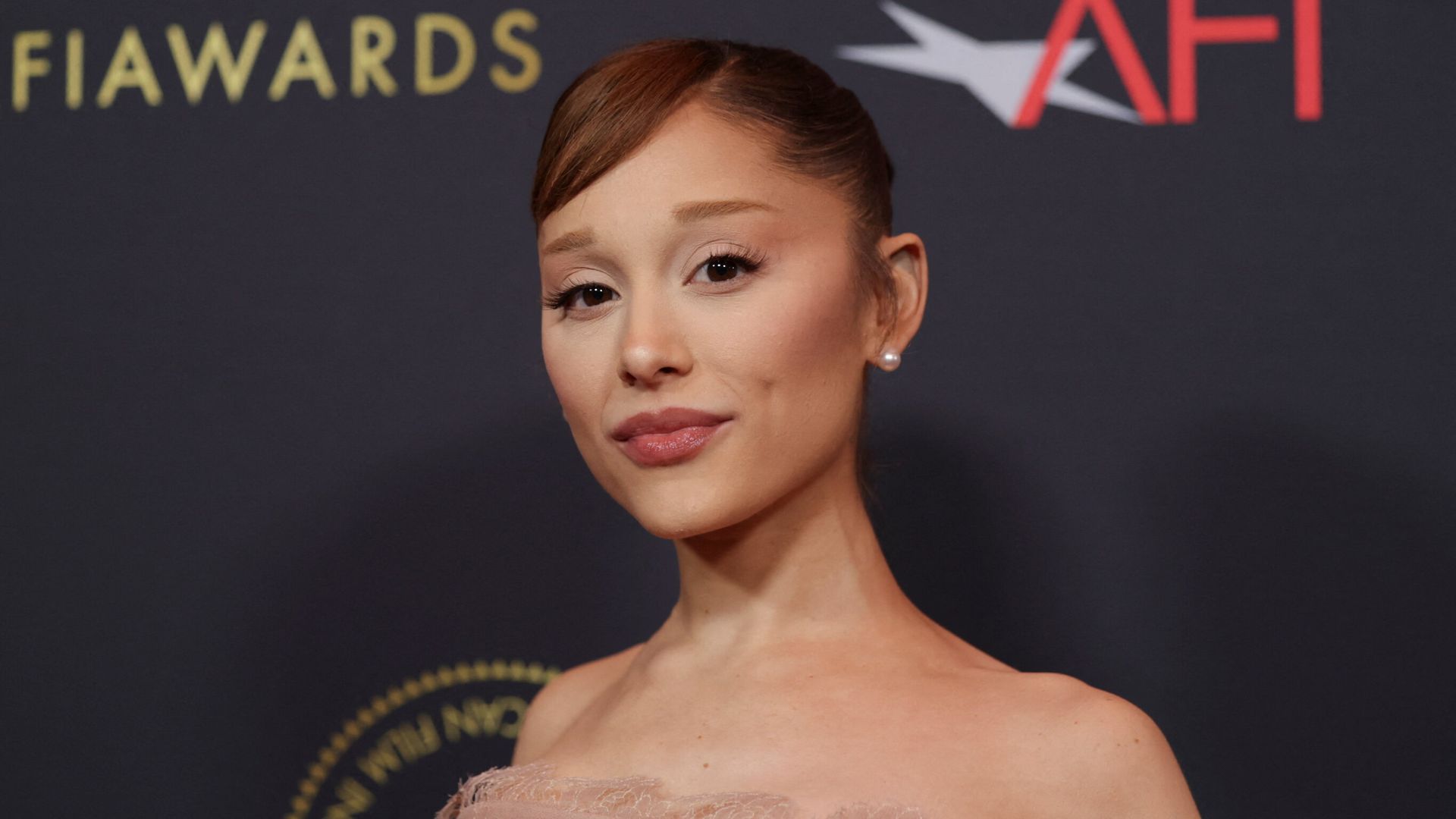
The headlines are writing themselves again. Pop culture commentary loves a tragedy narrative. The consensus says Ariana Grande is retreating because the noise got too loud, because the internet broke her, because the public microscope finally burned a hole through the pop star armor. It is a comforting narrative for observers who want to believe that fame is a cage from which nobody escapes intact. It paints the artist as a victim of her own success, seeking shelter from an endless barrage of public scrutiny.
It is also completely wrong.
Stepping back is not a surrender. It is a strategic reallocation of capital. In the attention economy, scarcity is the highest-yielding asset class you can hold. I have watched legacy acts and modern icons alike blow millions trying to stay overexposed, feeding the algorithmic beast until their brand equity flatlined into irrelevance. Taking a break when the heat is highest is not a retreat. It is market manipulation of the highest order.
The Myth of Perpetual Momentum
The industry runs on a factory model that demands constant output. Drop an album, launch a tour, drop a deluxe edition, star in a blockbuster, launch a makeup line, repeat until exhaustion. Analysts look at this conveyor belt and call it momentum. I call it dilution.
When every waking second of an artist's personal and professional life is broadcast, analyzed, TikTok-fied, and cross-examined, the marginal value of their presence approaches zero. Oversaturation destroys mystique. And in pop culture, mystique is the engine.
Grande has spent the last decade working at a breakneck pace. From Nickelodeon child star to multi-platinum global phenomenon to prestige movie musical lead, the output has been relentless. The mainstream take views her upcoming quiet period as emotional fatigue. Strip away the tabloid melodrama and look at the asset sheet. She owns the room. She dictates the scarcity.
When you control the supply, you control the price.
The Economics of Silence
Let us look at how attention actually converts to value. In traditional media strategy, presence equals relevance. That equation died the day algorithms began prioritizing fatigue over engagement. People do not want to love you harder because you are everywhere; they want a break so they can miss you.
Imagine a scenario where an artist vanishes for three years. No pap walks. No defensive social media posts. No promotional blitz. The vacuum left behind does not empty out. It fills with mythology.
Fans do not forget. They speculate. They mythologize. They create an idealized version of the artist that no real-time reality television appearance or red carpet interview could ever compete with. By stepping out of the spotlight, Grande is letting her audience do the marketing for her.
Critics call this avoidance. Professionals call it margin expansion.
Rewriting the Script on Public Scrutiny
The narrative that public scrutiny drives artists into hiding misunderstands the power dynamic entirely. High-profile celebrities do not accidentally stumble into media storms. They navigate ecosystems where controversy acts as oxygen. But there is a tipping point where low-quality attention—the tabloid churn, the endless speculative gossip about personal lives—crowds out high-quality attention—the art itself.
When the signal-to-noise ratio gets wrecked, the rational move is to cut the power.
Grande is not hiding from the internet. She is starving it. For years, the cycle has rewarded every single headline with a reactive pivot, a vocal defense, or a calculated album theme. By cutting off the supply chain of reaction, the public conversation starves. The gossip columnists lose their primary source material. The algorithm shifts to the next target.
And the artist? The artist goes underground to build the next monopoly.
Why the Critics Miss the Mark
The people writing the "step back" obituaries are viewing fame through a nineteenth-century lens. They think an artist needs to be seen to exist. They believe out of sight means out of mind.
They ignore the streaming era's most brutal truth: catalog is king, and active touring/promo cycles often cannibalize organic discovery. When an artist steps back, streaming numbers rarely crater. They stabilize. The core audience deepens their loyalty without the friction of daily PR missteps.
I have seen management teams panic over a six-month silence as if it were a death sentence. They throw cash at PR campaigns to stay relevant, terrified of the silence. That panic is amateur hour. Real power looks like letting them wonder where you went.
The Playbook for the Next Era
If you want to understand what comes next, stop looking at the gossip rags. Look at the balance sheet. Look at the intellectual property. Look at the beauty brands, the film adaptations, the back catalog rights, and the sheer gravity of a name that can drop a single sentence years from now and break the internet in half.
Grande is not a victim of the spotlight. She is the one holding the dimmer switch.
Stop reading the tragedy. Start watching the leverage.
The silence isn't empty. It's loaded.