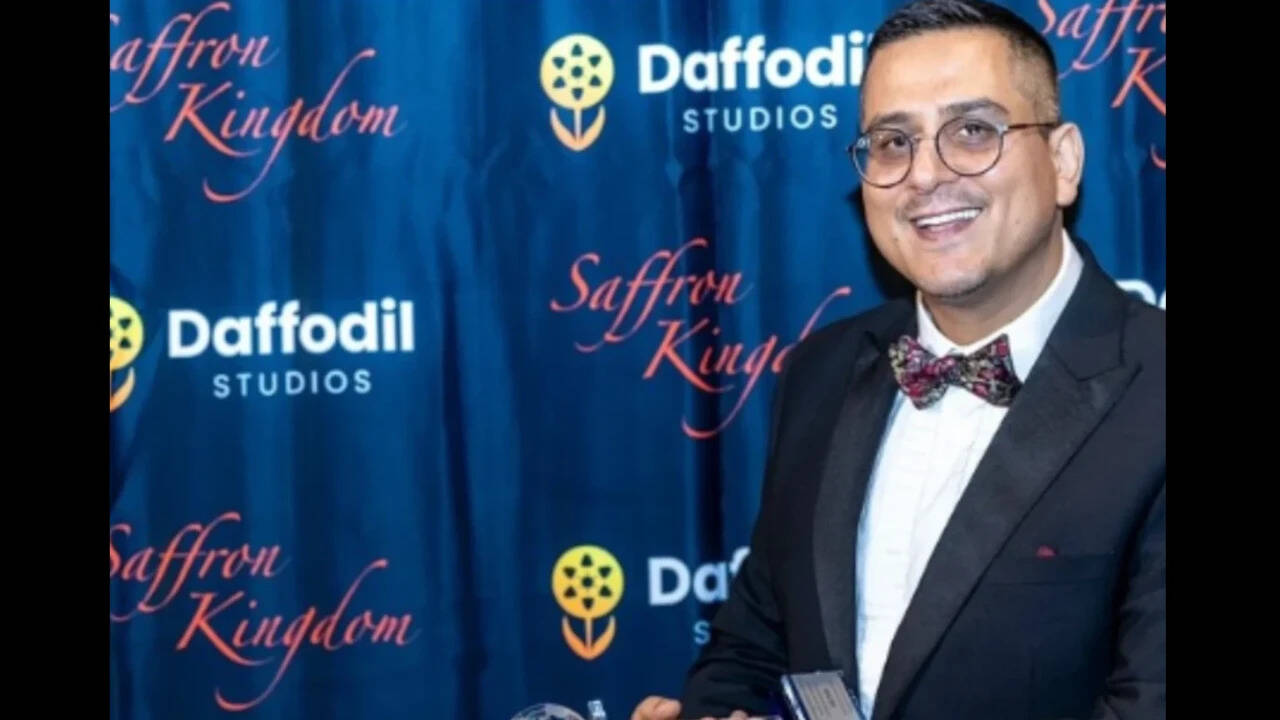
Award-winning Kashmiri filmmaker Arfat Sheikh walked out of a United States Immigration and Customs Enforcement detention center after a grueling two-week incarceration, but his temporary freedom underscores a much wider structural failure in American immigration enforcement. Sheikh, whose feature film Saffron Kingdom earned international acclaim for exploring conflict in his native region, was intercepted by plainclothes federal agents on a jetway at Washington Dulles International Airport.
For supporters and advocacy campaigns, his sudden seizure on September 24 was an alarming ambush. For the Department of Homeland Security, it was a straightforward enforcement action against someone who legally entered the country on a student visa but allegedly overstayed his lawful admittance.
The reality haunting this case is far more complicated than either narrative suggests.
Sheikh entered the United States lawfully to pursue graduate film studies at Georgia State University and later filed an application for asylum. In the complex labyrinth of American immigration policy, filing an affirmative asylum application places an individual into a protracted administrative queue. Years often pass between the initial filing and a final adjudication before an immigration judge. During this interim period, applicants frequently find themselves caught in a bureaucratic purgatory. They possess pending applications and temporary work authorization, yet they occupy a legally precarious status if their original non-immigrant visa expires before the immigration court reaches a verdict.
The Department of Homeland Security maintains a strict interpretation of this mechanism. Federal officials argue that a pending asylum application does not grant affirmative legal status to an individual whose original visa has expired. Critics, however, point out that weaponizing this administrative technicality against high-profile artists, activists, and foreign nationals creates a chilling effect.
The mechanics of Sheikh's arrest highlight aggressive enforcement tactics. According to statements from filmmaker Tara Dorabji, who was traveling with Sheikh at the time, plainclothes officers intercepted him on the aircraft's jetway without wearing official uniforms or initially presenting an arrest warrant. Such tactics rely on psychological disorientation, turning routine domestic travel within the United States into a high-risk venture for foreign nationals with unsettled immigration statuses.
While an immigration judge ultimately granted Sheikh a bond, allowing him to leave detention while his deportation proceedings move forward, his legal battle is far from over. The ongoing case serves as a warning beacon for thousands of foreign students, scholars, and artists who rely on the asylum system while navigating the expiration of traditional academic or vocational visas.
The system treats administrative backlogs as individual infractions, leaving creators and intellectuals vulnerable to sudden enforcement sweeps. As his deportation hearings proceed, the broader question remains whether immigration courts will weigh the systemic delays of the bureaucracy against the technicality of an expired visa, or if the legal machinery will continue to penalize individuals caught waiting on a broken queue.