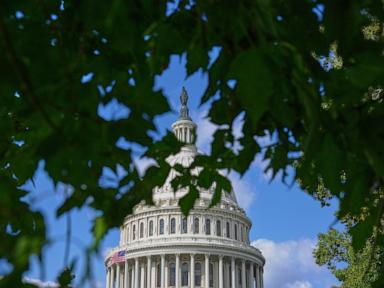
Ink is quiet. It stains cotton paper without a sound, soaking into the fibers until the declaration is permanent. On Capitol Hill, the ink was dry, but the machinery behind it rattled with the force of an oncoming freight train. The House of Representatives had just done something rare in an era defined by partisan gridlock: they moved with near-unanimous resolve to pass a sprawling sanctions package targeting Russia and Iran.
At the center of the legislative storm stood Senator Lindsey Graham, a political fixture whose voice often oscillates between Southern drawl and absolute, unyielding severity. For months, Graham and his allies had hammered away at a simple premise: that modern authoritarian regimes do not understand diplomatic waltzes; they understand heavy iron chains thrown across their economic gears.
Consider what this looks like on the ground, far away from the marble columns and vaulted ceilings of Washington.
Imagine a warehouse in the industrial outskirts of Tehran, smelling faintly of machine oil and stagnant water. Inside, a mid-level procurement officer stares at a requisition sheet for critical microchips and hydraulic valves. Six months ago, those parts flowed freely through a maze of shell companies spanning the Caspian Sea. Today, the names on the manifests are flagged. The wire transfers bounce back with algorithmic coldness. The bank accounts are locked. The machinery stops turning.
That is the intended anatomy of a sanction. It is not an explosion. It is a slow, methodical starvation of oxygen.
For years, the global financial system operated on a shared set of rules, an invisible plumbing that connected New York, London, Frankfurt, and Tokyo. When the United States and its allies decide to shut off sections of that plumbing, the shockwaves are felt in currency trading desks in Moscow and shipping lanes in the Persian Gulf. The House bill was designed to tighten those tourniquets, squeezing Russian energy revenues while slamming shut remaining loopholes that allowed Tehran to finance proxy networks across the Middle East.
Yet, policy papers and legislative text obscure a fundamental human truth: every economic blockade creates a desperate underground.
When legitimate trade channels close, illicit ones thrive. Smugglers do not retire; they adapt. They find new ports in smaller nations willing to look the other way for a steep markup. They trade in encrypted digital tokens, obscure barter agreements, and midnight ship-to-ship oil transfers in the dark waters of international shipping lanes.
This is where the grand strategy meets the messy reality of human ingenuity and greed. Senator Graham’s push, backed by a bipartisan coalition that sensed vulnerability in both adversaries, relies on the assumption that the financial grip will tighten faster than the underground can adapt. But history suggests a different rhythm. Every time a door is bolted from the outside, someone inside starts carving a tunnel.
Let us step back and look at the broader pattern. We have seen this script before. The twentieth century was littered with embargoes, blockades, and economic walls. Some toppled regimes; others merely entrenched them, forcing ordinary citizens to bear the cost of elite defiance while the ruling class insulated themselves behind walls of black-market luxury.
When a nation’s currency plummets, the elite do not eat less; they simply switch to foreign reserves. The baker down the street, however, watches his flour prices double overnight.
This is the invisible moral weight of legislative victories in Washington. When the House passes a sanctions bill with hundreds of votes, champagne glasses do not clink in celebration. Instead, somewhere in a quiet office, risk analysts begin recalculating shipping insurance rates, and diplomats in foreign capitals draft urgent cables warning of retaliation.
The political calculus in Washington was straightforward. With elections looming and global tensions at a multi-decade high, standing shoulder-to-shoulder against foreign adversaries offered rare political safety. To vote against sanctions on Moscow or Tehran was to invite immediate attack ads labeling one soft on national security. Graham understood this terrain intimately. He has spent decades navigating the shifting tides of American foreign policy, mastering the art of translating complex geopolitical threats into punchy, urgent soundbites that capture the television screen.
"We are running out of time to stop them," Graham had argued during closed-door strategy sessions, his cadence rising with familiar urgency. The argument was effective because it tapped into a deeper, pervasive anxiety in the American electorate: the fear that the post-Cold War order is unraveling at the seams, and that hesitation is fatal.
But passing a bill is only the prologue.
The real test of the legislation lies in its enforcement—a grinding, bureaucratic war fought by Treasury Department investigators, intelligence analysts, and international compliance officers who track shell companies through the Cayman Islands and Cyprus. It is a war fought not with missiles, but with spreadsheets, subpoenas, and frozen assets.
As the ink dries on the latest package, the consequences ripple outward in concentric circles. Energy markets jitter. Foreign ministries issue furious condemnations while quietly seeking workarounds. And somewhere in the vast, interconnected web of global trade, a cargo ship alters its course, turning away from a restricted port to seek a safer, darker harbor.
The machinery of statecraft rolls on, heavy, imperfect, and relentlessly ambitious, shaping the lives of millions who will never cast a vote in Washington, yet must live with the weather it creates.