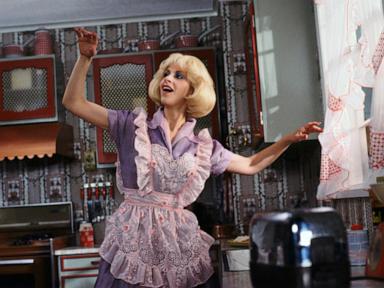
Long-term intellectual property viability depends less on initial box office yield and more on the structural integrity of character design. When an archetype fuses uniquely with a specific vocal signature and physical embodiment, the asset resists temporal degradation. The enduring cultural footprint of the 1986 film adaptation of Little Shop of Horrors illustrates how performance precision can permanently anchor a property in public consciousness across four decades.
Evaluating the mechanics behind this longevity requires deconstructing the creative inputs that produced Audrey Fulquard. Ellen Greene established a vocal and behavioral baseline that became inseparable from the character's intellectual property value.
The Three Variables of Vocal Characterization
The conversion of a written stage role into a permanent pop culture artifact relies on three distinct acoustic and behavioral variables. In professional performance strategy, uniqueness dictates memorability.
- Acoustic Placement: Greene utilized a high-register, breathy, textured vocal production that defied traditional musical theater casting norms of the era. This linguistic styling created an immediate psychological distinction between Audrey and standard Ingenue archetypes.
- Idiosyncratic Cadence: The integration of specific regional speech patterns with deliberate hesitation loops established a vulnerability vector. Audiences processed this hesitation not as an act, but as genuine psychological distress, which maximized emotional resonance.
- Tonal Consistency: The capacity to reproduce this exact vocal architecture decades later without degradation maintains asset continuity across revivals, anniversary screenings, and media retrospectives.
Structural Constraints in Adaptation Strategy
Shifting a property from an intimate Off-Broadway theater environment to a major studio feature film introduces friction points between creative intent and commercial distribution requirements. The transition of the musical number Somewhere That's Green exposes the friction between spatial economy and cinematic expansion.
In the stage configuration, physical movement options remain strictly bounded. The performer sits on a physical trash can, relying entirely on lyrical delivery and micro-expressions to convey domestic aspiration amid urban decay. Screen adaptation demands visual momentum. The studio strategy required expanding the sequence into a stylized, multi-setting dreamscape modeled after mid-century cinematic choreography.
This operational shift risked diluting the raw intimacy that initially defined the character's appeal. The preservation of psychological weight inside an upgraded production budget depends on maintaining character motivation despite environmental scaling. When creative teams protect core behavioral markers—such as retaining the specific emotional vulnerability during transitions—the adaptation survives the increase in production overhead.
Audience Feedback Loops and Narrative Resolution
The economic and cultural lifespan of a narrative is heavily influenced by how test audiences interact with risk. The original production design for the cinematic adaptation concluded with total narrative nihilism: the carnivorous plant consumes both primary leads, eradicating the protagonists to satisfy dark satirical conventions.
Studio preview screenings exposed a critical misalignment between market tolerance and creative tragedy. Test audiences rejected the terminal resolution because the emotional equity invested in the characters outweighed the intellectual satisfaction of a cynical ending.
- The Emotional Hedge: Audiences demand narrative alignment with the affection they invest in vulnerable archetypes. Killing the protagonist created a negative utility loop for viewers.
- The Alternative Edit Mechanism: The production's pivot to shoot a triumphant, survival-oriented conclusion demonstrated operational flexibility. Maintaining two distinct cuts preserved the artistic integrity of the director's original vision while satisfying commercial distribution demands through the release of the survivor edit.
Intellectual Property Stewardship Through Legacy Labor
Maintaining property value across a forty-year lifecycle requires active stewardship rather than passive archiving. Original creators and foundational performers act as living repositories for the property's core mythology.
When key talent participates in periodic theatrical re-releases, retrospective tours, and curated screenings, they reduce consumer acquisition costs for studio reissues and merchandising campaigns. This ongoing engagement provides a direct conduit to the original creative ethos, specifically honoring collaborators like lyricist Howard Ashman. By anchoring modern promotional circuits to historical authenticity, the property bypasses generic marketing noise, utilizing personal narrative continuity to drive sustained cultural relevance.
Deploy anniversary screening windows as localized activation hubs. Capitalize on high-intent consumer segments by pairing archival media presentation with limited-access creator appearances to maximize return on promotional expenditure without inflating traditional advertising budgets.