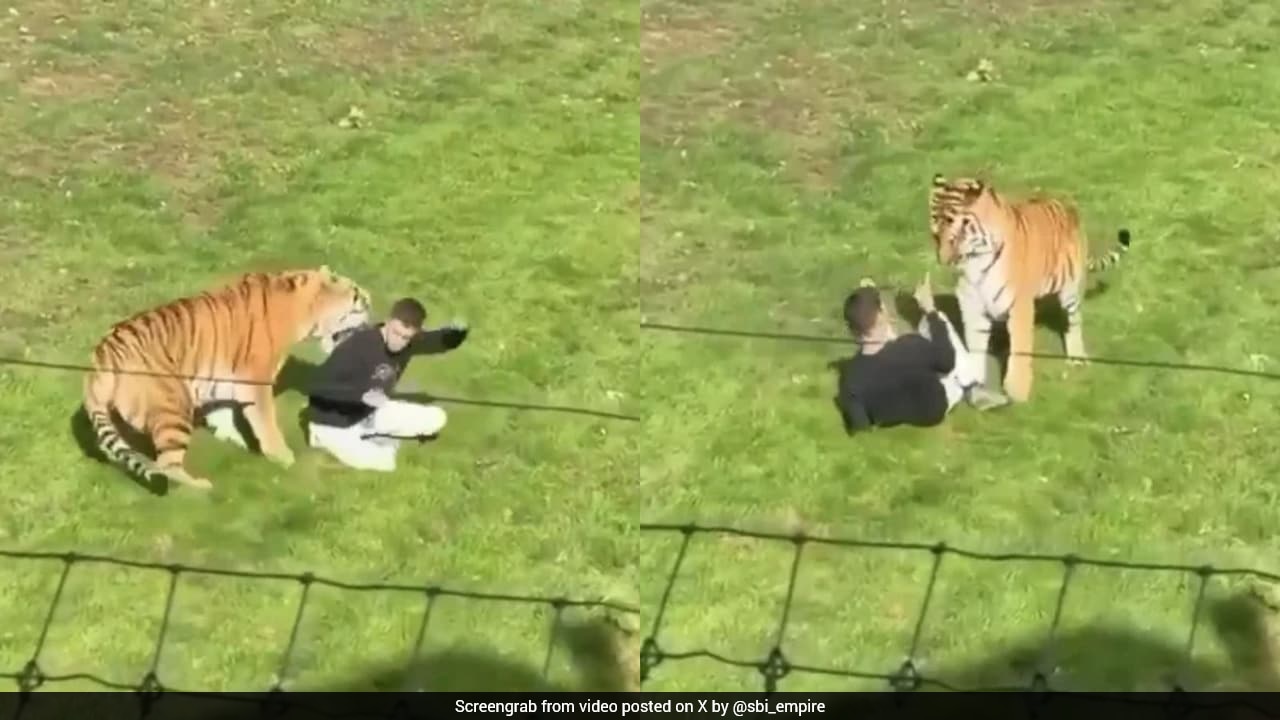
The decision by a British wildlife park to spare the life of a Siberian tiger that killed a keeper has reignited a fierce global debate regarding captivity protocols, institutional liability, and the inherent unpredictability of apex predators. When a Siberian tiger attacked and killed a staff member at Hamerton Zoo Park in Cambridgeshire, the immediate public cry often leans toward immediate euthanasia, driven by a visceral reaction to human loss. Yet, facility management and zoological authorities reached a different conclusion, confirming the animal would not be destroyed. This choice forces a hard look at how modern zoos balance animal welfare, legal liability, and the grim reality of human error within high-risk enclosures.
Accidents involving captive big cats rarely stem from a single catastrophic failure. Instead, they represent the tragic culmination of cumulative procedural drift, subtle lapses in protocol, and the sheer biological reality of housing an animal weighing upwards of 400 pounds with a bite force capable of crushing bone. Siberian tigers, or Amur tigers, are solitary apex predators shaped by millions of years of evolutionary pressure to hunt and survive in the harsh forests of the Russian Far East. Confining them behind chain-link fences and double-gate systems does not erase those instincts; it merely creates an artificial boundary that requires absolute, unyielding adherence to safety margins. When those margins vanish, disaster follows.
In the wake of such tragedies, the knee-jerk reaction from outside observers often demands the life of the animal. This retributive mindset assumes the tiger acted with malice, moral agency, or a calculated intent to commit a crime. Ethologists and zoo administrators know this view is scientifically bankrupt. Tigers do not harbor malice; they react to stimuli, territorial drives, and perceived threats or opportunities. Punishing an animal for executing its natural instincts after a human error has compromised a safety barrier accomplishes nothing other than compounding one tragedy with another.
Regulatory frameworks governing British zoos are among the strictst in the world, overseen by the Zoos Licensing Act 1981. Facilities holding dangerous wild animals must meet rigorous standards regarding containment, staff training, and emergency procedures. When an incident occurs, local authorities and the Health and Executive launch exhaustive investigations to determine whether corporate negligence contributed to the breach. If an enclosure meets all legal standards and the event is classified as an operational accident or human error, the burden of deciding the animal's fate falls back on the park directors and veterinary teams.
Opting against euthanasia shifts the focus entirely onto management practices and enclosure design. Keeping a tiger alive after a fatal attack requires specialized long-term containment strategies. Facilities must reassess interaction protocols, shifting toward strict protected contact systems where keepers never share the same unrestricted space with the animal. This operational philosophy removes the margin for human error entirely from the equation, ensuring that even if a lapse in judgment occurs, a physical barrier remains between staff and predator.
Critics of this approach argue that keeping a "man-killer" alive introduces unnecessary operational risks for staff and visitors alike. They point to historical precedents where big cats that have tasted human blood or breached barriers retain a heightened boldness toward human presence. However, modern zoological science suggests that captive tigers do not specialize in human prey the way injured or aging wild tigers sometimes do. Their behavior inside a controlled environment is dictated almost entirely by the immediate enclosure layout, feeding routines, and stress levels.
The economic and public relations fallout for a wildlife park following such an event is severe. Visitor numbers frequently plummet, insurance premiums spike, and public scrutiny intensifies to suffocating levels. Managing this crisis requires transparent communication, absolute cooperation with regulatory bodies, and a willingness to overhaul safety cultures from the ground up. Sweeping operational failures under the rug guarantees a repetition of the disaster.
Ultimately, the choice to spare the Hamerton tiger highlights a maturation in how society views captive wildlife incidents. We are moving away from the medieval practice of putting animals on trial for human mistakes. The responsibility remains squarely where it belongs: on the shoulders of the institutions that choose to bring apex predators into human spaces, demanding a standard of perfection that leaves zero room for compromise.