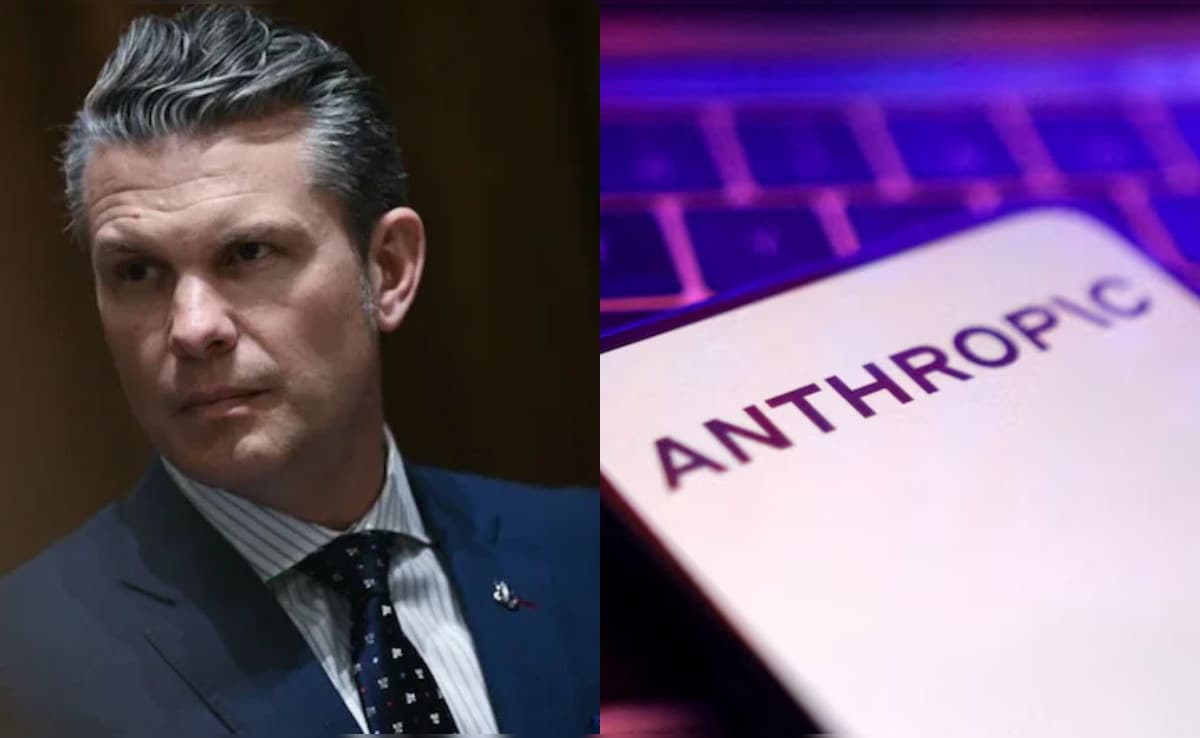
The Department of Defense just handed Anthropic a label that could derail its entire federal growth strategy. By designating the AI startup as a "supply-chain risk," the Pentagon has effectively put a yellow "caution" tape around one of the most sophisticated large language models on the planet. Anthropic isn't taking it lying down. They've filed a lawsuit that aims to strip away this tag, and the outcome will likely set the tone for how every other AI lab interacts with the U.S. government for the next decade.
If you've been following the AI arms race, you know Anthropic presents itself as the "safety-first" alternative to OpenAI. Their Claude models are built on "Constitutional AI," a framework designed to make the system's values explicit and steerable. Getting labeled a risk by the very military they're trying to assist is more than a PR headache. It’s a commercial roadblock.
The Pentagon's concern stems from Section 1260H of the National Defense Authorization Act. This list identifies "Chinese military companies" or entities with significant ties to foreign adversaries. While Anthropic is an American company based in San Francisco, the federal government’s lens for supply-chain integrity is becoming increasingly microscopic. They aren't just looking at where your headquarters are located. They're looking at who funded your early rounds, who sits on your board, and where your compute hardware comes from.
The Financial Web That Triggered the Pentagon
The core of the dispute likely traces back to the messy collapse of the crypto exchange FTX. Sam Bankman-Fried was an early, massive investor in Anthropic, pouring roughly $500 million into the company. When FTX imploded, those shares became part of a high-stakes bankruptcy proceeding.
Eventually, those shares were sold off to a group of investors, including some based in the United Arab Emirates. While the UAE is a U.S. partner, the Pentagon remains incredibly jumpy about any Middle Eastern sovereign wealth funds that have deep ties to Chinese tech infrastructure.
It’s a classic case of guilt by association. Anthropic argues that the "supply-chain risk" designation is arbitrary and lacks a factual basis. They’re claiming the DoD didn't follow proper procedure and failed to provide a clear explanation for why a company focused on "AI safety" is suddenly a threat to national security.
You have to look at the timing here. The U.S. government is terrified of "model weights" leaking to adversaries. If Claude 3.5 or its successors are used for sensitive military planning or code generation, the Pentagon wants absolute certainty that there’s no "backdoor" or foreign influence. Anthropic’s stance is that their internal security is already more rigorous than most traditional defense contractors.
Why This Lawsuit Actually Matters for the Rest of Silicon Valley
This isn't just about one company's hurt feelings. If the Pentagon can label a domestic AI leader as a risk without a transparent, contestable process, every startup in the valley is in trouble. Venture capital is global. It’s almost impossible to scale a massive AI company today without taking money that has some international footprint.
- Investment Chilling Effect: If a startup thinks taking foreign capital will get them banned from federal contracts, they'll stop taking it. That sounds good for "America First" policies, but it also limits the pool of capital available to fight off foreign AI competitors.
- The Transparency Gap: Anthropic is demanding to see the homework. They want the specific evidence the DoD used. If they win, it forces the government to be more surgical and less "vibe-based" with their blacklist.
- Standardizing Security: This case might force the government to actually define what "secure AI" looks like. Right now, the rules feel like they're being written on a cocktail napkin during late-night briefing sessions.
The Department of Defense often moves slowly, but when it moves, it’s a steamroller. By fighting back, Anthropic is trying to prove that their "constitutional" approach to AI makes them the most trustworthy partner available, not a liability. They’re basically saying, "We did the hard work of making AI safe, and now you're punishing us for it."
Breaking Down the Legal Strategy
Anthropic’s legal team is leaning heavily on the Administrative Procedure Act (APA). This is the standard "you can't just make up rules as you go" defense. They're arguing that the DoD's decision was "arbitrary and capricious."
In plain English? They’re telling the judge that the Pentagon didn't have a real reason, or if they did, they didn't explain it well enough for it to be legal.
The government's counter-argument usually involves "national security interests," a phrase that acts like a magic wand in court. Usually, judges are hesitant to tell the military who they can or can't trust. But when it involves a major American employer and a technology as vital as AI, the court might be less inclined to just give the Pentagon a free pass.
Honestly, the optics for the DoD are kind of bad here. They want the best AI. Anthropic has the best AI (or at least a top-three contender). By locking them out, the military might end up using inferior tech just because the paperwork was easier. That’s a recipe for falling behind in the global race.
What You Should Do If You Work in GovTech or AI
If you’re building a company or investing in this space, you can’t ignore the Anthropic case. It’s the blueprint for the friction we’re going to see for the next five years.
- Audit Your Cap Table: If you have more than 5% foreign investment from "countries of concern" or even neutral parties with ties to those countries, start preparing your security narrative now.
- Separate Commercial and Federal Infrastructure: Don't wait for a lawsuit. If you want government money, show them that your federal data stays on U.S. soil, managed by U.S. citizens, on "clean" hardware.
- Monitor the 1260H List: This isn't just a list for hardware companies anymore. It’s a list for software, models, and data providers.
The Pentagon needs to realize that AI isn't like a traditional fighter jet. You can't just build it in a vacuum. It’s part of a global ecosystem. If they keep using the "supply-chain risk" tag as a blunt instrument, they'll alienate the very innovators they need to keep the country safe.
Anthropic is essentially fighting for the right to be seen as a patriot while still operating as a global tech giant. It's a tightrope walk. If they win, expect a flood of other tech companies to challenge their own "risk" designations. If they lose, expect a massive fire sale of foreign-owned shares in U.S. AI companies as they scramble to get back into the Pentagon's good graces.
Watch the court filings over the next few months. The specific evidence—or lack thereof—presented by the DoD will tell us exactly how paranoid the government really is about the AI supply chain.