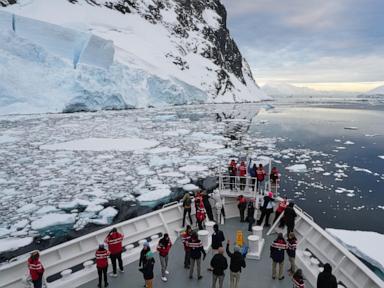
Antarctica isn't a bucket-list destination anymore. It’s a high-traffic zone. Last season, over 122,000 people made the trek to the bottom of the world. While you might see stunning photos of penguins and icebergs on your feed, the reality on the ground—and in the water—is getting messy. We're past the point of "leave only footprints." Today, tourists are accidentally bringing pathogens, seeds, and microplastics to the most fragile ecosystem on Earth.
If you think a vacuumed jacket and scrubbed boots are enough to keep the White Continent pristine, you're mistaken. The sheer scale of modern Antarctic tourism has outpaced the old rules. We aren't just visiting; we're changing the biological makeup of the continent in ways that might be permanent.
The Avian Flu Shadow Over the Ice
The biggest immediate threat isn't a shipwreck or a fuel leak. It’s a virus. Highly Pathogenic Avian Influenza (HPAI) H5N1 reached the Antarctic Treaty Area in early 2024, and by the 2025-26 season, it has become a logistical nightmare for tour operators. This isn't just about a few sick birds. We're talking about the potential for mass die-offs in colonies that have zero natural immunity.
When you land at a site like Cuverville Island, you're walking through penguin guano. Even with the best biosecurity protocols, the risk of cross-contamination between sites is massive. IAATO (International Association of Antarctica Tour Operators) has "hardened" their rules, but they rely on self-regulation. If one passenger skips the Virkon S footbath or hides a stray seed in their Velcro cuff, the damage is done.
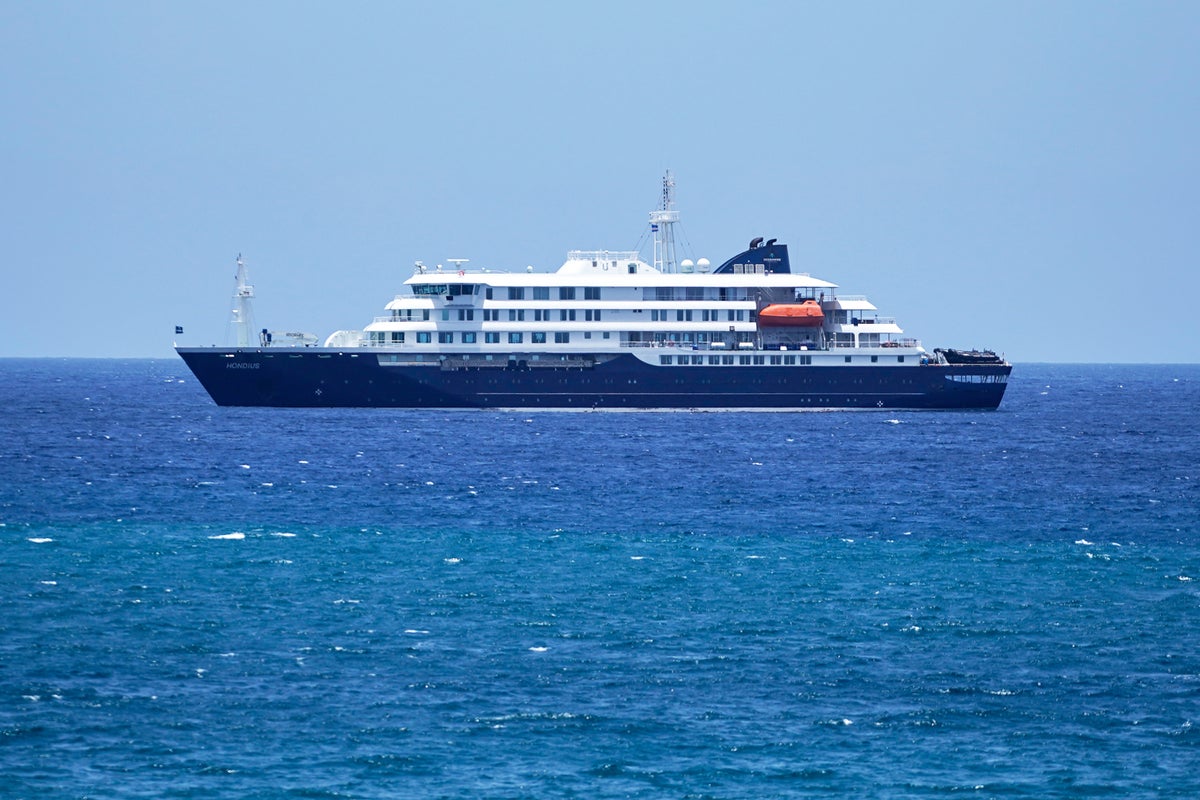
- The Hantavirus Scare: A recent outbreak on the MV Hondius served as a wake-up call. While the ship was cleared, it highlighted how easily pathogens can jump between humans and environments in cramped, high-end cruise quarters.
- Wildlife Stress: It’s not just about getting animals sick. The constant presence of "expedition" groups forces penguins to stay alert instead of nesting or feeding. Stress weakens immune systems, making them even more susceptible to the very diseases we might be carrying.
Microplastics and the Southernmost Insect
We used to think Antarctica was the ultimate "clean" lab. That's over. Recent studies from early 2026 have confirmed that Belgica antarctica, the continent’s only native insect, is now ingesting microplastics in the wild. This tiny midge is the tough guy of the Antarctic tundra, but it can't handle synthetic fibers.
Research from the University of Kentucky shows that midges eating these plastics have significantly reduced fat reserves. In a place where you need every calorie to survive the winter, that’s a death sentence. Where do these plastics come from? A lot of it is "laundry lint" from high-tech synthetic parkas worn by—you guessed it—tourists and researchers. Every time a ship’s greywater is discharged, even if treated, thousands of microfibers enter the water column.
Why the Antarctic Treaty is Failing
The Antarctic Treaty was signed in a different era. Back then, "tourism" meant a few dozen explorers on a rugged boat. It didn't envision mega-ships with 500+ passengers or "land-based" luxury camps.
The legal framework is slow. It’s reactive. Right now, there’s no hard cap on the total number of people allowed in Antarctica each year. It’s basically a first-come, first-served system for landing sites. While the Antarctic Treaty Consultative Meeting (ATCM) in 2025 discussed stricter regulations, the reality is that the "last chance tourism" surge is moving faster than the bureaucrats in Brussels or Hiroshima.
People are rushing to see the ice before it melts. Ironically, their very presence—the carbon footprint of the flight to Ushuaia, the heavy fuel oil of the ships, and the biological "hitchhikers" they bring—is accelerating the decline.
The Invisible Hitchhikers
You’d be shocked at what hides in a camera bag. "Alien" species are the silent killers of Antarctic biodiversity. It's estimated that the average tourist carries about 9.5 seeds on their clothing and equipment.
- Invasive Grasses: Poa annua (winter grass) has already established itself near research stations. It outcompetes native mosses and lichens.
- Microbial Shifts: We aren't just bringing seeds; we're bringing human gut bacteria. Studies have found E. coli and other non-native microbes in the soil near popular landing spots.
How to be a Responsible Traveler in 2026
If you're still planning to go, don't just trust the brochure. You have to be your own biosecurity officer. Honestly, most people are too relaxed once they get "the shot" for their Instagram.
- Check the ship’s tech: Only book with operators using Tier III engines and advanced wastewater treatment systems that specifically filter for microplastics.
- Velcro is the enemy: Seeds love Velcro. Inspect every inch of your gear with a needle or tweezers before you leave home and before every single landing.
- Respect the 5-meter rule: Don't be that person who inches closer for a selfie. In the age of avian flu, that extra meter could literally save a colony.
- Skip the "New" Gear: Don't buy a brand-new synthetic parka just for the trip. Use older, washed-out gear that sheds fewer microfibers, or better yet, rent from operators who use high-quality, pre-filtered gear.
The era of "innocent" Antarctic travel is over. If we want the White Continent to stay white, the industry needs a hard pivot from growth to preservation. Demand more from your tour operator than just a comfortable bed and a glass of champagne.