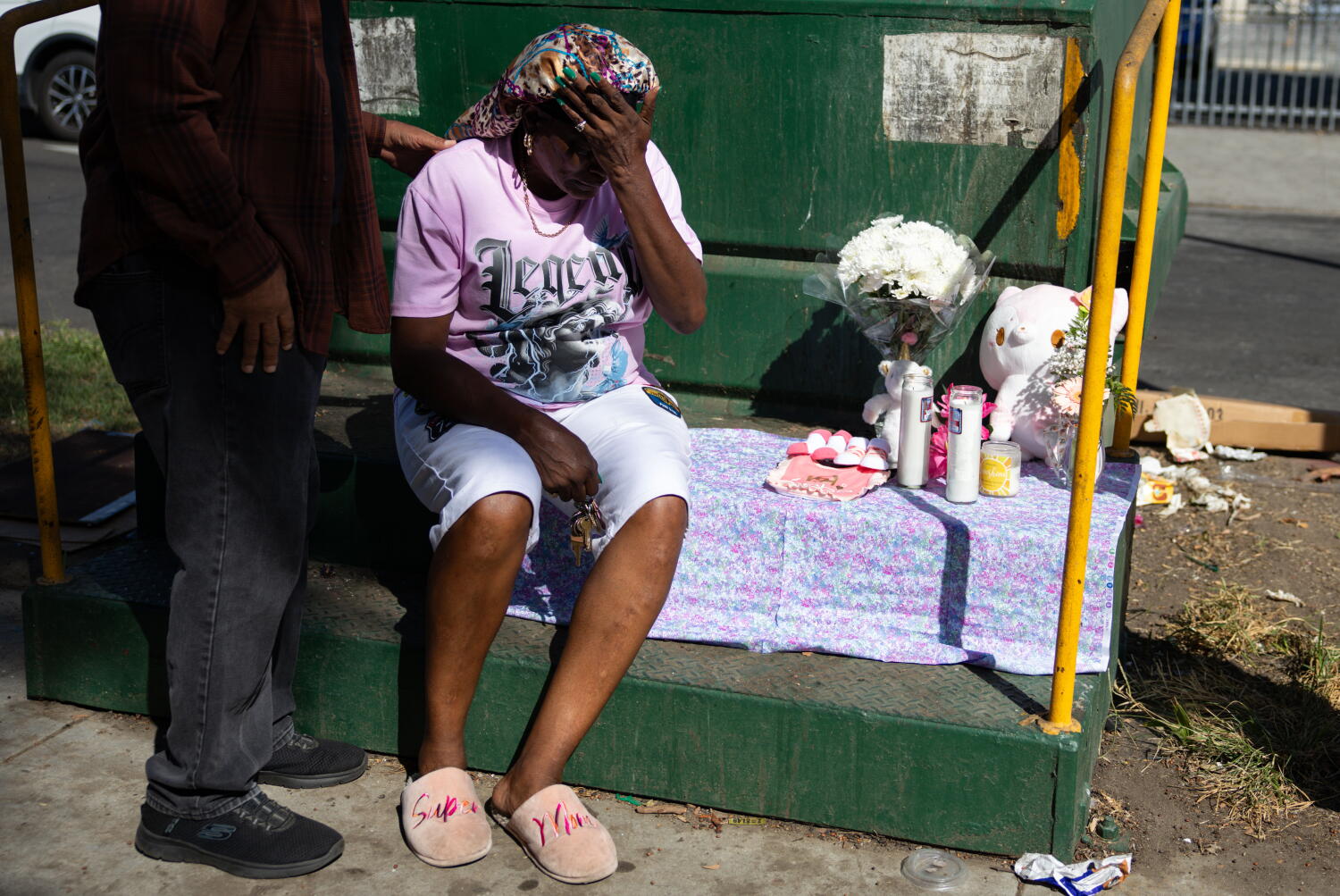
When an infant is discovered in a South Los Angeles dumpster, the collective shock of the city gives way to an immediate, numbing familiarity. Another headline. Another tragic erasure of a four-month-old life. The arrest of the mother for murder provides a swift judicial bookmark, but it acts as a narcotic against deeper inquiry. It allows the machinery of civic life to absolve itself.
The core reality is stark. A child was discarded in municipal waste, and a mother faces capital charges. Yet focusing solely on the individual pathology misses the systemic architecture that surrounds domestic crises in economically fractured neighborhoods. Los Angeles County Department of Children and Family Services records, law enforcement logs, and community health studies reveal a repeating pattern. The system does not break at the moment of tragedy; it frays across months of silent, underfunded neglect. For a deeper dive into similar topics, we suggest: this related article.
Emergency responders arriving at the scene on that grim day found a reality that defies routine reporting. Investigative journalism requires looking past the immediate booking sheet to examine the infrastructure of vulnerability. South Los Angeles faces systemic deficits in maternal mental health support, housing stability, and early intervention resources. When these safety nets fail, individual crises escalate into irreversible horrors.
The Burden of the Invisible Safety Net
To understand how a four-month-old infant ends up dead in a commercial bin, one must examine the state of social safety resources in the region. Caseworkers in Los Angeles County manage caseloads that routinely double recommended national standards. Understaffed offices and high turnover mean that warning signs go unaddressed. A family flagged for distress does not receive structured intervention; they receive administrative triage. For further information on the matter, comprehensive reporting can be read on USA Today.
Poverty compounds every other risk factor. Postpartum depression in resource-scarce environments rarely looks like a clinical diagnosis in a textbook. It manifests as exhaustion, isolation, and quiet desperation. Without accessible mental health infrastructure, mothers experiencing severe psychiatric distress or acute crisis find themselves entirely untethered.
Community advocates have spent decades documenting the gap between policy and practice. Funding announcements and emergency task forces make for compelling press conferences. They rarely translate to the door-to-press support required in marginalized zip codes.
Examining Institutional Blind Spots
Law enforcement agencies and social welfare systems operate in bureaucratic silos. Police departments respond to acute incidents with handcuffs and indictments. Social agencies attempt risk assessments with blunt instruments and incomplete records. Neither institution is built to intercept the slow-motion collapse of a household before violence occurs.
Consider how reports of neglect or family distress are handled. A call to an emergency hotline triggers a mandated response, but the quality of that response depends entirely on postal codes and available staffing. In affluent neighborhoods, private resources, family networks, and responsive local services buffer against catastrophe. In South Los Angeles, those buffers are frequently absent or overextended.
When a mother is charged with the murder of her infant, the public narrative hardens into moral condemnation. Condemnation is easy. It requires no structural reforms, no budget reallocations, and no honest accounting of institutional failure.
The Reality of Accountability
True investigative analysis demands that we hold both truths simultaneously. An individual perpetrator bears the direct responsibility for a horrific act of violence against a defenseless child. At the same time, the society that permits extreme isolation, chronic under-resourcing of mental health care, and fractured social services shares in the moral burden of the outcome.
Until municipal priorities shift from reactive punishment to proactive community stabilization, these headlines will recur. The dumpster in South Los Angeles was the final stop on a route paved by institutional indifference.
The legal process will proceed through arraignment, trial, and sentencing. The courtroom will assign guilt and mete out retribution. Meanwhile, the conditions that allowed an infant to slip entirely through the cracks of a major American metropolis remain entirely unchanged, waiting for the next quiet emergency to surface.