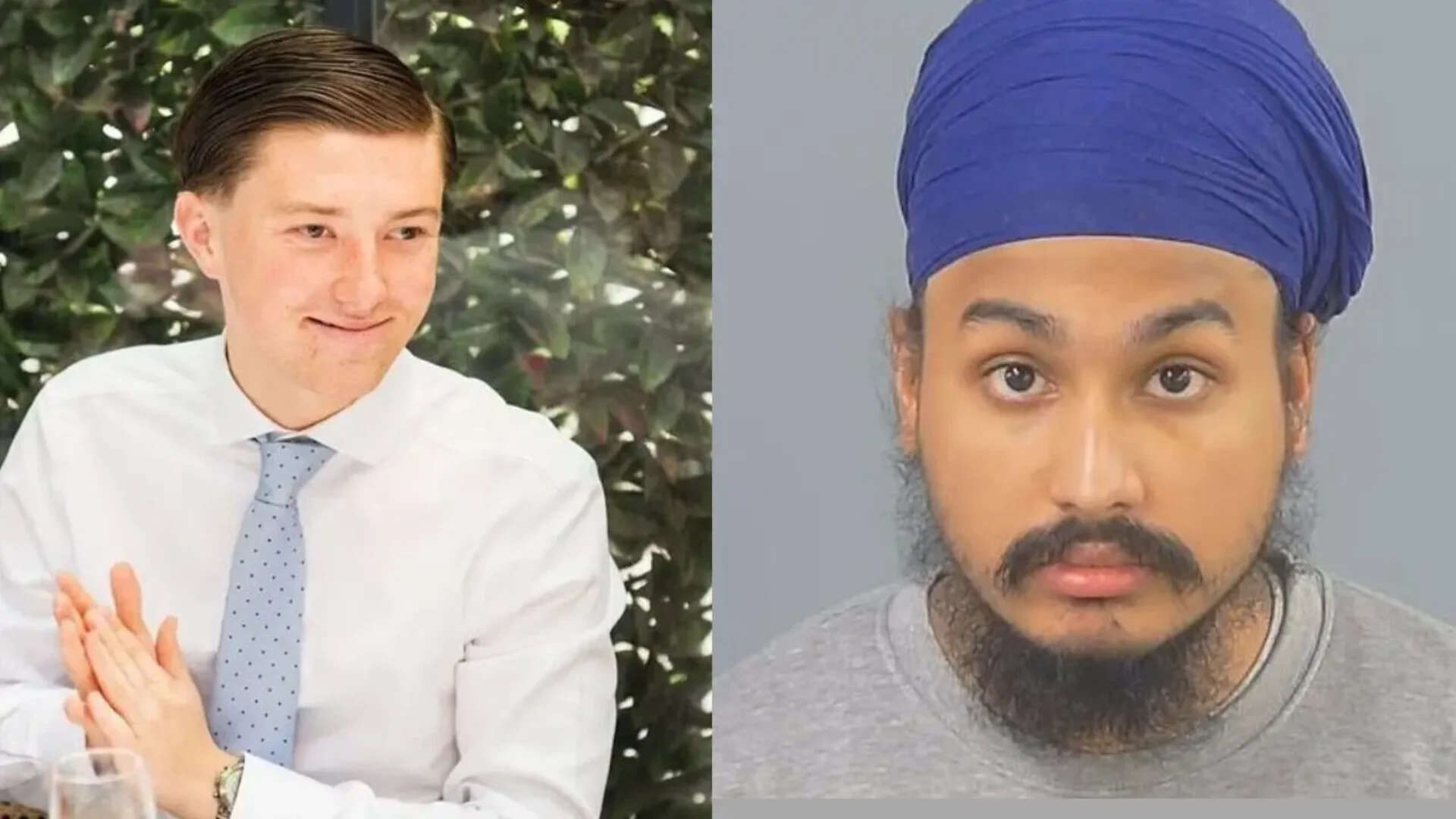
The air in Southampton on a crisp afternoon carries the sharp, briny scent of the Solent. It is a city of transit, of ships slipping out to sea and students rushing toward futures they are only just beginning to map out. Henry Nowak was one of those students. At eighteen, his map was blank, wide open, and filled with the ordinary, beautiful potential of youth.
Then, the map was torn to pieces.
We often treat true crime as a series of sterile bullet points. We look at the court dates, the sentencing guidelines, and the names of the weapons used. But a courtroom timeline is just a skeleton. It misses the meat of the tragedy. It misses the echo of footsteps on pavement, the sudden flash of steel, and the permanent silence that follows. To understand what happened to Henry Nowak, we have to look past the legal jargon and confront the sheer, terrifying fragility of an ordinary day.
The Collision of Two Universes
Picture a Tuesday. It is a day of routine. For most of us, routine is a safety net. For Henry, it was simply the backdrop of a life being lived. He was navigating the early stages of adulthood, a period defined by low-stakes decisions about lectures, grocery lists, and weekend plans.
Vickram Digwa moved through the same city, but his world was governed by a radically different friction. When two such entirely different trajectories collide, the impact shakes an entire community. Digwa was carrying a Sikh dagger, known traditionally as a kirpan. In its proper cultural and religious context, the ceremonial blade is a symbol of defense, honor, and grace. In the hands of a man consumed by a sudden, violent impulse, it became something else entirely.
It became an instrument of theft. Not just the theft of a life, but the theft of every potential version of Henry that would now never exist.
The confrontation itself lasted only moments. That is the most horrifying element of these events. Speed. A life takes eighteen years of nurturing, of scraped knees, of birthday cakes, of late-night conversations and parental worry, to build. It can be dismantled in less than sixty seconds. The street did not stop moving. The traffic kept humming. But in that singular pocket of space, time fractured.
The Metric of Grief
When a young life is cut short, the immediate aftermath is loud. There are blue lights, sirens, and the yellow tape that turns a familiar sidewalk into a forbidden zone. But the true weight of the event sets in during the quiet months that follow.
Consider the math of a tragedy. The courts measure justice in years. Life sentences. Minimum tariffs. Parole eligibility dates. They calculate these numbers using legal precedents and statutory frameworks, trying to find a numerical equivalent to a catastrophic loss.
But how do the people left behind measure it?
They measure it in the empty chair at the dinner table. They measure it in the birthday cards that will never be bought, the text messages that will remain unread, and the heavy, suffocating silence of a bedroom that remains exactly as it was on the morning of the attack.
During the trial, the details emerged with a clinical rigor. We learned about the movements of the defendant, the arguments presented by the prosecution, and the defense's attempts to mitigate the gravity of the act. The legal machinery did what it was designed to do. It processed a horrific act of violence and produced a verdict. Vickram Digwa was sentenced to life in prison.
The gavel fell. The public gallery cleared out. The reporters filed their copy.
But justice, even when fully served, is not a cure. It is a boundary marker. It says, this behavior is intolerable, and the price has been paid. It does not bring Henry back. It does not patch the hole left in the fabric of his family.
The Weapon and the Symbol
The case raised uncomfortable, complicated questions that extended far beyond the borders of Southampton. When a traditional cultural object is used in a crime, it creates a ripple effect of misunderstanding and pain.
To explain this simply, consider the difference between a tool and its intent. A hammer can build a home, or it can destroy. The kirpan carries deep spiritual significance for millions of people worldwide, representing a commitment to fight against injustice. The tragedy of this case is twofold: a young man lost his life, and a symbol of protection was twisted into a weapon of senseless destruction.
The community was left to grapple with this duality. It forced a conversation about safety, knife crime, and the invisible dangers that walk our streets under the guise of normalcy. We want to believe that violence is a distant anomaly, something that happens elsewhere, to other people. This case reminded everyone that the line between safety and danger is often as thin as a blade.
The Echoes on the Pavement
Walk down that same Southampton street today, and you might not notice anything unusual. The pavement has been washed clean. The floral tributes that once marked the spot have faded and been removed. The city has done what cities always do: it kept moving.
But the people who knew Henry cannot simply move on. For them, the timeline did not end with the judge's sentencing remarks. Their timeline is a continuous, looping reel of what ifs. What if he had taken a different route home? What if he had been five minutes later? What if someone had intervened?
These are the questions that haunt the human heart because they have no answers. The reality is stubborn. It refuses to bend to our desires for a different outcome. Henry Nowak is gone, and Vickram Digwa will spend the prime of his life behind bars, staring at the walls of a cell, left alone with the permanent consequence of a single, terrible choice.
We look for meaning in these stories because the alternative—that the world can be random and cruel—is too difficult to bear. We want a lesson. We want a takeaway that makes us feel safer when we lock our doors at night.
Perhaps the only real insight we can glean is a renewed appreciation for the ordinary. The mundane routines we so often complain about—the commutes, the chores, the predictable conversations—are actually the most precious things we own. They are the evidence of a life uninterrupted. Henry Nowak was denied the right to grow old, to make mistakes, to change his mind, and to experience the slow, beautiful grind of a normal existence.
The court case is closed. The logs are archived. But on a quiet evening, when the wind blows off the water and the streetlights flicker to life, the memory of an eighteen-year-old boy remains, a silent reminder of how quickly the light can vanish.