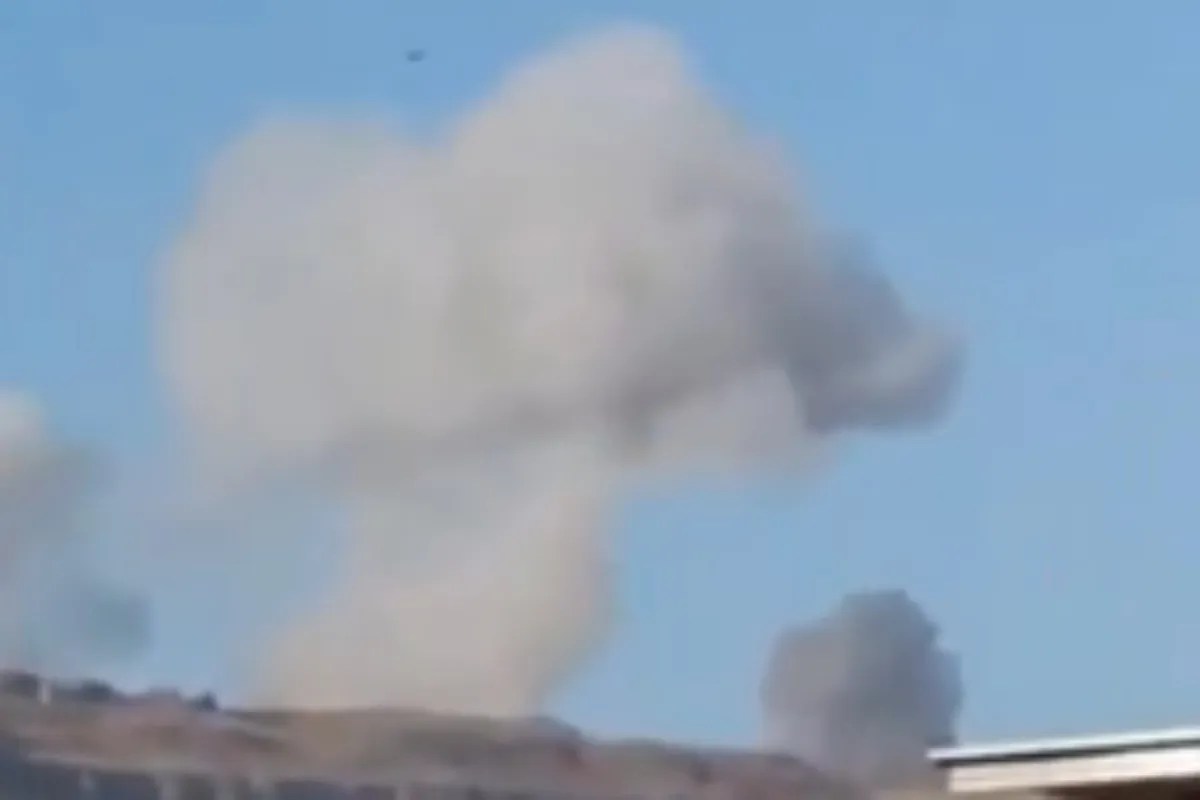
Military strikes targeting oil infrastructure near the Red Sea and inland positions in Yemen represent a calculated shift from attrition warfare to economic chokepoint interdiction. When Saudi forces execute airstrikes on hydrocarbon facilities along the Yemeni coastline—historically centered around strategic terminals like Ras Isa or Hodeidah—the immediate objective is rarely total infrastructure annihilation. The operational goal is to degrade the adversary's revenue-generating capacity and disrupt maritime logistics without triggering an irreversible environmental or global supply shock. Understanding this dynamic requires separating tactical kinetic execution from the broader macroeconomic deterrence calculus governing the Arabian Peninsula.
The Mechanics of Maritime Chokepoint Deterrence
The Red Sea corridor functions as a high-density artery for global trade, linking the Indian Ocean to the Mediterranean via the Bab el-Mandeb Strait. Any military action near oil ports along this littoral zone directly alters the risk premium for commercial shipping and regional energy security. Standard media reporting often frames airstrikes on port facilities as isolated retaliatory events. A rigorous geopolitical assessment reveals them as nodes in a continuous escalation ladder.
To analyze the strategic utility of striking coastal oil infrastructure, operations planners evaluate three primary variables:
- Revenue Interdiction: Controlling a port allows non-state actors or rival factions to extract customs duties, fuel import taxes, and illicit smuggling rents. Disabling offloading cranes, storage tank farms, or pipeline manifolds cuts off liquid capital faster than ground blockades.
- Logistical Denial: Fuel is the foundational input for mechanized warfare, drone launches, and missile transport. Degrading port storage capacity forces the adversary to rely on overland smuggling routes, which are significantly slower, more expensive, and vulnerable to aerial surveillance.
- Signaling Thresholds: Striking a dual-use facility—such as an oil terminal that serves both civilian energy needs and military logistics—sends a calibrated warning. It demonstrates the capability to impose severe economic pain while preserving the option to escalate to total blockade conditions if diplomatic demands remain unmet.
The limitation of kinetic port interdiction lies in its diminishing returns. Once fixed infrastructure like automated pumping stations and deep-water berths are damaged, adversaries rapidly decentralize. Fuel distribution shifts from centralized tank farms to dispersed, mobile tanker networks and subterranean bladders, rendering subsequent high-cost airstrikes less efficient per munition expended.
Deconstructing the Dual-Theater Strike Architecture
Simultaneous aerial operations targeting coastal oil terminals and inland Yemeni positions reflect an integrated suppression doctrine. Executing strikes across two distinct geographic zones—the littoral periphery and the mountainous interior—forces the defending force to split its air defense assets and repair crews.
In the coastal theater, the operational focus is precision containment. Modern precision-guided munitions allow air forces to target specific sub-components of an oil facility, such as power generation units or loading arms, rather than igniting massive crude oil reserves. Igniting primary storage tanks creates thick plumes of black smoke that obscure satellite reconnaissance and draw intense international diplomatic backlash due to humanitarian and ecological fallout. Precision targeting keeps the facility offline while minimizing collateral optical damage.
In the interior theater, airstrikes target the military-industrial tail: ballistic missile assembly workshops, drone storage bunkers, and radar installations. The cause-and-effect relationship between these two theaters is direct. Coastal strikes starve the interior of fuel and hard currency, while interior strikes degrade the retaliatory capabilities that the adversary would otherwise use to strike back at Saudi Arabian energy infrastructure, such as facilities in Abqaiq, Yanbu, or Jizan.
Asymmetry in Infrastructure Vulnerability
A critical blind spot in conventional coverage of Red Sea hostilities is the structural asymmetry between the combatants' energy assets. Saudi Arabia operates a highly centralized, capital-intensive hydrocarbon network designed for maximum export efficiency. Mega-projects, massive desalination plants, and integrated petrochemical complexes represent high-value, stationary targets. Protecting this infrastructure requires continuous, multi-layered air defense expenditures using advanced interceptor missiles that cost orders of magnitude more than the drones or ballistic missiles used to threaten them.
Conversely, forces operating in Yemen utilize decentralized, low-capital logistics. When an oil port in Yemen is struck, the immediate economic disruption falls heavily on local fuel distribution and humanitarian import corridors, yet the military apparatus adapts quickly due to lower baseline energy requirements.
This asymmetry creates a persistent strategic dilemma:
- High-Cost Defense vs. Low-Cost Offense: Every offensive airstrike conducted by a conventional air force incurs high operational costs—flight hours, aerial refueling, precision munitions, and intelligence, surveillance, and reconnaissance (ISR) support.
- Escalation Dominance vs. Economic Exposure: While a state actor possesses overwhelming conventional air superiority, its own economic crown jewels remain exposed to asymmetric retaliation. A single successful drone strike on a major export terminal can temporarily spike global Brent crude futures, imposing an immediate financial penalty on the state actor's broader economic diversification plans.
- Humanitarian Friction: Because Yemen relies heavily on maritime imports for basic commodities and fuel, strikes on Red Sea ports immediately trigger international scrutiny. Diplomatic pressure from global powers seeking to prevent famine or maritime shipping disruptions frequently forces a premature halt to kinetic campaigns before strategic objectives are fully secured.
Supply Chain Second-Order Effects
When military kinetic activity flares near Red Sea oil ports, the shockwaves propagate through maritime insurance markets long before physical supply deficits materialize. War risk underwriters reassess transit premiums for vessels operating in the southern Red Sea and the Gulf of Aden within hours of confirmed strikes.
The immediate operational consequences for commercial shipping include:
- Insurance Surcharges: Hull and machinery war risk premiums spike, increasing the landed cost of both crude oil and containerized goods transiting the Suez Canal.
- Routing Delays: Commercial operators frequently hold vessels in safe anchorages outside the Bab el-Mandeb Strait until threat assessments stabilize, creating artificial congestion and disrupting just-in-time delivery schedules in European and Asian ports.
- Bunkering Shifts: Ships alter refueling schedules, bypassing Red Sea bunkering hubs in favor of ports in Fujairah or Salalah, which redistributes regional maritime service revenues.
These market reactions occur independently of actual physical damage to global oil supply. Even if the targeted Yemeni port handles zero global crude exports—functioning solely as an import terminal for domestic fuel—the proximity of aerial bombardment to international shipping lanes triggers automated risk-mitigation protocols across global trading desks.
Strategic Calculus and Operational Constraints
Evaluating the long-term efficacy of airstrikes on Red Sea energy infrastructure requires applying basic game theory to regional deterrence. In repeated-play scenarios, kinetic strikes only alter adversary behavior if the cost imposed exceeds the political or strategic value of the adversary's ongoing operations.
If the targeted faction views control over Red Sea coastlines and the ability to threaten maritime transit as its primary source of geopolitical relevance, aerial bombardment alone will not compel capitulation. Instead, strikes serve as a temporary suppressive measure—buying time, degrading immediate operational tempo, and reinforcing red lines during stalled diplomatic negotiations.
Furthermore, intelligence blind spots frequently limit the precision of damage assessments. While satellite imagery can confirm structural damage to a pier or storage tank, assessing the true impact on an adversary's fuel reserves requires human intelligence and signals interception. Adversaries routinely employ deception tactics, such as staging mock damage or utilizing underground storage facilities built into coastal terrain, to mask their actual logistical resilience.
Tactical Directives for Risk and Operations Management
For maritime operators, energy traders, and regional security analysts tracking Red Sea kinetic events, reactive decision-making leads to capital erosion. Institutional positioning must be anchored in structural indicators rather than headline volatility:
- Monitor Maritime AIS Anomalies Over News Cycles: Track Automatic Identification System (AIS) transponders for commercial tankers approaching Hodeidah and Ras Isa. Sudden deviations in vessel holding patterns or abrupt drops in port call frequency provide earlier, more accurate indicators of impending kinetic activity than diplomatic statements.
- Hedge Short-Term Freight and War Risk Exposure: Energy and logistics firms operating in the Middle East must lock in multi-week war risk insurance riders during periods of diplomatic stalemate, as premiums reprice instantaneously once airstrikes commence.
- Differentiate Export vs. Import Infrastructure Damage: Do not conflate strikes on Yemeni import terminals with threats to global crude supply. Unless retaliatory strikes directly target major Saudi export terminals on the Red Sea coast—specifically Yanbu—or disrupt tanker transit through the Bab el-Mandeb, crude price spikes driven by Red Sea airstrikes represent short-term speculative overreactions that should be faded rather than chased.
- Prepare for Asymmetric Retaliation Windows: Establish a 72-to-96-hour heightened alert window following any confirmed coalition airstrike on Yemeni coastal assets. Historical operational patterns demonstrate that retaliatory drone and missile launches targeting regional energy infrastructure cluster within this specific temporal window before air defense postures fully adapt.


