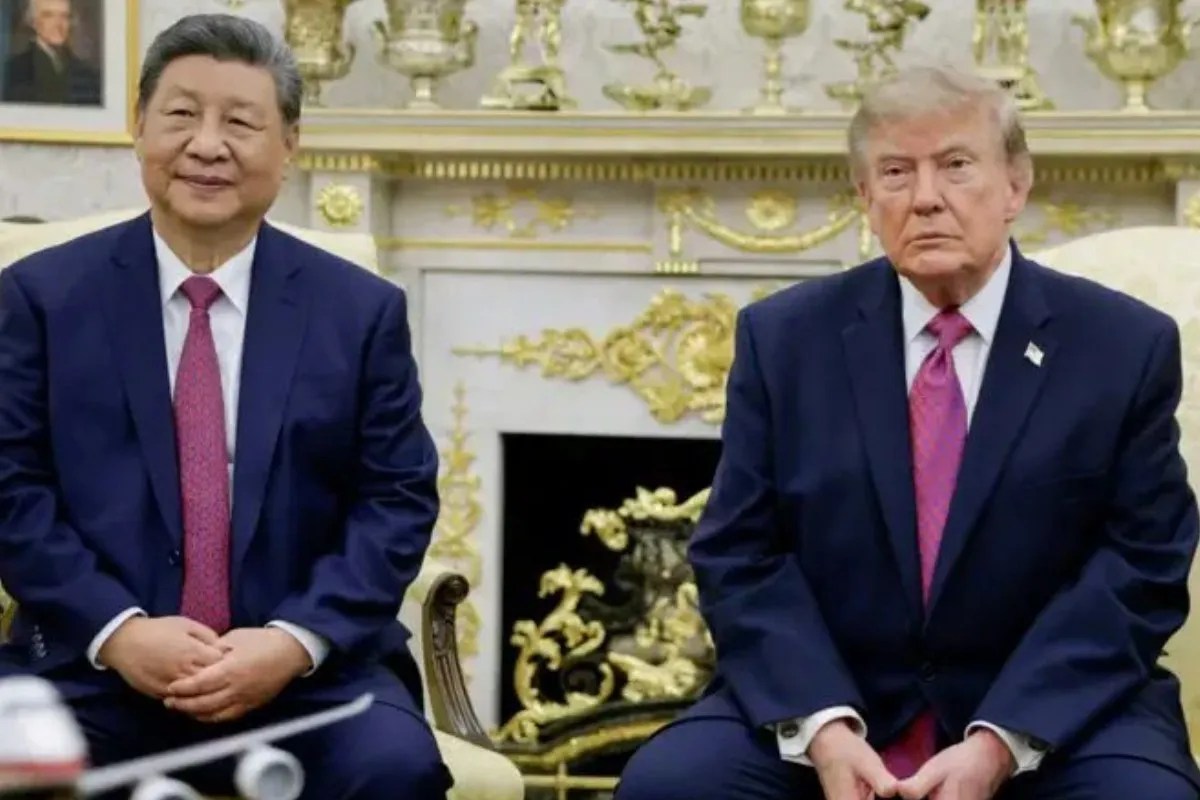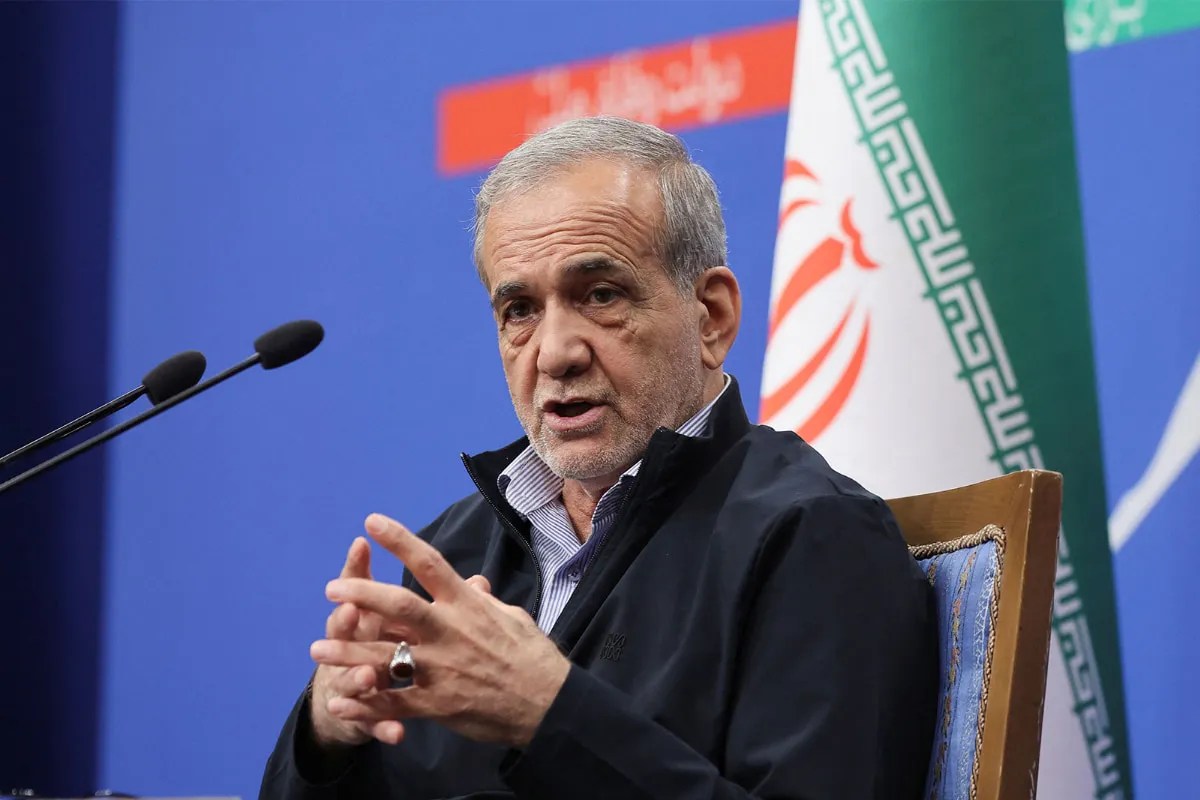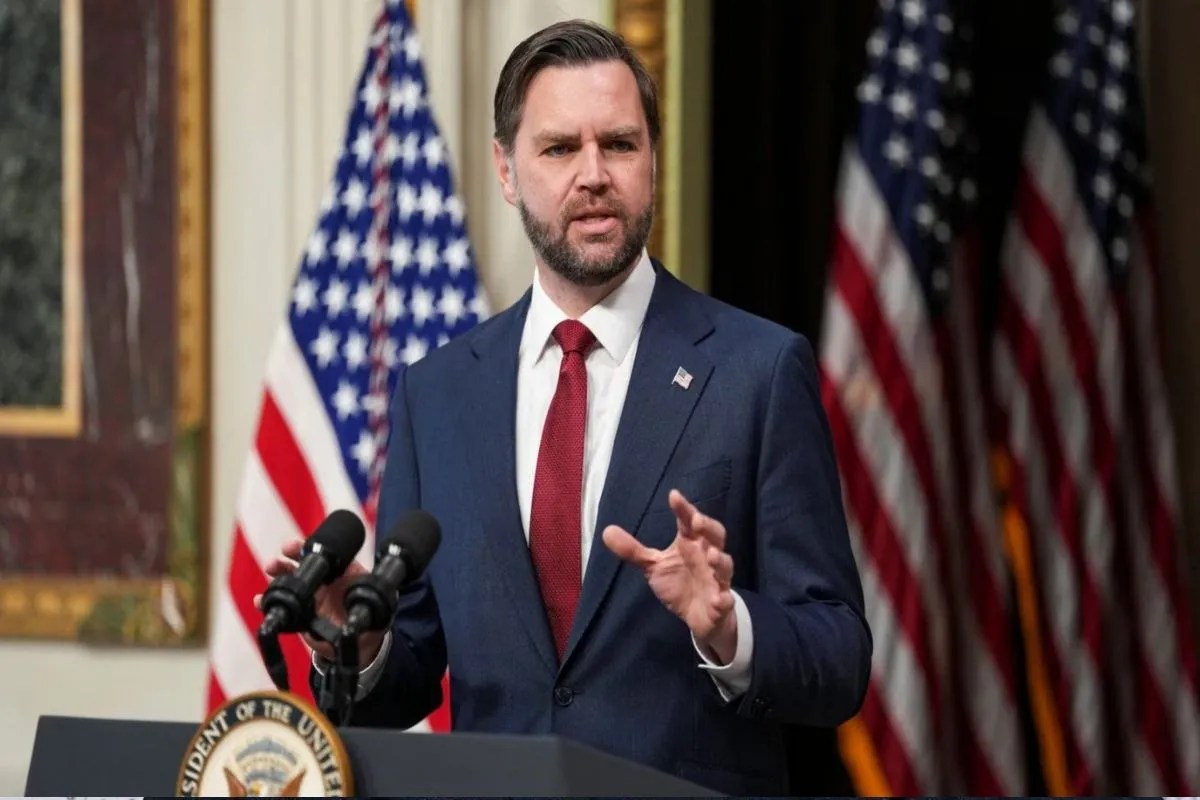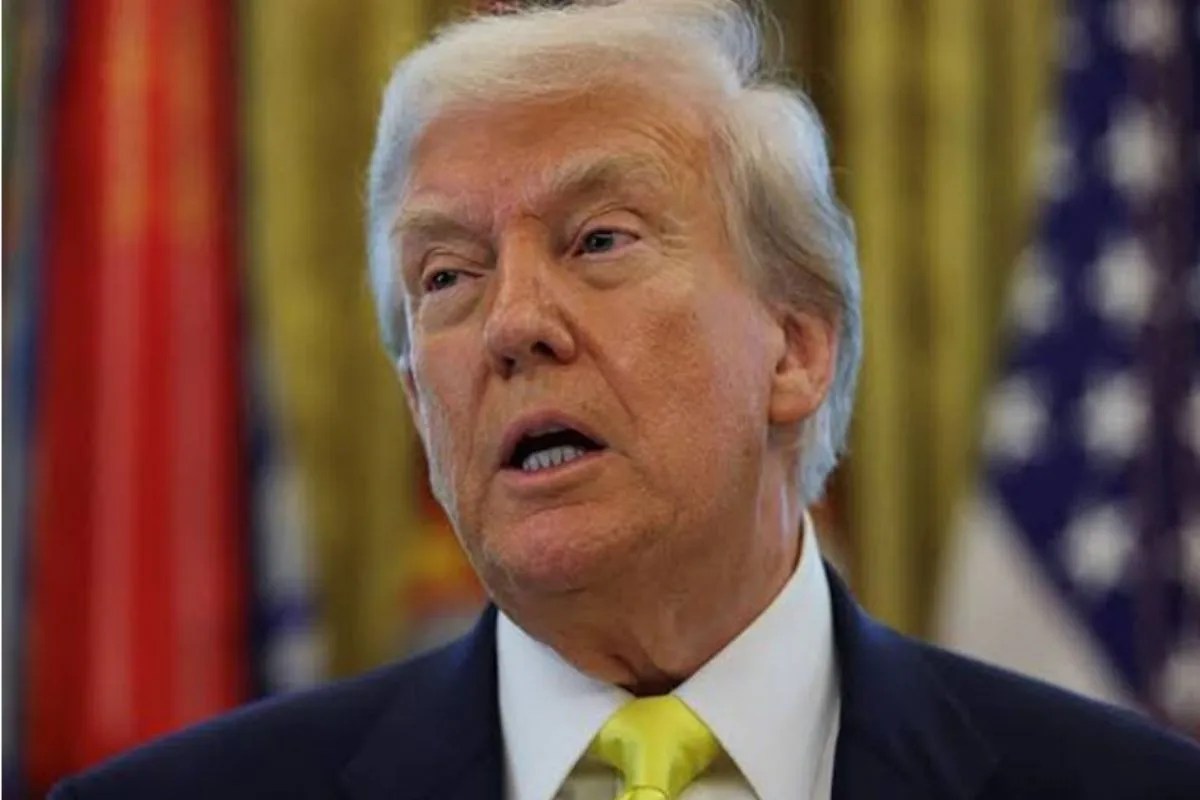
Claims of decisive foreign influence in domestic elections require separating political rhetoric from structural voting mechanics. Following the October 2026 Israeli parliamentary election, U.S. President Donald Trump asserted via Truth Social and in remarks to reporters that his late-stage endorsement reversed a projected defeat for Prime Minister Benjamin Netanyahu, shifting the race toward a tie or a narrow victory. Evaluating this claim demands examining the actual seat distribution in the 120-member Knesset, the institutional threshold rules governing Israeli party survival, and the divergence between executive rhetoric and formal U.S. diplomatic messaging.
The Attribution Mechanics of Foreign Endorsements
In political communications, claiming credit for a narrow electoral outcome operates on a post-hoc attribution model: an external actor issues a public signal prior to voting, and any subsequent overperformance relative to baseline polling is attributed directly to that signal. Ahead of the October 27, 2026 vote, President Trump issued what he termed a "Complete and Total Endorsement" of Netanyahu, urging Israeli voters to re-elect the prime minister to maintain joint security initiatives, specifically regarding Iran. Netanyahu subsequently amplified this endorsement in televised campaign messaging.
Once preliminary returns indicated that Netanyahu’s right-wing and religious bloc was performing better than pre-election projections suggested, Trump shared commentary on Truth Social stating that "the whole tide turned" upon his endorsement, converting an expected loss into a competitive deadlock. Speaking to reporters after returning from campaign rallies in Texas, Trump reiterated this causal link, stating that his backing "helped him a lot" and noting that in a deadlocked parliamentary system, achieving a tie effectively functions as a win for the incumbent.
The Knesset Seat Deficit and Parliamentary Gridlock
While Trump framed the partial results as a strategic comeback, the raw parliamentary arithmetic reveals persistent structural gridlock rather than an outright victory. Under Israel’s proportional representation system, a governing coalition requires a minimum of 61 seats in the 120-member Knesset.
Across multiple stages of vote tabulation reported by Israeli and international outlets, neither the pro-Netanyahu bloc nor the opposition alliance led by Gadi Eisenkot cleared this 61-seat threshold:
- Exit Poll Projections: Initial exit polls from Israeli broadcasters Kan 11 and Channel 13 placed both rival blocs at an identical 51 seats each, while Channel 12 projected 52 seats for Netanyahu’s bloc against 49 for the opposition.
- Early and Mid-Count Tallies: When roughly 48 to 55 percent of ballot boxes were counted, projections placed Netanyahu’s coalition between 55 and 57 seats—leaving it four to six seats short of a majority—while the opposition stood between 47 and 50 seats.
- Advanced Partial Returns: According to data from Israel’s Central Election Committee covering 90 percent of votes across 97.5 percent of polling stations, Netanyahu’s bloc held 53 seats compared to 48 for the opposition.
These figures demonstrate two realities. First, Netanyahu’s bloc maintained a plurality over the primary opposition alliance throughout the count. Second, that plurality remained structurally insufficient to form a government without external coalition partners or post-election defections, leaving Israel facing prolonged coalition negotiations.
Institutional Bottlenecks: The 3.25 Percent Threshold and Double Envelopes
Understanding why small shifts in vote share produce dramatic swings in Knesset seat counts requires looking at two institutional mechanisms rather than foreign endorsements alone: the electoral threshold and late-stage ballot processing.
Israel enforces a 3.25 percent minimum vote threshold for a party list to enter the Knesset. Votes cast for parties falling below this line are discarded during seat allocation, effectively inflating the seat share of the larger blocs that clear the bar. During the 90 percent count reported by the Central Election Committee, several smaller factions—including the Reservists party at 2.6 percent, People of Israel at 1.6 percent, and the Haredi Public faction at 0.2 percent—remained below the qualifying cutoff. Whether any borderline party crosses 3.25 percent in the final tally directly alters the seat math for both Netanyahu and the opposition, independent of voter sentiment toward U.S. leadership.
Furthermore, Israeli election authorities noted that preliminary counts exclude "double-envelope" ballots—votes cast by active-duty soldiers, diplomats, hospital patients, and prisoners—which are tabulated at the end of the counting process. Because these ballots represent a distinct demographic cross-section, their late integration routinely shifts final seat allocations by one to three mandates, preventing definitive victory claims until counting concludes. Meanwhile, predominantly Arab parties—projected to secure roughly 15 to 16 seats in early tallies—emerged as a critical mathematical bloc affecting the balance of power.
Divergence Between Executive Rhetoric and White House Policy
A critical analytical distinction exists between President Trump’s personal political commentary and official U.S. administration positioning regarding post-election coalition building. In an interview with Axios, Trump suggested he was open to involvement in efforts to form a national unity government in Israel, telling reporters separately that he would "take a look" at the coalition dynamics.
However, White House officials issued clarifying statements distancing the administration from active intervention in Israel’s domestic coalition negotiations. According to reports from Patrika News and the Times of Israel, U.S. officials pushed back against claims of an imminent Washington-brokered unity arrangement, characterizing such reports as "false and premature" and emphasizing that Washington does not favor a specific coalition formula while ballots are still being counted.
Limitations of the Endorsement Hypothesis
Attributing Netanyahu’s electoral resilience solely to Trump’s intervention overlooks competing domestic and geopolitical drivers documented in contemporaneous reporting:
- Security Framing and Regional Conflict: Netanyahu campaigned heavily on his alignment with Washington regarding ongoing military operations and deterrence against Iran, framing his leadership as essential for coordinating bilateral security campaigns. Voters prioritizing continuity in security management had domestic incentives to consolidate behind Likud regardless of Trump's social media posts.
- Opposition Fragmentation and Turnout: Opposition figures such as Gadi Eisenkot argued that the electorate had rejected Netanyahu's leadership, yet the anti-Netanyahu camp struggled to unify disparate ideological factions into a cohesive 61-seat alternative. Similarly, voter turnout dynamics among Israel’s Arab citizens, who make up roughly one-fifth of the population, heavily influenced the relative weight of right-wing versus opposition seats.
- Pattern of Diplomatic Credit-Claiming: As noted in reporting by Live Hindustan, claiming decisive personal credit for complex international outcomes is a recurring feature of Trump’s political communication—applied previously to ceasefires and diplomatic disputes involving India and Pakistan, Israel and Iran, Thailand and Cambodia, and Armenia and Azerbaijan, as well as foreign elections in Hungary and Japan. Recognizing this pattern contextualizes his statements as standard political messaging rather than an empirical measurement of voter behavior.
Strategic Assessment
Evaluating the 2026 Israeli election requires separating campaign narrative from parliamentary math. While Trump’s endorsement provided Netanyahu with a high-visibility campaign asset that reinforced his image as the primary interlocutor with Washington, an endorsement cannot manufacture the 61 Knesset seats required to govern. Analysts tracking the formation of Israel’s next government should discount executive claims of a completed political turnaround and instead monitor three concrete variables: the final disposition of parties hovering near the 3.25 percent threshold, the net seat shift from double-envelope military ballots, and whether Netanyahu or the opposition can assemble a functional governing coalition without triggering another electoral cycle.