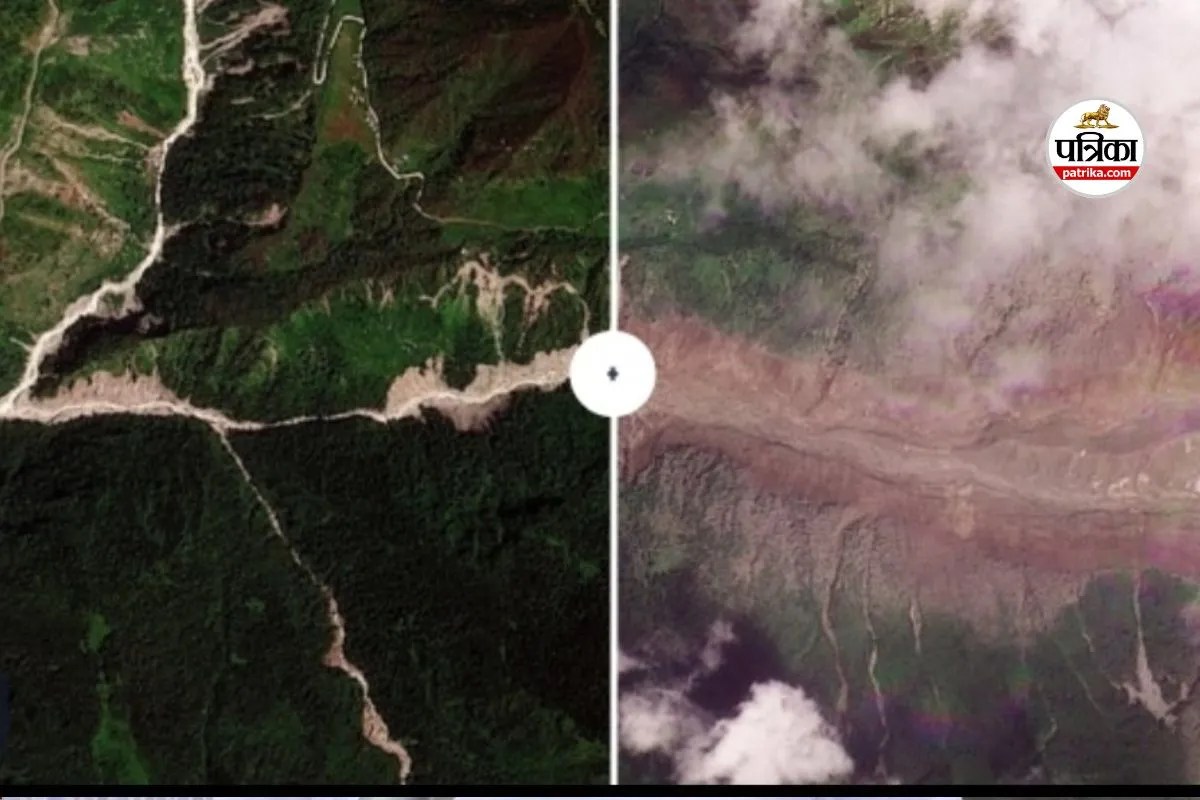
The catastrophic flash floods and mudslides along the Bhote Koshi River basin in Nepal have triggered an immediate wave of regional diplomatic declarations, most notably Bangladesh's formal commitment of relief and rescue support. While political solidarity statements are standard protocol during humanitarian crises, analyzing how nations operationalize these commitments reveals systemic friction points in transboundary disaster management. Examining the mechanics of cross-border emergency mobilization exposes why declarations of aid frequently stall during the critical response window.
The Operational Bottlenecks of Bilateral Aid
When the Nepalese Cabinet declares affected districts such as Rasuwa, Nuwakot, and Dhading as Disaster Crisis Areas, a legal pathway opens for international resource mobilization. However, turning diplomatic goodwill from downstream nations like Bangladesh into physical logistics on the ground involves three structural hurdles.
- Logistical Friction: Mountainous terrain restricts heavy transport access, meaning airborne assets or specialized alpine rescue teams are required rather than generic infantry or standard relief inventories.
- Information Asymmetry: The absence of a formal, real-time transboundary early warning system between upstream Himalayan basins and downstream stakeholders delays precise needs assessments.
- Inter-Agency Coordination Costs: Humanitarian aid requires synchronized clearance protocols between foreign ministries, local district authorities, and receiving hospitals handling casualties across institutions like TU Teaching Hospital and the National Trauma Centre.
Without a pre-negotiated Standard Operating Procedure for mutual logistics, foreign aid declarations function primarily as diplomatic signals rather than immediate operational interventions.
The Downstream Vulnerability Paradox
Bangladesh offers assistance from a position of shared ecological vulnerability. Both nations inhabit the same complex river systems originating in the Himalayas, making them mutually exposed to glacial lake outburst floods and severe monsoon aberrations. Yet, downstream nations face a strategic paradox during sudden-onset flash floods.
While Nepal manages the localized impact of asset destruction and immediate casualties—surpassing 95 confirmed fatalities in the recent Bhote Koshi surge—downstream states absorb the cumulative hydrological consequences days later. This dynamic requires a shift from reactive bilateral aid packages to integrated regional risk mitigation frameworks. The economic cost function of waiting for a disaster to materialize before mobilizing resources vastly exceeds the capital expenditure required to maintain permanent, multi-nation rapid deployment logistics pools.
Strategic Allocation of International Capital
The mobilization of emergency funding, such as the World Bank's structuring of up to 25 billion Nepalese Rupees alongside contributions from India, China, and development partners, highlights the capital intensity of post-disaster recovery. Money alone does not compress the time-to-treatment curve for the dozens of individuals currently receiving care in intensive or trauma units.
The utility of external financial instruments depends entirely on the absorptive capacity of local administrative structures. When municipal infrastructure is physically wiped out—with entire market areas buried under debris—financial aid must be channeled through pre-vamped procurement networks rather than standard bureaucratic tenders.
The Blueprint for Transregional Resilience
To transition from ad-hoc diplomatic declarations to predictable operational efficacy, regional disaster response mechanisms must abandon reliance on post-hoc political negotiations.
Establish permanent, pre-cleared logistical corridors for emergency medical personnel and heavy extraction equipment between South Asian neighbors, bypassing standard customs delays during declared crisis states. Implement mandatory real-time hydrological data sharing protocols across the entire Himalayan river basin to transform early warning telemetry into actionable evacuation windows before flash floods breach containment.