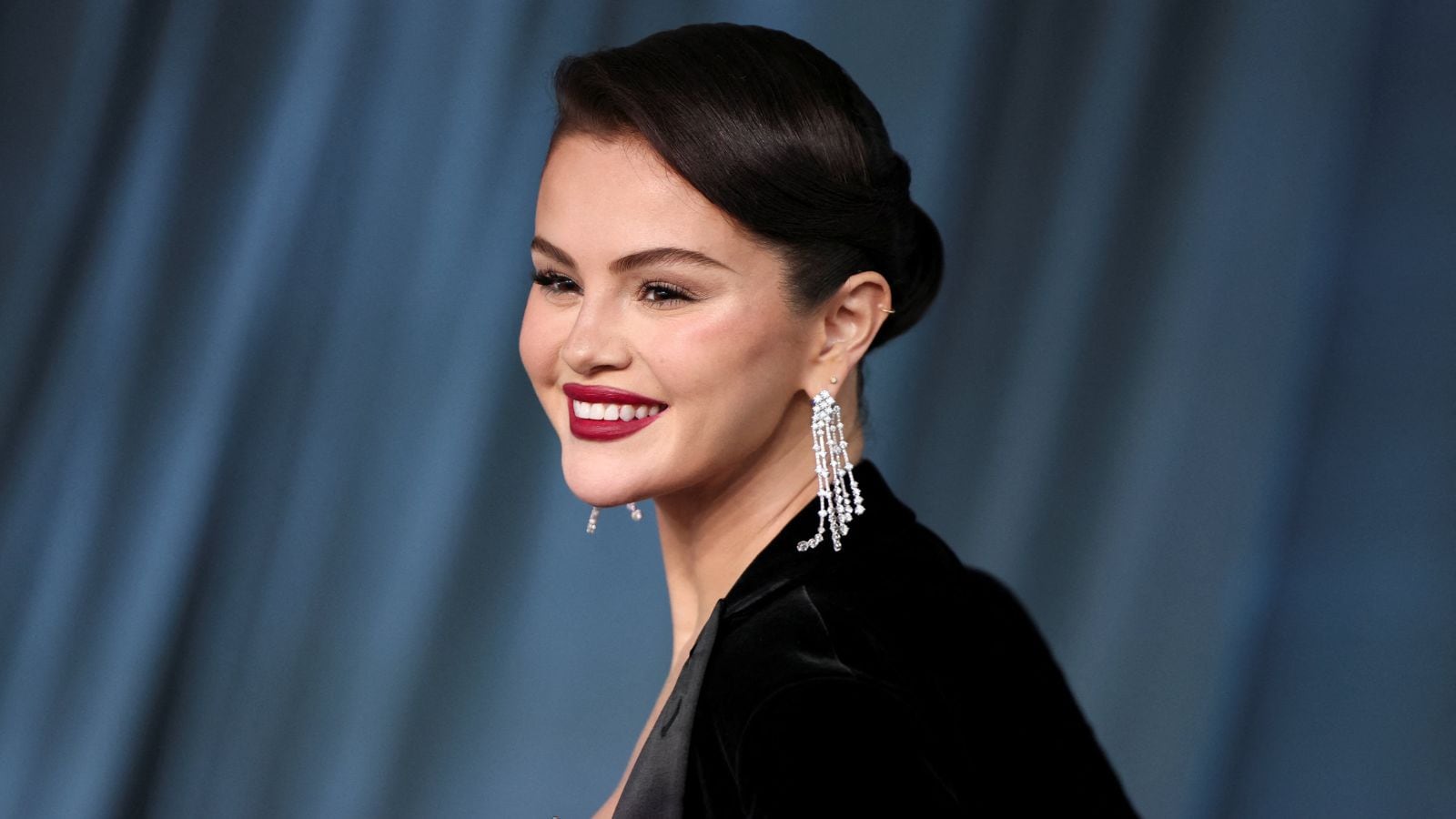
Celebrity-backed startups operate under a dangerous architectural flaw: the substitution of personal reach for operational infrastructure. When investors commit capital to a famous founder, they frequently price the entity on projected audience capture rather than unit economics, product-market fit, or execution capability. The recent securities fraud lawsuit filed in federal court against Wondermind Global Inc., co-founded by entertainer Selena Gomez, her mother Mandy Teefey, and former business partner Daniella Pierson, exposes the structural fragility of this model. Plaintiffs, including entities like Wondermind SRS 44 LLC and Bespoke Wondermind LLC, invested approximately $1.2 million in 2022 under a valuation framework reported at $95 million. The subsequent collapse of the mental fitness platform and the absence of foundational deliverables, such as a functional mobile application, offer a clear clinical view of how celebrity-driven venture capital mechanisms fail.
The Valuation Disconnect and the Influence Premium
Venture capital math relies on predictable asset creation, yet celebrity-led enterprises introduce an unhedgeable variable known as the influence premium. In 2022, Wondermind attracted funding by anchoring its valuation to Gomez's aggregate social media reach, which exceeded 500 million followers. Institutional and angel participants priced the company assuming that consumer acquisition costs would trend toward zero due to organic top-of-funnel conversion from the celebrity's digital channels.
This assumption violates standard customer acquisition economics. Attention does not automatically translate into retention, nor does social media visibility replace proprietary software infrastructure. The lawsuit alleges that the promised institutional partnerships with entities like JPMorgan Chase and Fidelity, alongside lucrative advertising deals and media cover features, failed to materialize because the operational engine required to service those relationships was never constructed. When valuation models inflate based on rented distribution rather than owned assets, any withdrawal of personal engagement by the primary celebrity triggers an immediate structural deficit.
The Operational Cost Function of Absent Leadership
The core mechanical failure in the Wondermind trajectory centers on the divergence between marketing representation and product execution. Gomez held the title of chief impact officer and head of marketing, while Teefey operated as co-chief executive. According to the legal complaint filed in Delaware federal court, the promised mobile application was never developed, and the enterprise failed to meet baseline corporate obligations, including the timely disbursement of vendor fees and employee payroll.
This creates a specific operational bottleneck defined by founder absenteeism. In early-stage startups, governance relies heavily on active oversight to manage burn rate and direct product development. The complaint highlights that for a period spanning three years, leadership maintained silence while the entity deteriorated internally. This dynamic introduces three distinct organizational failures:
- Delegation Void: Founders who treat their title as an honorary badge rather than an operational commitment leave strategic execution to lower-tier management without proper oversight.
- Misallocated Burn: Capital raised on future promises is consumed by overhead and administrative friction rather than engineering or product deployment.
- Information Asymmetry: Internal disarray is masked from external stakeholders until public media exposés force regulatory or legal reckonings.
The Breakdown of Governance and Internal Friction
Corporate governance structures in celebrity-backed ventures frequently collapse under the weight of personal relationships. Wondermind was designed as a family-adjacent enterprise involving Gomez and her mother, alongside an external partner, Daniella Pierson. When internal conflicts and interpersonal strain occur within a closely held founding team, traditional board checks and balances dissolve.
The lawsuit points to fractured dynamics between Gomez and Teefey as a primary catalyst for the former's disengagement from operational duties. In a traditional corporate environment, independent directors intervene when executive dysfunction threatens enterprise solvency. In celebrity startups, governance is often weak or nonexistent, leaving investors with no internal mechanism to course-correct before capital reserves are completely exhausted. When external reports eventually surfaced detailing organizational disarray and alleged mismanagement, the leadership structure fractured further, with executives shifting blame onto departed partners rather than addressing structural insolvency.
Strategic Risk Mitigation for Early-Stage Investors
Evaluating ventures where personal brand equity substitutes for technical validation requires a strict operational audit. Investors must separate audience reach from execution capability by enforcing specific contractual covenants.
- Tie capital tranches directly to verifiable product milestones, such as functional software deployment and active user retention metrics, rather than initial valuation milestones based on follower counts.
- Mandate binding time-commitment clauses for celebrity founders, including specific operational hours and mandatory participation in core product development cycles.
- Require independent board representation with veto power over operational expenditures to prevent family dynamics or personal conflicts from overriding fiduciary responsibilities.
- Institute mandatory quarterly auditing rights that track accounts payable, vendor compliance, and employee payroll status to catch operational decay before public disclosure occurs.
The legal fallout surrounding Wondermind serves as a definitive case study in the limits of celebrity-anchored valuations. When the structural pillars of product execution, transparent communication, and active governance are replaced by star power, financial collapse is not a risk; it is a mathematical certainty.