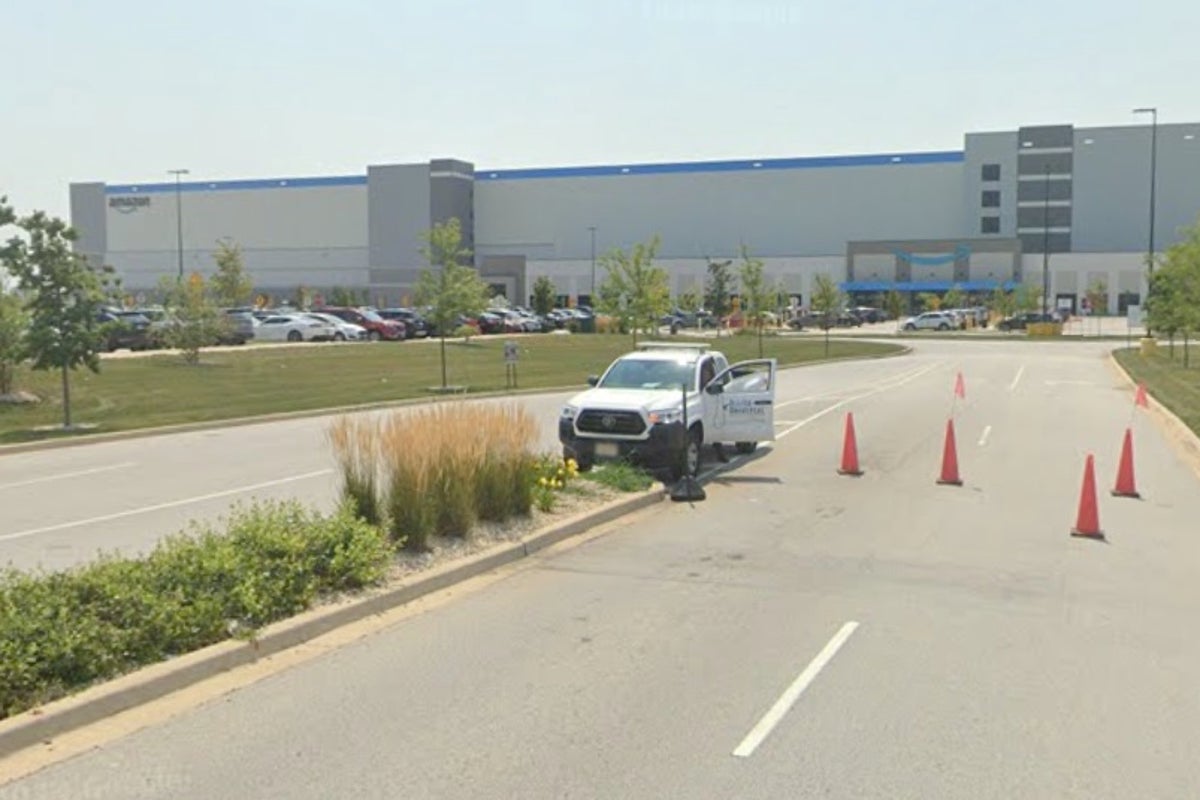
Parking lots at major fulfillment hubs are turning into flashpoints for violence. When an Amazon worker was shot and killed by a food delivery driver right outside a distribution center, it exposed a massive blind spot in corporate security. We talk a lot about workplace safety inside the warehouse. We track repetitive strain injuries, forklift metrics, and heat exhaustion. But the moment an employee steps past the turnstile and walks out to their car, they enter a corporate no-man's-land where security is shockingly thin.
This tragic shooting isn't an isolated anomaly. It is the direct result of mixing high-stress environments, constant contract-worker turnover, and open-access infrastructure. Gig drivers enter these facilities all day long with zero background checks by the host company. Warehouse employees exit their shifts exhausted, fried, and on edge. When those two worlds collide in a crowded parking zone, the results can be fatal.
The conversation around logistics security needs to change immediately. Companies cannot just protect the inventory inside the building while leaving the human beings outside to fend for themselves.
The Deadly Security Gap Outside the Warehouse Doors
Go to any major online retail distribution center during a shift change. It is pure chaos. Hundreds of cars stream out while another wave streams in. Delivery vans are backing up, gig workers are dropping off meals, and semi-trucks are navigating narrow access roads. It is a logistics miracle inside, but a chaotic mess outside.
Most distribution hubs rely on a passive security model for their exterior properties. You might see a few cameras mounted on the building corners. Maybe there is a private security vehicle driving around once an hour. But for the most part, anyone can drive right up to the main entrance doors.
Food delivery drivers, ride-share operators, and random visitors mingle directly with employees walking to their vehicles. There are no gates separating public drop-off zones from worker parking. This lack of zoning creates a highly unpredictable environment.
Security guards inside the building are trained to check badges and prevent inventory theft. They look for stolen electronics, not escalating arguments near the far end of the asphalt. This creates a zone where help is hundreds of yards away if something goes wrong.
High Stress and Tight Timelines Create a Pressure Cooker
To understand why violence erupts in these spaces, look at the immense pressure placed on everyone involved. Amazon warehouse employees live and die by the clock. Their shifts are long, physical, and monitored by algorithms that track every second of non-productive time. They leave the building physically drained and mentally exhausted.
On the other side of the equation, you have gig economy delivery drivers. Whether delivering a meal to a worker on break or dropping off an urgent package, these drivers operate under brutal algorithmic time pressures. A delayed delivery drops their rating and cuts their pay.
When you put hundreds of stressed, tired people into a poorly designed parking lot with tight bottlenecks, friction is guaranteed. Horns honk. Tempers flare. Fender benders happen. In a country with high rates of gun ownership, a minor case of road rage in a corporate parking lot can transform into a homicide in seconds.
The industry treats the parking lot as a municipal road. It is not. It is an extension of the workplace, and companies have a legal and moral obligation to secure it.
The Myth of the Controlled Corporate Campus
Major corporations love to project an image of total control. They use advanced surveillance, biometric access, and AI-driven monitoring inside their walls. Yet, the illusion of safety vanishes the moment you step outside.
The legal reality is catching up with these companies. Under standard occupational safety guidelines, employers must provide a workplace free from recognized hazards that cause or are likely to cause death or serious physical harm. Courts are increasingly finding that the definition of a workplace extends to company-owned parking facilities.
If a company knows that its parking lot experiences frequent theft, vandalism, or verbal altercations, it is on notice. Ignoring the warning signs until someone gets killed is a failure of risk management.
Relying on local police to patrol private corporate campuses is a broken strategy. Law enforcement handles the aftermath; they do not prevent the initial confrontation. Companies need active, visible deterrence on the tarmac.
Real Solutions to Fix Parking Lot Vulnerabilities
Fixing this problem requires moving past cheap fixes like adding another camera or putting up a warning sign. Physical infrastructure must change to keep workers safe.
Segregate Traffic Flows Completely
Public traffic, including food delivery and rideshares, should never mix with employee parking. Period. Facilities must design dedicated drop-off loops right at the property entrance, far away from where workers park their personal vehicles. If a gig driver is delivering food, they should drop it at a secure kiosk at the perimeter gate, not drive right up to the front glass.
Implement Active Perimeter Patrols
Contract security needs to move out of the lobby and into the lot. Having a visible guard stationed at the parking entrance during peak shift changes changes the psychology of the space. It deters bad behavior and allows security to intervene before a verbal argument escalates into physical violence.
Upgrade Lighting and Emergency Stations
Walk through a fulfillment center lot at 2:00 AM during a night shift change. Many areas are shrouded in deep shadows. Companies need to invest in high-output LED lighting that eliminates blind spots. Installing visible emergency blue-light phones, similar to those found on university campuses, gives workers an instant lifeline to help.
Establish Clear Vendor Codes of Conduct
Third-party apps and delivery services must face consequences if their contractors violate safety rules on corporate property. If a delivery driver initiates a confrontation, their access to the platform should be permanently revoked, and the corporate hub should blacklist their vehicle via license plate recognition technology.
The tragedy outside the distribution center should serve as a massive wake-up call for the logistics industry. Guarding the merchandise is simple. Protecting the people requires looking beyond the turnstile and taking responsibility for every square foot of the property. Corporations must act now to secure their perimeters before another worker pays the ultimate price just trying to get to their car after a hard shift.