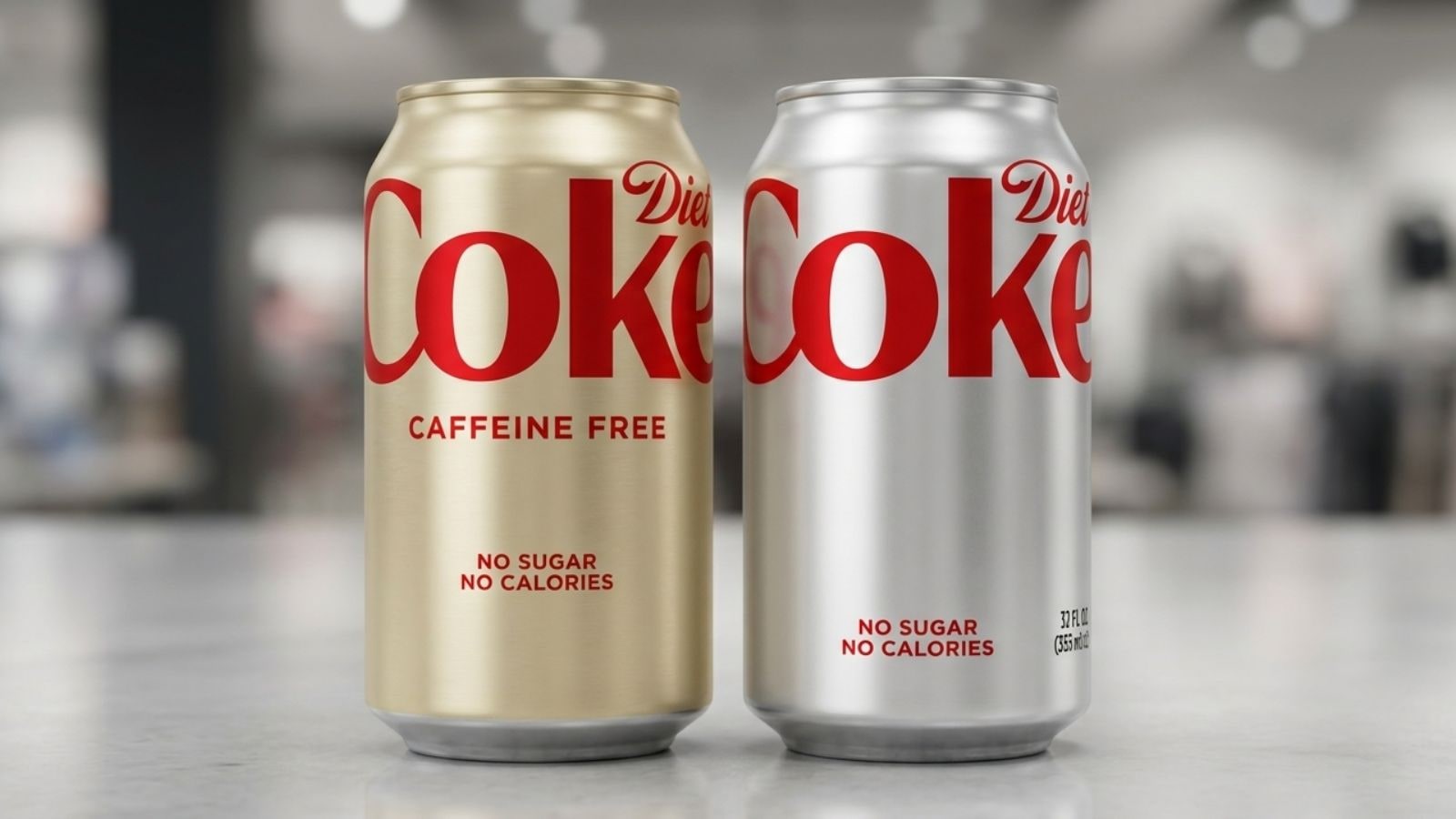
The sight of a thinning stack of Diet Coke cans on a Tehran grocery shelf isn’t just a localized supply chain hiccup. It is a physical manifestation of a tightening geopolitical knot. While casual observers might blame a simple lack of inventory, the reality is a brutal collision between international trade restrictions, a global metal deficit, and the complex machinery of Iranian domestic manufacturing. Iran is currently grappling with a severe shortage of food-grade aluminum, a crisis that has finally breached the defenses of the country’s most resilient beverage giants.
For decades, the presence of Western brands like Coca-Cola and Pepsi in Iran has been a curious anomaly. These products are not imported directly from Atlanta or Purchase, New York. Instead, they are produced by local licensees—Khoshgovar and Sasan, respectively—using concentrates that often navigate a labyrinth of legal loopholes and third-party distributors. However, you cannot pour concentrate into a vacuum. You need a vessel. And right now, the high-purity aluminum required to manufacture those 330ml cans is becoming a ghost in the Iranian market.
The Bottleneck in the Bauxite Trail
To understand why a Diet Coke is harder to find, you have to look at the smelting pots. Aluminum production is an energy-intensive process that requires consistent access to bauxite and alumina. While Iran has its own smelting capabilities, such as the Iranian Aluminum Company (IRALCO), the domestic output is heavily prioritized for the military and automotive sectors. When a nation is under a heavy "maximum pressure" campaign, fighter jet parts and drone components will always take precedence over the shiny packaging of a low-calorie soft drink.
The global market for aluminum has been volatile for years. Energy prices in Europe forced many smelters to go dark, shifting the burden of production to the East. For Iran, buying on the open market is a logistical nightmare. Every transaction is a gamble with secondary sanctions. International shipping lines are hesitant to dock at Bandar Abbas, and the cost of insuring cargo that might be seized or blocked adds a "risk premium" that makes the raw material prohibitively expensive.
When the price of aluminum ingots spikes on the London Metal Exchange, the Iranian manufacturer feels it tenfold. They are operating with a devalued currency, the Rial, which makes every dollar-denominated purchase of raw metal feel like a slow-motion financial car crash. Consequently, the companies that once churned out millions of cans per day are being forced to throttle production or switch to alternative packaging that the market finds less desirable.
The Death of the Cold Can Aesthetic
There is a psychological component to this shortage. In the sweltering heat of an Iranian summer, the aluminum can is more than a container; it is a status symbol of modern convenience and chilled relief. Glass bottles are heavy, breakable, and require a return-deposit system that feels like a relic of a bygone era. Plastic PET bottles, while cheaper, do not hold carbonation as effectively and carry a "cheap" connotation that doesn't align with the premium branding of a Coca-Cola product.
The shortage has triggered a predictable, yet frantic, shift in consumer behavior. Hoarding is now commonplace. Distributors are reportedly sitting on stock, waiting for the price to hit a peak before releasing it to retailers. This creates a feedback loop of perceived scarcity. When a shopper sees an empty shelf where the silver-and-red cans used to be, they don't just buy one bottle; they buy the remaining three.
The Myth of Self Sufficiency
The Iranian government often touts "resistance economy" principles, suggesting that domestic industry can fill the gaps left by foreign pressure. In the case of high-end food packaging, this is largely a fantasy. The specialized coatings used inside aluminum cans to prevent the acidic soda from eating through the metal are often proprietary chemicals that Iran cannot easily replicate at scale.
If a factory can get the metal but cannot get the lining, the production line stays silent. If they get the lining but the rolling mills are broken and spare parts are stuck in a customs warehouse in Dubai, the result is the same. The supply chain is only as strong as its most sanctioned link.
The Secondary Market for Scrap
One of the more grimly fascinating outcomes of this shortage is the rise of a professionalized scrap metal underground. Aluminum cans are 100% recyclable, and in a closed economy, the value of that "waste" skyrockets. We are seeing a shift where the value of the empty can is beginning to rival the value of the liquid inside it.
- Collection networks: Systematic harvesting of aluminum from restaurants and hotels.
- Smuggling routes: Empty cans or raw ingots moving across the borders of Iraq or Afghanistan to bypass formal trade monitoring.
- Downgraded quality: A rise in the use of recycled aluminum that hasn't been properly decontaminated, leading to "off-flavors" in the beverage—a cardinal sin for a brand like Diet Coke.
A Struggle Beyond the Beverage
This isn't just about soda. The aluminum crisis is a canary in the coal mine for the entire Iranian consumer goods sector. If the beverage industry—which is cash-rich and boasts high turnover—cannot secure the materials it needs, the outlook for smaller, more specialized industries is bleak. Canned medicines, specialized food storage, and even basic construction materials are all competing for the same shrinking pool of metal.
The geopolitical tension isn't a distant noise; it is the hand that is tightening the valve on the assembly line. Every time a diplomatic negotiation stalls in Vienna or a new round of designations is announced in Washington, the ripples travel through the global commodity markets and end up as an empty spot on a shelf in Tehran.
The Iranian consumer is resilient, and the "gray market" is incredibly creative. You can still find Diet Coke if you know where to look and are willing to pay a 400% markup. But the era of the affordable, ubiquitous chilled can is over for the foreseeable future. The metal is simply too valuable to be used for something as ephemeral as a drink.
Manufacturers are now facing a hard choice: adapt to a world of plastic and glass, or wait for a geopolitical thaw that may never come. For the giants like Khoshgovar, the "Coca-Cola" logo still carries immense weight, but even the world's most recognizable brand cannot conjure aluminum out of thin air. They are learning, quite painfully, that in a globalized economy, there is no such thing as a truly local product.
The next time you pop the tab on a cold drink, realize you are holding a piece of precision engineering that requires a stable world to exist. In Iran, that stability has evaporated, leaving behind nothing but the dry heat of a metal-starved market. The shortage isn't a temporary glitch. It is the new baseline.