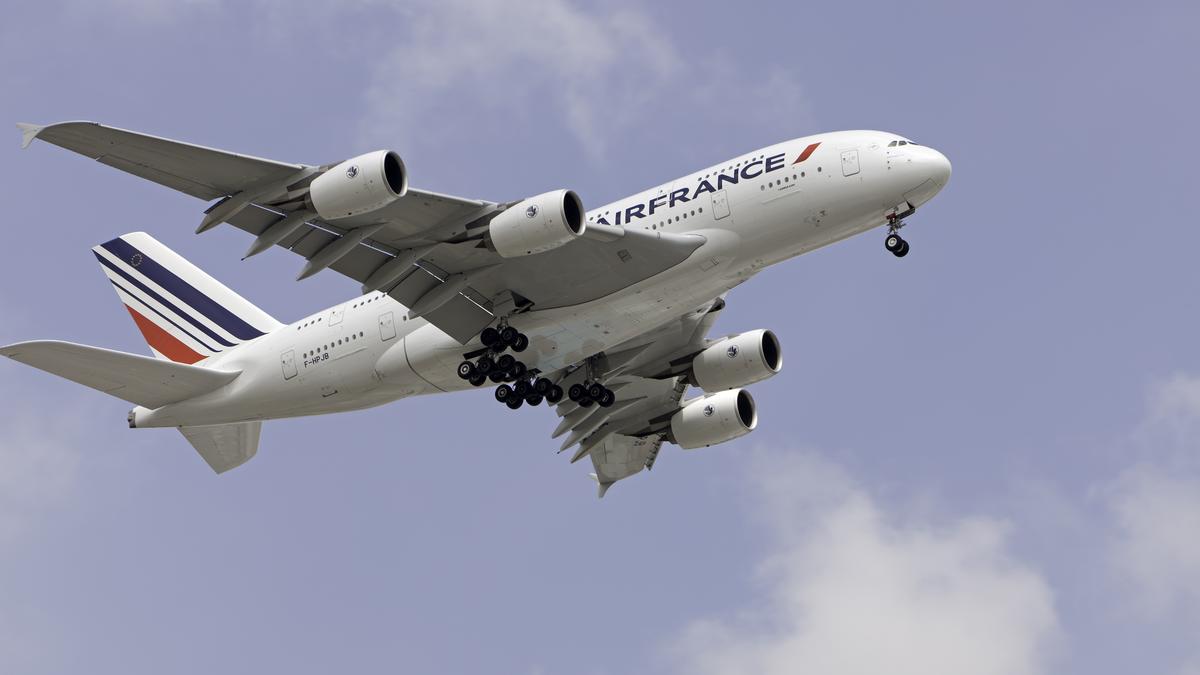
A commercial flight was forced to divert mid-air because an international passenger boarded a plane when they should have been under strict quarantine. The word Ebola instantly triggers panic. It sounds like a movie script. Yet, this exact scenario happened, exposing massive gaps in how airlines and border control agencies communicate during public health crises.
When news broke that a plane altered its course due to Ebola fears after a passenger boarded "in error," the immediate reaction from the public was a mix of terror and anger. How does someone flagged for a deadly hemorrhagic fever just walk onto a plane? Airlines spend billions on security, biometric scanning, and advanced check-in systems. Still, a breakdown in basic data sharing allowed a high-risk individual to sit in an enclosed cabin with hundreds of unsuspecting travelers.
The incident shows that our global aviation safety net is surprisingly fragile. It raises serious questions about airline accountability, airport screening protocols, and the reality of tracking infectious diseases across borders.
Anatomy of an Aviation Screening Disaster
The breakdown did not start at the boarding gate. It began days earlier in the public health system. To understand how an infected or exposed passenger winds up in seat 14B, you have to look at the disconnect between health agencies and airline reservation systems.
When a health department flags an individual as a contact or a confirmed case of a high-consequence pathogen like Ebola, that information goes into a government database. In theory, that database should sync with immigration and border protection agencies. From there, the individual lands on a no-fly list or a do-not-board registry.
It sounds simple. It rarely is.
The system fails because of latency. Data updates take time. Sometimes hours, sometimes days. If a passenger checks in online 24 hours before their flight, their digital boarding pass is issued based on the data available at that exact millisecond. If the health flag drops two hours later, the airline infrastructure often fails to retroactively revoke the digital pass unless a manual override occurs.
We saw this exact vulnerability play out. The passenger bypassed the physical check-in counter entirely, used a smartphone to scan through security, and walked right down the jet bridge. By the time central database systems flagged the match and alerted aviation authorities, the aircraft was already climbing through twenty thousand feet.
The Real Risk of Ebola Transmission in an Airplane Cabin
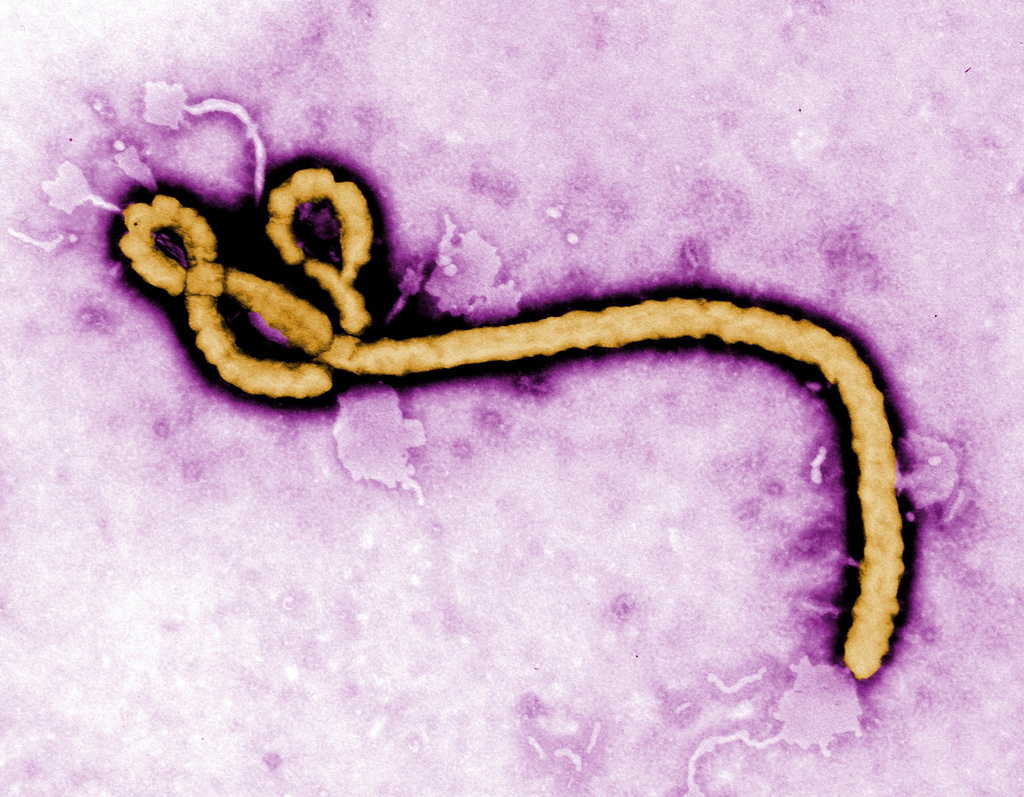
Let's clear up the medical facts. The internet loves to panic, but public health officials and organizations like the World Health Organization (WHO) have established clear guidelines on how Ebola actually spreads. It is not flu. It is not Covid.
Ebola requires direct contact with bodily fluids. You cannot catch it just by breathing the same filtered air as someone three rows ahead of you. Modern commercial aircraft use High-Efficiency Particulate Air (HEPA) filters that refresh cabin air every two to three minutes. These systems capture 99.97% of airborne particles. For an airborne pathogen, that matters. For Ebola, it is mostly irrelevant.
The actual danger on a flight stems from close physical contact or contaminated surfaces in shared spaces like lavatories. If a passenger is asymptomatic, they are not contagious. The virus only becomes transmissible once symptoms like fever, vomiting, and severe headaches manifest.
The panic during this flight diversion was psychological rather than medical. The moment the flight crew received the alert from air traffic control, the cabin transformed into a pressure cooker. Crews are trained for medical emergencies, but managing a potential biohazard mid-flight creates immense operational strain. The decision to divert to a designated isolation airport was the only viable legal and safety option, even if the biological risk to the average passenger was statistically low.
The Financial and Operational Toll of an In-Flight Quarantine
Diversions are incredibly expensive. When a long-haul flight changes destination unexpectedly, the airline incurs massive financial penalties.
- Fuel dumping to reach a safe landing weight cost tens of thousands of dollars.
- Landings fees at non-scheduled airports run into the thousands.
- Passenger compensation, rebooking, and hotel accommodations compound the loss.
- The aircraft itself must be taken out of service for deep bio-decontamination.
Beyond the numbers, the human toll is chaotic. Passengers on the diverted flight were held on the tarmac for hours while public health officials in hazmat gear boarded the plane. This is standard protocol under international health regulations, but the experience is traumatizing for travelers who have no idea if they have been exposed to a fatal disease.
How Border Control and Airlines Must Fix the System
This incident cannot happen again. Relying on passengers to voluntarily disclose their health status or honor a quarantine agreement is a failed strategy. The aviation industry needs a hard reset on how it handles public health data.
First, we need real-time, push-notification style integration between national health registries and airline departure control systems. If a person's status changes to "do not board," an automated command must instantly invalidate any active electronic boarding passes associated with their passport number. The system should flag the passenger at the TSA checkpoint or the biometric boarding gate before they step onto the aircraft.
Second, international data sharing must improve. A passenger tracking system is only as good as its weakest link. If a traveler originates in a region with an active outbreak and transits through multiple hubs, their health data must follow them seamlessly across different carrier networks and jurisdictions.
If you are a traveler caught up in an aviation health scare, you need to know your rights. Airlines are legally obligated to get you to your destination once the medical clearance is granted, but they are not always required to pay cash compensation for delays caused by government-ordered public health interventions. Keep every receipt for out-of-pocket expenses, monitor your health closely, and follow instructions from local CDC or public health representatives at the deplaning site.
Check your travel insurance policies before booking international flights near active health advisory zones. Look specifically for clauses covering government-ordered quarantines or administrative flight diversions, as standard trip interruption coverage often excludes infectious disease events. Staying informed and verifying your carrier's emergency policies is your best defense against systemic failures in the air travel network.