Walk through the streets of Niamey, Ouagadougou, or Bamako today, and you’ll hear a tempting promise. Men in uniform claim they’re saving their countries from corrupt politicians, endless insecurity, and Western meddling. It sounds bold. It feels decisive.
And it’s completely failing ordinary citizens.
When a major governance watchdog warns that Africa is suffering in a new strongmen era, it isn't just throwing around dramatic headlines for clicks. The data backs up a grim reality. Across the continent, democratic backsliding, military coups, and presidents clinging to power by rewriting constitutions have stalled economic growth, worsened security crises, and stripped basic freedoms from hundreds of millions of people. If you want to understand why so many African nations feel stuck in reverse right now, you have to look past the nationalist slogans and examine what unchecked power actually delivers on the ground.
What the Governance Data Actually Shows
For years, organizations like the Mo Ibrahim Foundation, Freedom House, and Afrobarometer have tracked how African governments perform for their citizens. Throughout the 2000s and early 2010s, the trajectory looked promising. Elections became more common. Economies grew. Civil society groups gained real traction.
Then the momentum broke.
According to the Ibrahim Index of African Governance (IIAG), overall governance progress across the continent has largely flatlined in recent years, dragged down heavily by sharp declines in Security and Rule of Law alongside Participation, Rights, and Inclusion. Even when countries show slight improvements in infrastructure or basic health metrics, those gains get wiped out when courts lose their independence and opposition leaders end up behind bars.
Let's be honest about what "strongman rule" means in practice. It isn't just generals rolling tanks into capital cities. It's also civilian leaders who use the machinery of the state to dismantle term limits, silence journalists, and turn elections into rubber-stamp ceremonies. Whether the guy at the top wears fatigues or a tailored suit, the operating system is identical. Power concentrates in one person's hands. Accountability vanishes.
The Myth of the Benevolent Strongman
Whenever democracy struggles, someone inevitably brings up the "Singapore model" or points to Rwanda's rapid economic transformation under Paul Kagame. The argument goes like this: poor countries can't afford messy democratic debates; they need a firm hand to build roads, attract investors, and enforce order.
I’ve heard this argument in policy circles for years, and it collapses the second you look at the broader track record.
For every single authoritarian leader who manages to deliver decent infrastructure, there are ten who loot the treasury, alienate foreign lenders, and drive their countries into ruin. You don't get to pick which kind of strongman you end up with, and once he's in charge, you don't get a refund.
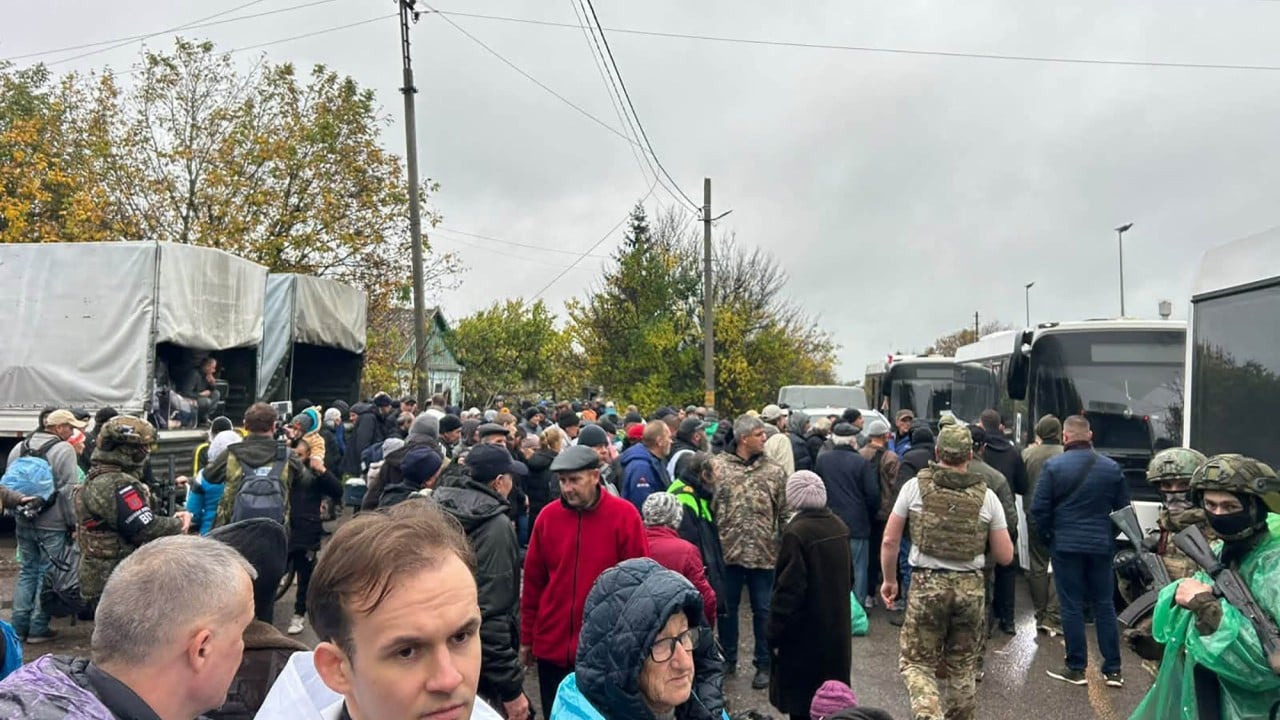
Look at the Sahel region—specifically Mali, Burkina Faso, and Niger. Between 2020 and 2023, military juntas seized power in all three nations. Their primary justification? Elected governments had failed to stop jihadist insurgencies linked to al-Qaeda and the Islamic State. The generals promised swift, uncompromising military victories.
What happened instead? According to data from the Armed Conflict Location & Event Data Project (ACLED), political violence and civilian fatalities in the central Sahel actually surged after the coups. By kicking out international partners, restricting independent media from reporting on military setbacks, and relying heavily on Russian mercenary groups like the Wagner Group (now rebranded as the Africa Corps), these juntas traded accountability for brutal, ineffective force. Villages still burn. Millions remain displaced. The only difference is that citizens can no longer safely criticize the people failing to protect them.
How Constitutional Coups Quietly Hollow Out Nations
Tanks make the evening news, so military takeovers get most of the international attention. Yet the quieter, legalistic erosion of democracy is arguably doing just as much damage across the continent.
Political scientists call it a constitutional coup. Instead of overthrowing the government, an incumbent president changes the rules so they never have to leave.
Consider how often this playbook has been run over the past decade:
- Term-limit removal: Leaders push parliaments or rigged referendums to scrap two-term limits, often resetting the clock so past terms "don't count."
- Judicial capture: Supreme courts and constitutional councils get packed with loyalists who rubber-stamp dubious election results and disqualify viable rivals on technicalities.
- Digital blackouts: When protests erupt, governments simply pull the plug on the internet, blocking mobile data and social media platforms to prevent citizens from organizing.
- Financial strangulation: Opposition parties find their bank accounts frozen, their rallies banned under vague public-order laws, and their media outlets stripped of broadcasting licenses.
We saw versions of this play out in places like Uganda, Cameroon, Côte d'Ivoire, and Guinea before its 2021 military coup. When citizens realize the ballot box can no longer produce change, frustration boils over. Ironically, constitutional coups often create the exact instability that military officers later use as an excuse to stage an armed takeover. One broken system breeds another.
The Hidden Economic Tax of Autocracy
You might think investors don't care about human rights as long as a country has lithium, gold, oil, or uranium. Sometimes, for extractive industries, that's sadly true. A mining conglomerate can cut a deal directly with a presidential palace and bypass messy parliamentary oversight.
For the rest of the economy, though, strongman rule acts like a massive, invisible tax.
Young Africans don't just want mineral extraction; they need jobs in tech, manufacturing, logistics, agriculture, and services. Those sectors require predictable laws and enforceable contracts. If a local entrepreneur builds a successful business in a country without independent courts, what happens when a well-connected general or minister decides he wants a piece of it? Nothing good.
Watchdog reports consistently highlight how weak rule of law fuels capital flight and brain drain. Doctors, engineers, software developers, and nurses—the exact people Africa needs to build its future—are leaving in record numbers because they see no meritocracy at home. Meanwhile, sovereign borrowing costs skyrocket. Credit rating agencies and international lenders price political instability directly into interest rates. Governments end up spending more of their budgets servicing expensive debt than funding schools or clinics.
Even regional trade suffers. The African Continental Free Trade Area (AfCFTA) holds massive potential to boost intra-African commerce, which has historically lagged far behind trade volumes in Europe or Asia. Yet when coups trigger sanctions, border closures, and the fracturing of regional blocs—like the decision by Mali, Burkina Faso, and Niger to pull out of ECOWAS—supply chains break down overnight. Truckers get stranded at borders. Food prices spike in landlocked cities. Ordinary people pay the price for geopolitical tantrums.
What Africans Actually Want According to the Data
One of the most patronizing myths pushed by strongmen and their online cheerleaders is that democracy is a "Western imposition" unsuited for African culture.
Ask actual Africans, and you get a completely different story.
Afrobarometer, the continent's premier non-partisan research network, has surveyed hundreds of thousands of citizens across dozens of African countries over the past twenty years. Their findings are remarkably consistent. A clear majority of Africans—roughly two-thirds across surveyed nations—consistently say they prefer democracy over any other kind of government. Even larger majorities explicitly reject one-party rule, one-man rule, and military rule.
So why do crowds sometimes cheer when a president gets overthrown?
It isn't because they love dictatorship. It's because they are desperate to get rid of an unresponsive, corrupt incumbent, and the military looked like the only tool left in the box. There's a massive difference between celebrating the exit of a bad leader and endorsing permanent military rule. Within a year or two of almost every recent coup, public enthusiasm cools sharply as inflation rises, security fails to improve, and promises of a quick transition to civilian rule get pushed further into the future.
People want accountable governance that delivers basic services—clean water, reliable electricity, fair courts, and safe neighborhoods. When elected leaders fail to deliver those things and insulate themselves from voter anger, democracy loses its credibility. The problem isn't democracy itself. The problem is leaders who hollow it out while keeping the label.
Why Watchdogs and Civil Society Still Matter
When a governance watchdog sounds the alarm about strongman rule, cynics often shrug. What good is another report when guys with guns control the state?
That cynicism misses how change actually happens.
Authoritarian leaders spend huge amounts of energy trying to control information precisely because transparency threatens them. Independent watchdogs, investigative journalists, and local civil society groups create an undeniable public record. They document human rights abuses, track missing public funds, and expose the gap between regime propaganda and lived reality.
Look at how young activists across the continent are using those facts right now. In countries from Kenya to Senegal, digitally savvy youth movements have mobilized around concrete governance issues—tax hikes, corruption scandals, and attempts to delay elections—forcing leaders to back down or respect constitutional timelines. In Senegal, sustained civic pressure and resilient institutions stopped an attempt to postpone the 2024 presidential election, resulting in a peaceful transfer of power to an opposition candidate.
Progress isn't dead across Africa. It's fiercely contested.
How to Read the Warning Signs Early
If you follow African politics, business, or development, you don't need to wait for a coup announcement to spot a country sliding toward strongman rule. The warning signs almost always appear in the same sequence:
- Attacks on the messenger: Independent radio stations face sudden tax audits, foreign journalists get denied visas, and bloggers are arrested under vague "cybercrime" or "anti-terrorism" laws.
- Weaponized anti-corruption drives: Genuine reform targets allies and rivals alike. Strongmen only prosecute political opponents while letting loyalists loot freely.
- Rule changes right before the game: Electoral commissions get reshuffled months before a vote, or voter registration becomes mysteriously difficult in opposition strongholds.
- Blaming every domestic failure on external enemies: When inflation spikes or power grids fail, the regime blames foreign conspiracies rather than fixing broken ministries.
Recognizing these patterns matters whether you're an investor assessing risk, a policymaker deciding where to direct aid, or a citizen fighting to protect civic space. Supporting Africa's future doesn't mean romanticizing strongmen who promise quick fixes. It means backing the independent courts, free press, regional institutions, and everyday citizens doing the hard work of holding power to account.