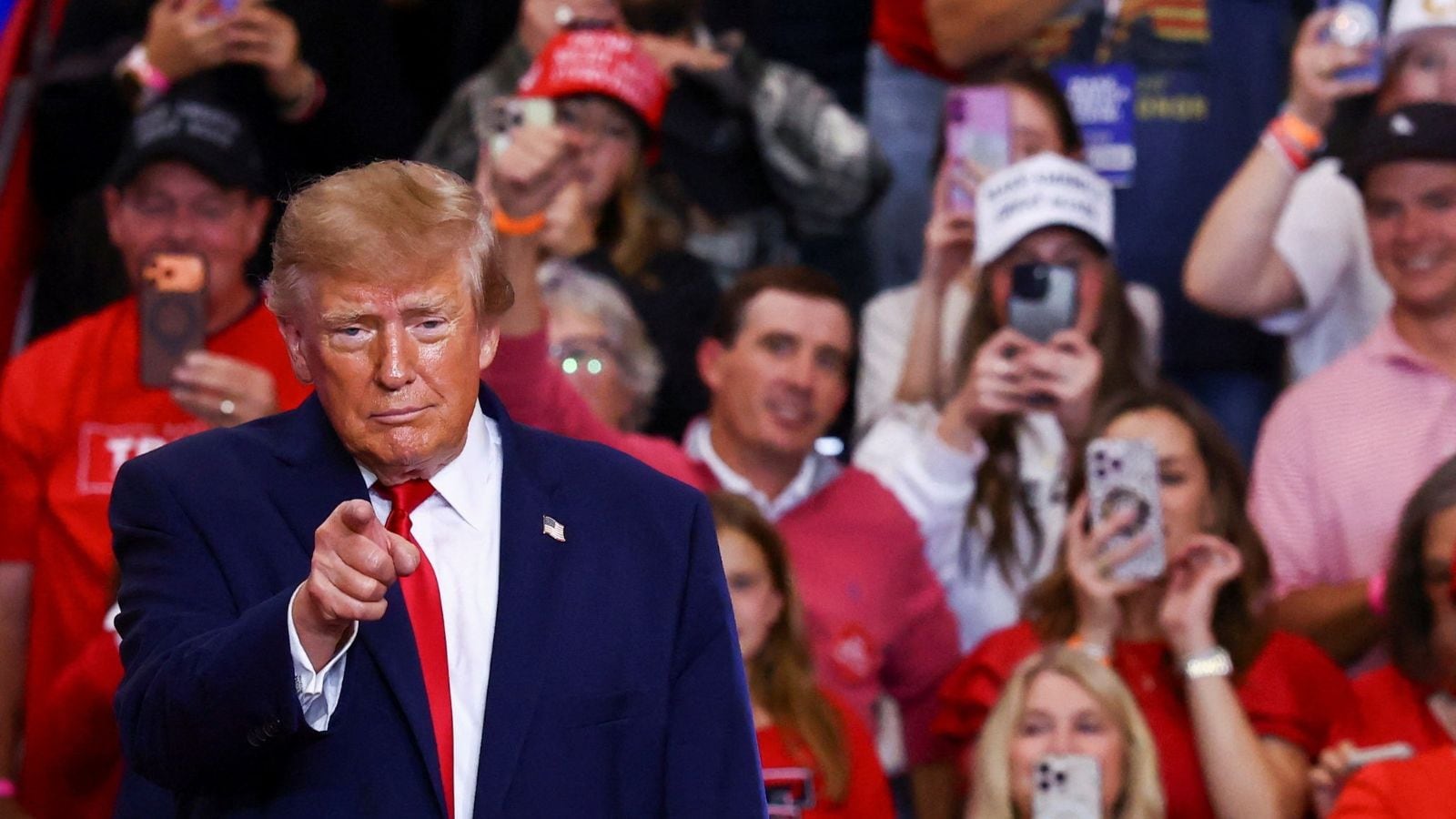
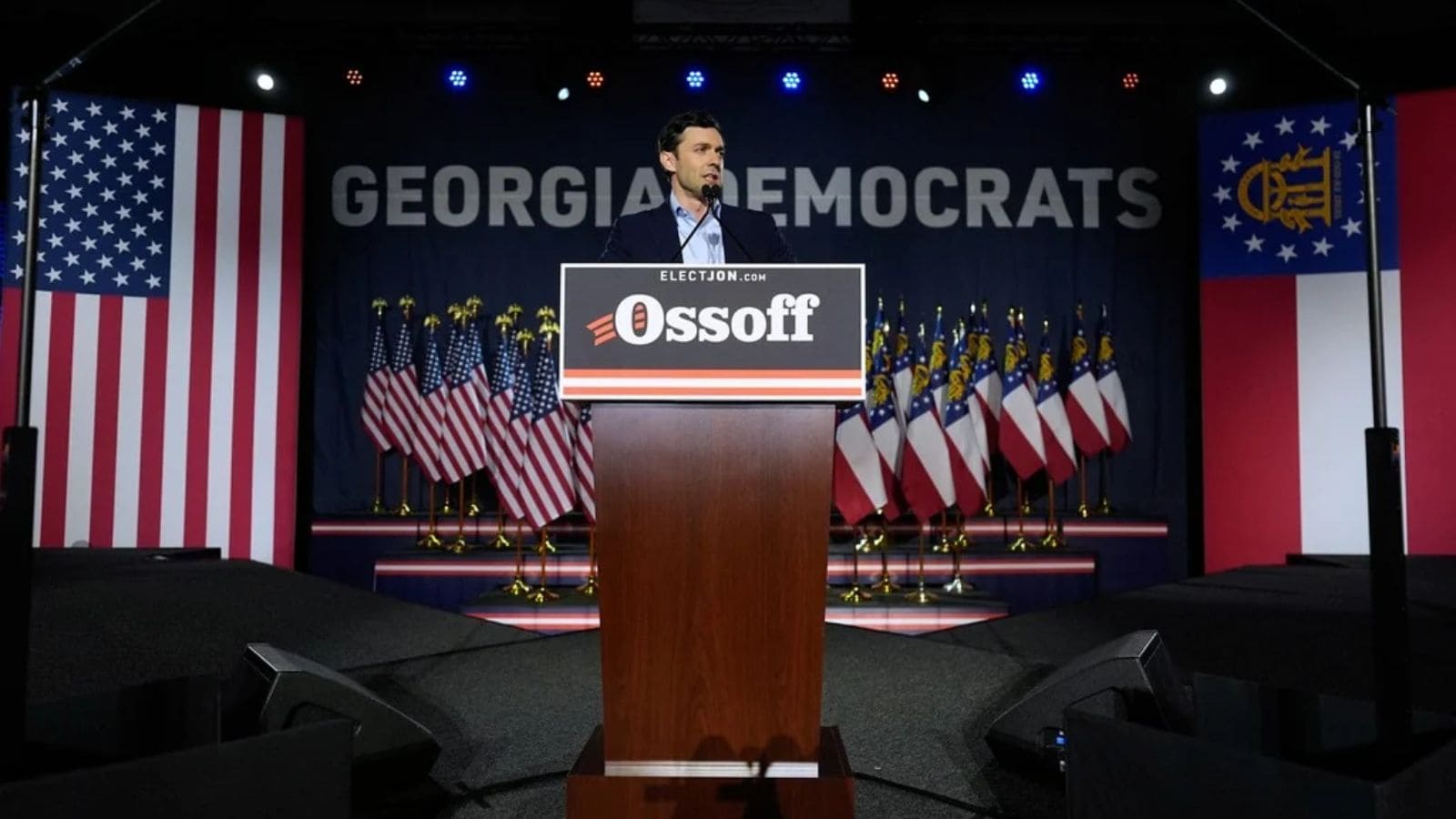
Election nights always give television networks exactly what they want. Confetti drops in ballroom convention centers, exhausted campaign managers hug crying volunteers on stage, and anchors breathlessly declare every single race a historic turning point for American democracy.
Stop buying the cable news hype for five minutes.
If you actually look at what happened in the 2026 midterm elections, the real story isn't the screaming crowds or the viral victory speeches. It's the quiet, structural shifts in who showed up to vote, which ballot measures actually passed when nobody was looking, and how razor-thin margins in a handful of suburban counties just reshaped legislative power in Washington for the next two years. I've covered enough election cycles to know that the loudest rooms on Tuesday night rarely tell you where the country is actually headed by Wednesday morning.
The Real Reason Turnout Defied Historical Gravity
Midterm elections usually follow a predictable, boring script. The party holding the White House gets clobbered because their voters stay home while the opposition shows up angry and motivated. Political scientists at the Pew Research Center have tracked this drop-off pattern for decades.
This cycle broke that rhythm in ways that caught traditional pollsters completely off guard.
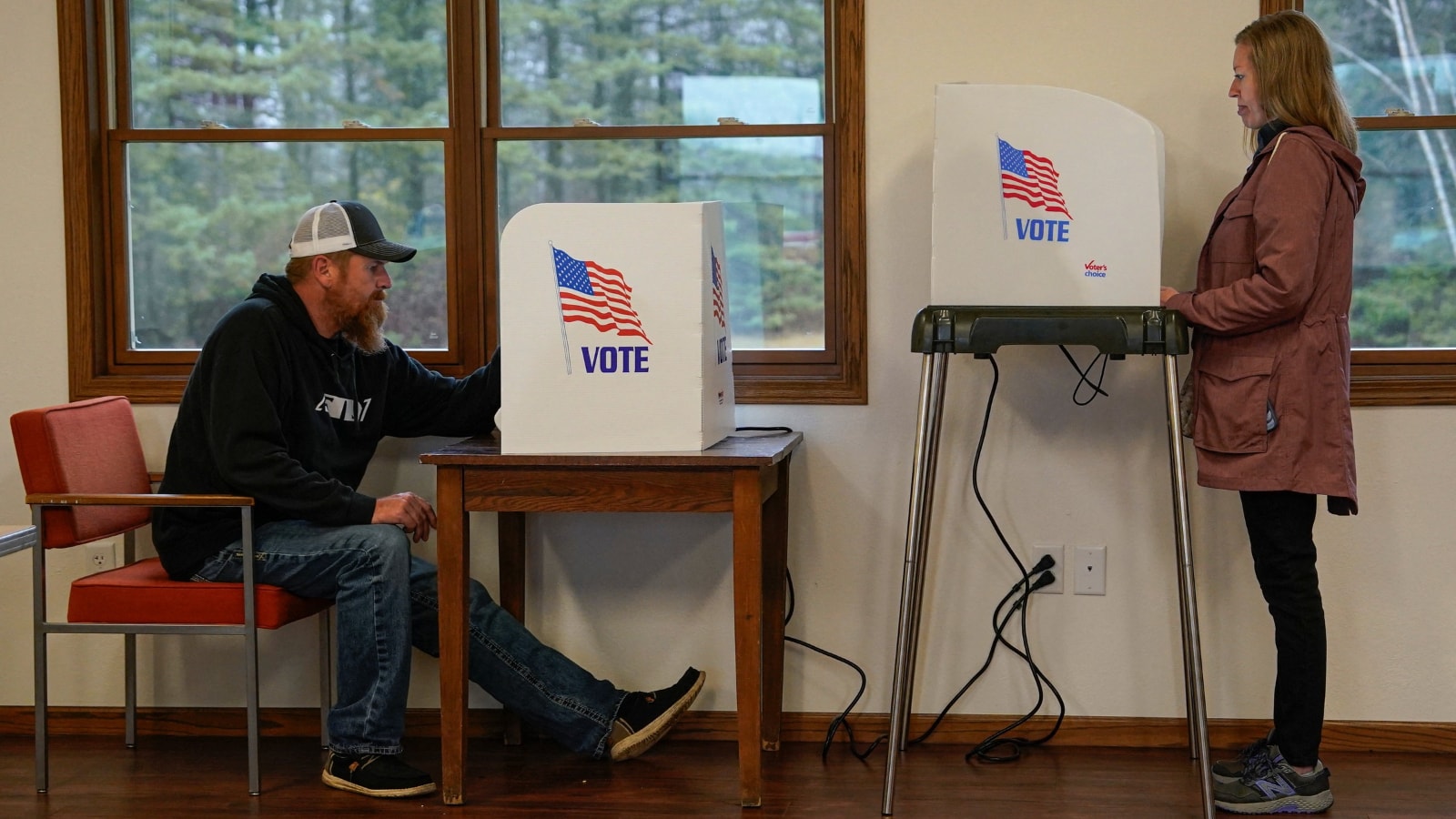
Early voting numbers started flashing warning signs back in October. Instead of the usual slump among younger demographics and independent voters, turnout surged in states with competitive Senate races and high-stakes statehouse battles. Why did people actually bother standing in line this time?
Two reasons stood out across exit polling from the Associated Press:
- Pocketbook anxiety overruled party loyalty. Voters didn't care about abstract macroeconomic charts showing cooling inflation. They cared about grocery receipts, insurance premiums, and housing costs that haven't come back down to earth.
- Local ballot initiatives drove people to the polls. In several states, reproductive rights, minimum wage hikes, and property tax caps sat right alongside congressional candidates. People showed up to vote on issues affecting their daily lives and filled out the rest of the ballot while they were standing in the booth.
Honestly, campaigns that spent millions on nationalized culture-war ads wasted their money. The candidates who survived were the ones talking obsessively about local utility bills and school funding.
Historic Firsts That Actually Matter
Every election cycle produces a laundry list of "firsts," and plenty of them are purely symbolic. Yet a few milestones from these midterms genuinely change how state legislatures and Congress operate on a practical level.
Look at the generational shift happening inside statehouses and House delegations. Gen Z and younger Millennial candidates didn't just run protest campaigns this year—they won primary battles against entrenched incumbents and flipped competitive general election seats. Having lawmakers in their late twenties and early thirties changes the legislative agenda immediately because they're dealing with student debt, childcare shortages, and first-time homebuying barriers personally rather than reading about them in staff memos.
Representation among women and minority candidates also hit new benchmarks in several state legislatures, particularly across the Midwest and Sun Belt. When the room making the laws starts looking like the neighborhoods paying the taxes, committee hearings get noticeably less theoretical. Bills around maternal healthcare, small business lending, and zoning reform suddenly move from the bottom of the stack to the top.
Why Pollster Models Missed the Suburban Split
You probably noticed the frantic tone of election analysts around 10 PM Eastern on election night. That panic happened because traditional polling models still struggle to measure modern suburban voters.
Suburbs aren't monolithic blocks anymore. An inner-ring suburb outside Philadelphia or Phoenix votes completely differently than an exurban county thirty miles further down the highway. Pollster weighting systems often lump these communities together, assuming voters with similar income brackets share similar political instincts.
They don't.
College-educated suburbanites continued shifting toward candidates promising institutional stability and social protections, even when those voters complained loudly about taxes. Meanwhile, working-class voters in outer-ring counties swung hard toward candidates promising aggressive economic disruption and tighter border enforcement.
I watched precinct-level returns come in from Pennsylvania and Michigan, and the contrast was wild. Two neighborhoods separated by a single interstate highway produced completely opposite swings compared to four years ago. If you're trying to understand modern American politics, stop looking at state-level maps. Look at county and precinct lines.
The Quiet Power of State-Level Races
National media obsesses over control of the U.S. House and Senate because horse-race journalism sells ads. That obsession makes most voters miss where the biggest policy shifts actually happened this week.
Governors' mansions, attorney general offices, and state supreme courts decided the real balance of power in 2026.
Think about how policy actually gets made right now. When Congress is deadlocked by narrow majorities—which is exactly what voters just delivered again—nothing big passes on Capitol Hill without painful compromise. State governments fill that vacuum immediately.
- Attorneys general are the ones filing lawsuits that freeze federal regulations for years.
- State supreme courts hold the final word on redistricting maps, voting access rules, and state constitutional rights.
- Secretaries of state oversee election administration ahead of the next presidential cycle.
Voters in several battleground states clearly understood this assignment. Ticket-splitting made a noticeable comeback in states where voters chose one party for federal office and the opposite party for governor or state supreme court. People are intentionally building guardrails against single-party dominance.
What Happens When Razor-Thin Majorities Take Over
The ecstatic celebrations in campaign headquarters last about forty-eight hours. Then reality hits hard.
Running a legislative chamber with a handful of seats to spare is a miserable job. Every single member of the majority party becomes a de facto veto player. A caucus of three or four stubborn lawmakers from safe districts can hold up budget bills, block leadership appointments, and force floor votes on legislation that puts swing-district colleagues in political danger.
We've seen this movie before, and it rarely produces smooth governance.
Expect the next two years in Washington to be defined by procedural brinkmanship, last-minute continuing resolutions to avoid government shutdowns, and intense oversight hearings. Major legislative overhauls on taxes, immigration, or healthcare face steep uphill climbs when neither party holds a commanding margin.
For regular people watching from home, this gridlock has a very specific consequence. Big federal programs aren't coming to save you or wreck your business anytime soon. Change will happen through executive actions, regulatory tweaks, and statehouse legislation.
How to Track What Comes Next Without Losing Your Mind
If you want to stay informed without getting sucked into outrage-bait cable panels or doomscrolling social media feeds, change how you follow political news starting today.
- Follow your local statehouse reporters. Organizations like Stateline and local nonprofit newsrooms cover the bills that actually alter your tax rate, healthcare costs, and local schools.
- Watch committee assignments in January. When Congress and state legislatures reorganize, pay attention to who gets seated on appropriations, judiciary, and energy committees. That tells you which issues will dominate the next two years.
- Check actual voting records over press releases. Use tools like Congress.gov or Ballotpedia to see how your representatives actually vote on amendments, not just what they post on social media after a hearing.
The balloons have already been swept off the convention center floors, and the campaign signs are coming down off street corners. Now comes the part that actually counts—holding the winners accountable when the cameras turn off.