Abu Dhabi just put its money where its mouth is regarding public safety. A massive Dh100 million grant was announced at the National First Line of Defense Forum to sharpen the UAE’s emergency readiness. It isn’t just a symbolic gesture or a routine budget line item. This is a targeted investment in the people who show up when things go sideways.
If you’ve lived in the UAE for any length of time, you know the pace of development is blistering. Rapid growth brings complex risks. High-rise fires, extreme weather events, and large-scale public gatherings require more than just "good enough" planning. They require a frontline that’s equipped with the best tech and the most rigorous training available. This new funding ensures that when the sirens start, the response is surgical.
Why the National First Line of Defense Forum matters now
The forum serves as a critical pulse check for the nation's protective infrastructure. It brings together the heavy hitters—police, paramedics, civil defense, and crisis managers—to figure out where the gaps are. The Dh100 million isn't going into a black hole. It’s earmarked for specific upgrades in training protocols and resource allocation.
Emergency management isn't static. What worked five years ago won't necessarily work today. We're seeing a shift toward data-driven response. This means using real-time analytics to predict traffic patterns for ambulances or employing drones for initial structural assessments during a fire. The grant supports this transition from reactive to proactive safety.
Breaking down the Dh100 million allocation
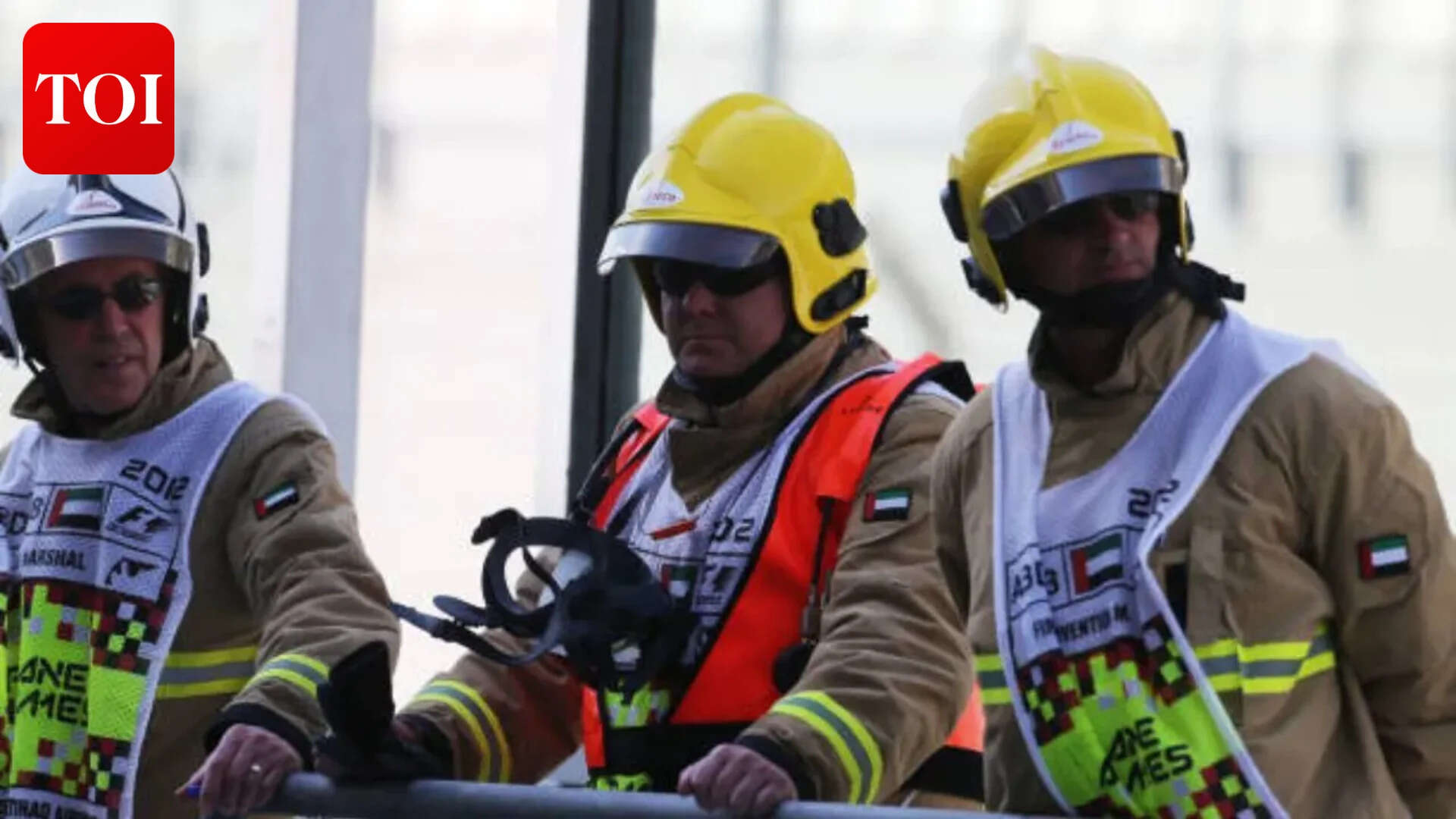
Money in government often feels abstract until you see it on the ground. This funding specifically targets the "First Line of Defense" heroes. We're talking about the men and women who are the first to arrive at a scene.
- Advanced Training Simulations: High-stakes environments shouldn't be the first time a responder encounters a scenario. A chunk of this grant will likely fund sophisticated simulation centers where teams can practice multi-agency coordination in a controlled, yet hyper-realistic, setting.
- Equipment Upgrades: This includes everything from specialized gear for hazardous materials to better communication tools that don't fail in "dead zones."
- Mental Health Support: This is an often-overlooked area. First responders see things most of us can't imagine. Part of "readiness" is ensuring the human beings behind the uniforms aren't burning out. Stronger psychological support systems make for a more resilient force.
The move toward a unified response system
One of the biggest hurdles in any disaster is communication between different departments. If the police and the fire department aren't on the same page, seconds are lost. These seconds cost lives. Abu Dhabi is pushing for a more integrated approach. This forum highlighted that coordination isn't just a goal—it's the standard.
When a major incident occurs, every agency needs to work like a single organism. The Dh100 million acts as the glue for this integration. It buys the software, the shared radio frequencies, and the joint training hours that make that "single organism" a reality.
Modern risks require modern solutions
Climate change isn't a theory anymore; it's a logistics problem. We've seen how flash floods can disrupt entire cities in the region. Preparing for "once-in-a-century" events is now a yearly requirement. This funding helps the UAE stay ahead of the curve.
Traditional disaster response often relied on brute force—more trucks, more boots, more water. While that still matters, intelligence is the new priority. Understanding how water flows through an urban landscape or how smoke behaves in a skyscraper allows for a smarter, faster response. The investment here helps purchase the high-end modeling software and sensor arrays that provide this data.
Strengthening the community safety net
Safety shouldn't just be something the government does to you; it should be something you're a part of. The forum also touches on how the public interacts with these first responders. Better training for professionals leads to better instructions for the public during a crisis. Clearer messaging saves lives.
When you see a Dh100 million figure, it’s easy to think it doesn’t affect your daily life. It does. It’s the reason why, when you call 999, the person on the other end is calm and the help arrives before you’ve even processed the emergency. It's the silent infrastructure that keeps the city running while you're asleep.
The UAE as a global leader in crisis management
This isn't just about Abu Dhabi. It’s about setting a benchmark for the region and the world. By investing so heavily in its first line of defense, the UAE is signaling to the global community that it is a safe, stable place for investment and residency. Safety is a product, and the UAE is manufacturing it at the highest level.
Many countries are currently cutting budgets for emergency services. Abu Dhabi is doing the opposite. It recognizes that you can't have a world-class economy without a world-class safety net. This kind of financial commitment attracts top-tier talent in the medical and security fields, further improving the quality of service for everyone.
What to do if you want to be part of the solution
You don't need a badge to help. Community readiness starts with individual awareness.
- Register for First Aid Training: Many local organizations offer courses. Knowing CPR or how to use an AED can save a life before the professionals even arrive.
- Stay Informed: Follow the official channels of the Abu Dhabi Civil Defense and Police. In an emergency, social media rumors are dangerous.
- Update Your Emergency Kits: Make sure your home and car have basic supplies. Don't wait for a storm to realize you don't have a flashlight or a first aid kit.
- Volunteer: Look into the UAE's official volunteer programs for emergency support. These groups provide backup during large events or major crises.
Abu Dhabi’s Dh100 million investment is a massive win for everyone in the capital. It turns the "First Line of Defense" from a slogan into a well-funded, high-tech reality. The next time you see an ambulance or a fire truck, know that behind that siren is a system getting smarter, faster, and more capable every single day.