Coral reefs are dying off at an alarming rate worldwide, and traditional restoration methods often fail to keep pace with the destruction. Dumping concrete blocks into the ocean just doesn't cut it anymore. Mother Nature needs smarter blueprints.
Enter the innovative use of 3D-printed ceramic tiles to revive degraded marine ecosystems right off the coast of Hong Kong. This approach turns industrial design into an environmental lifeline. Traditional conservation often relies on blunt instruments. Modern startups are fixing that by building intricate structures that mimic natural coral skeletons down to the millimeter.
If you think marine restoration is just about scuba divers planting tiny coral fragments in the mud, you are missing the entire technological shift happening beneath the waves.
The Problem With Traditional Reef Restoration
For decades, marine biologists tried fixing broken reefs using steel frames, wire mesh, or plain concrete blocks. These materials rarely worked well long-term. Concrete is alkaline and heavy, while metal corrodes in saltwater within years. Corals struggled to anchor themselves properly to these artificial surfaces.
Water currents sweep away loose fragments before they can take root. Storms toss heavy metal frames around, smashing whatever growth managed to start. Conservationists watched helplessly as millions of dollars washed away in heavy typhoons.
Nature doesn't build with flat slabs and ninety-degree angles. Marine life thrives on complex, undulating surfaces that provide shelter from predators and strong currents. Standard restoration gear ignored this basic biological fact.
How 3D Printed Terracotta Changes the Equation
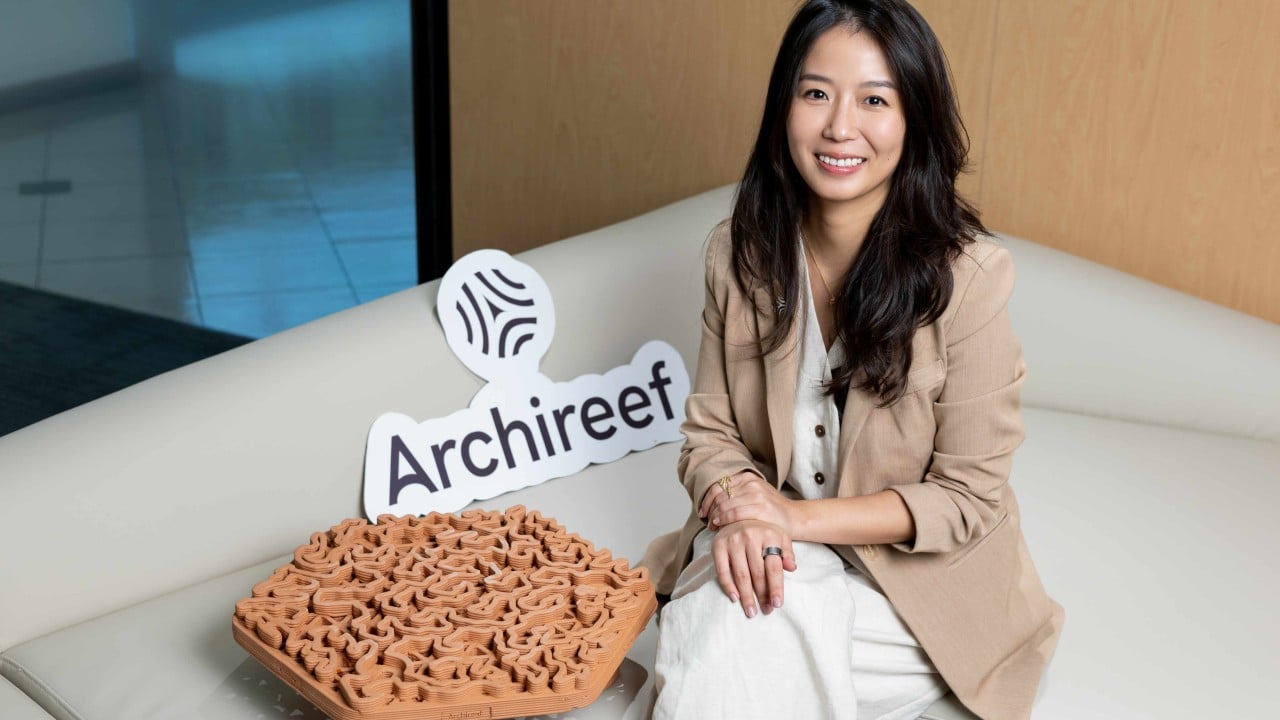
Firms like Archireef realized that the secret to restoring coral reefs lies in matching the exact material chemistry and micro-topography of natural reefs. They turned to 3D printing using terracotta.
Terracotta is made from clay, which is essentially baked earth. It is chemically neutral, highly durable underwater, and exceptionally friendly to marine larvae. When you drop a terracotta tile into the ocean, it doesn't leach toxic chemicals or rust away. It sits there quietly, blending into the marine environment while inviting sea life to move in.
The printing process allows engineers to design complex, organic geometric patterns that mirror natural coral structures. These tiles feature intricate nooks, crannies, and ridges. Baby fish get safe hiding spots. Coral polyps get optimal surface area to latch onto and grow.
Scaling Up Restoration Efforts in Hong Kong Waters
Hong Kong has lost a staggering amount of its historical coral cover due to coastal reclamation, pollution, and destructive fishing practices over the past century. Local waters face heavy marine traffic and severe temperature fluctuations.
Using 3D-printed reef tiles has shifted the narrative from hopeless decline to active recovery. Projects deployed in areas like Hoi Ha Wan Marine Park show survival rates for transplanted corals soaring past traditional benchmarks. Instead of losing half a restoration crop to sediment burial or predators, these structured tiles shield the growing organisms.
Teams don't just dump the tiles randomly. Marine scientists map the seafloor, identify dead zones where biodiversity has collapsed, and anchor the terracotta structures strategically. It is precise architecture applied to ecology.
Why This Matters Beyond Hong Kong
What happens in the South China Sea doesn't stay there. Coastal cities worldwide face the exact same threats of habitat loss and warming oceans. Traditional seawalls built out of straight concrete act like underwater deserts. They bounce wave energy around and repel life.
Replacing standard seawall panels with bioactive, 3D-printed textures turns dead coastal defenses into thriving nurseries. Imagine waterfront infrastructure that actively cleans water and grows fish populations instead of sterilizing the coastline.
Engineers can tweak the digital print files on the fly. If a specific reef restoration project needs larger crevices for local crabs or smoother channels for specific algae species, they adjust the printer settings. Try doing that with a factory mold for concrete blocks.
Getting Involved and Supporting Marine Innovation
You don't need a degree in marine biology to care about how we build our coastal infrastructure. Next time you visit a coastal city, look at the seawalls. Ask local representatives how they plan to protect marine life during coastal expansions. Support organizations funding biomimetic engineering research.
The era of clumsy environmental Band-Aids is ending. Precision, biology, and smart manufacturing are taking over the fight to save our oceans.