Every few years, the internet collectively loses its mind over another anonymous attention-seeker claiming to have just crawled out of a chrome-plated time machine from the mid-21st century. Right on cue, the viral prediction machine whirs to life. The current favorite flavor of internet junk food centers on a supposed 2028 prophecy that will apparently rewrite civilization.
It is absolute garbage. And worse, it distracts you from the actual boring, brutal mechanics of how the world is changing right now.
I have spent the last two decades watching markets crash, tech bubbles burst, and naive observers fall for sensationalist noise. I have seen founders blow millions chasing sci-fi hallucinations while ignoring the structural debt rotting beneath their feet. When someone online tells you they have a dispatch from 2045 detailing the exact collapse of society in 2028, they are not a visionary. They are selling clicks to people who failed high school economics.
Let us dismantle this nonsense piece by piece.
The Lazy Consensus of Apocalyptic Clickbait
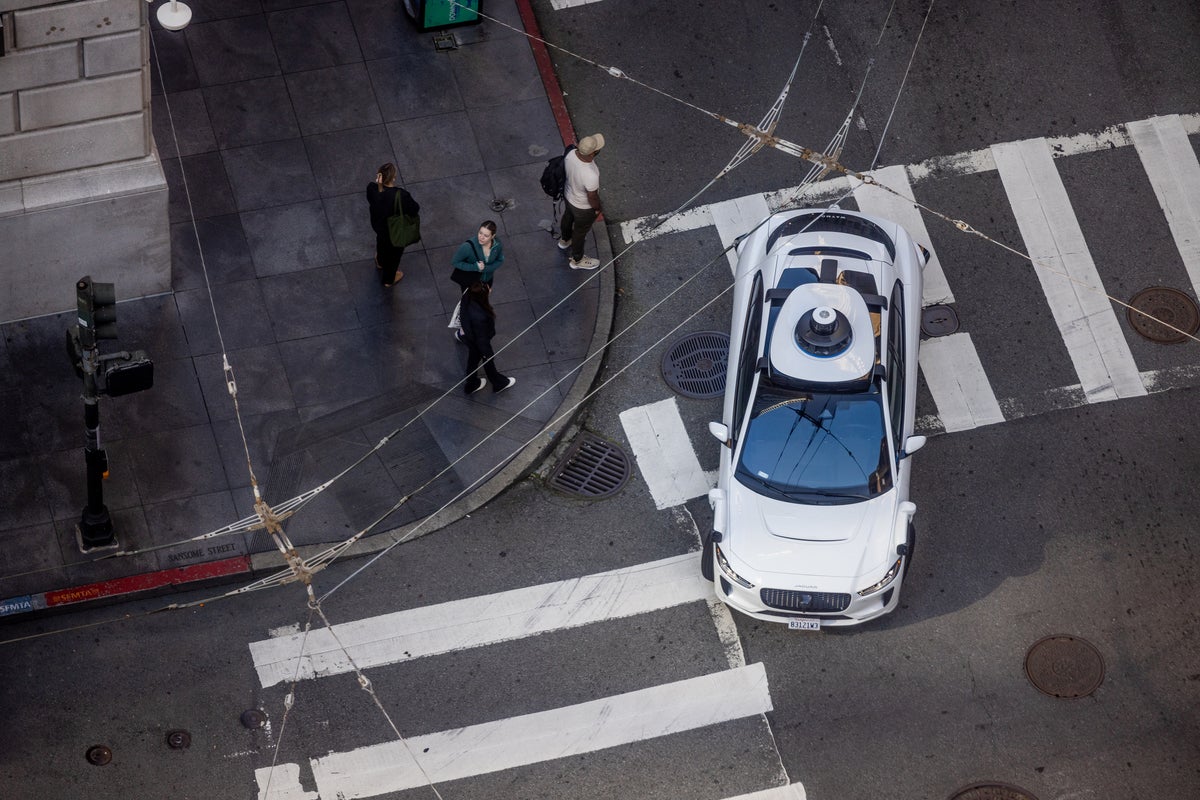
The core premise of every modern oracle story follows a predictable formula. They take an existing, completely mundane macro trend—say, the slow integration of automated infrastructure or routine supply chain friction—and inject a heavy dose of cinematic panic. They tell you that by 2028, artificial intelligence will have completely replaced human agency, rendering your career, your savings, and your morning commute obsolete.
It sounds thrilling. It makes for great YouTube thumbnails. It is also fundamentally illiterate.
Technology does not arrive overnight via a lightning strike from the future. It creeps in through procurement cycles, regulatory compliance reviews, and capital expenditure budgets that move at the speed of a glacier. If you think a sovereign AI will take over financial markets by Tuesday afternoon in 2028, you have never tried to migrate a legacy banking database running on COBOL from 1983.
The lazy consensus relies on technological determinism. It assumes that because a tool can be built, it will instantly dominate every corner of society without friction, cost, or human resistance. That is not how history works. That is not how physics works. And frankly, that is not how corporate bureaucracy works.
The Actual Metrics Nobody Wants to Look At
If you want to know what the world looks like in 2028, put down the science fiction paperbacks and open up a central bank liquidity report.
The real bottlenecks of our decade are not cinematic sci-fi dilemmas. They are deeply unsexy constraints:
- Copper and lithium supply deficits.
- Basel III capital requirements for commercial lenders.
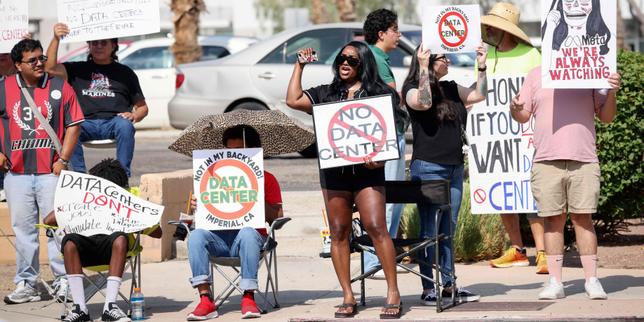
- Electrical grid capacity limits that make data center expansion look like a pipe dream.
- Demographic cliffs in East Asia and Southern Europe.
When internet soothsayers talk about a 2028 singularity, they ignore the fact that massive server farms require steady-state baseload power that wind and solar cannot reliably supply without storage infrastructure we are decades away from scaling efficiently.
I have sat in boardrooms where executives panic over a three percent shift in cloud hosting costs. The idea that these same organizations will seamlessly integrate self-aware automation engines by 2028 without hitting a wall of legal liability, insurance refusal, and sheer operational incompetence is laughable.
Let us define terms clearly. True innovation is incremental, messy, and constrained by physical reality. The hype cycle is instantaneous, clean, and divorced from reality. When a headline promises a earth-shattering shockwave from the future, what you are actually reading is a marketing pitch wrapped in a bedsheet ghost costume.
The Counter-Intuitive Truth About 2028
Here is the prediction you will not see in viral TikTok clips: 2028 is going to be remarkably, boringly human.
Instead of total societal collapse or a utopian techno-state, we are heading straight into a period of extreme institutional friction. The systems we rely on will not break with a dramatic cinematic bang; they will calcify. They will become slower, more litigious, and more heavily guarded by legacy gatekeepers who know how to protect their turf.
Imagine a scenario where generative models hit a wall of diminishing returns because they have consumed their own synthetic training data, forcing a brutal return to proprietary, human-verified archives. That is not a Hollywood script. That is a mathematically probable outcome currently keeping chief technology officers awake at night.
The real danger of the 2045 time traveler myth is that it encourages paralysis. If you believe the world is destined for a radical, pre-written reboot in 2028, why bother fixing your balance sheet? Why upskill? Why build resilient supply chains or invest in hard assets? You sit back, grab your popcorn, and wait for the prophecy to fulfill itself.
That mindset is a wealth killer.
Stop Waiting for the Singularity
The winners of the late 2020s will not be the people who guessed the correct sci-fi narrative. They will be the operators who mastered boring execution while everyone else was distracted by ghosts.
Look at the companies currently burning cash on speculative infrastructure without a clear unit economic model. I have watched brilliant engineering teams implode because they optimized for scale before validating demand. The market eventually comes collecting, and it does not accept payment in futuristic predictions.
If you want an edge, ignore the soothsayers. Look at regulatory filings. Track energy consumption per capita. Analyze where capital is actually flowing versus where the press releases claim it is going.
The future is not being written by time travelers. It is being forged by accountants, regulators, and tired engineers who know that every single automation breakthrough requires three more people to maintain it.
Stop looking for signs from 2045. Start balancing your books for tomorrow morning.